

Emerald Pages
◆
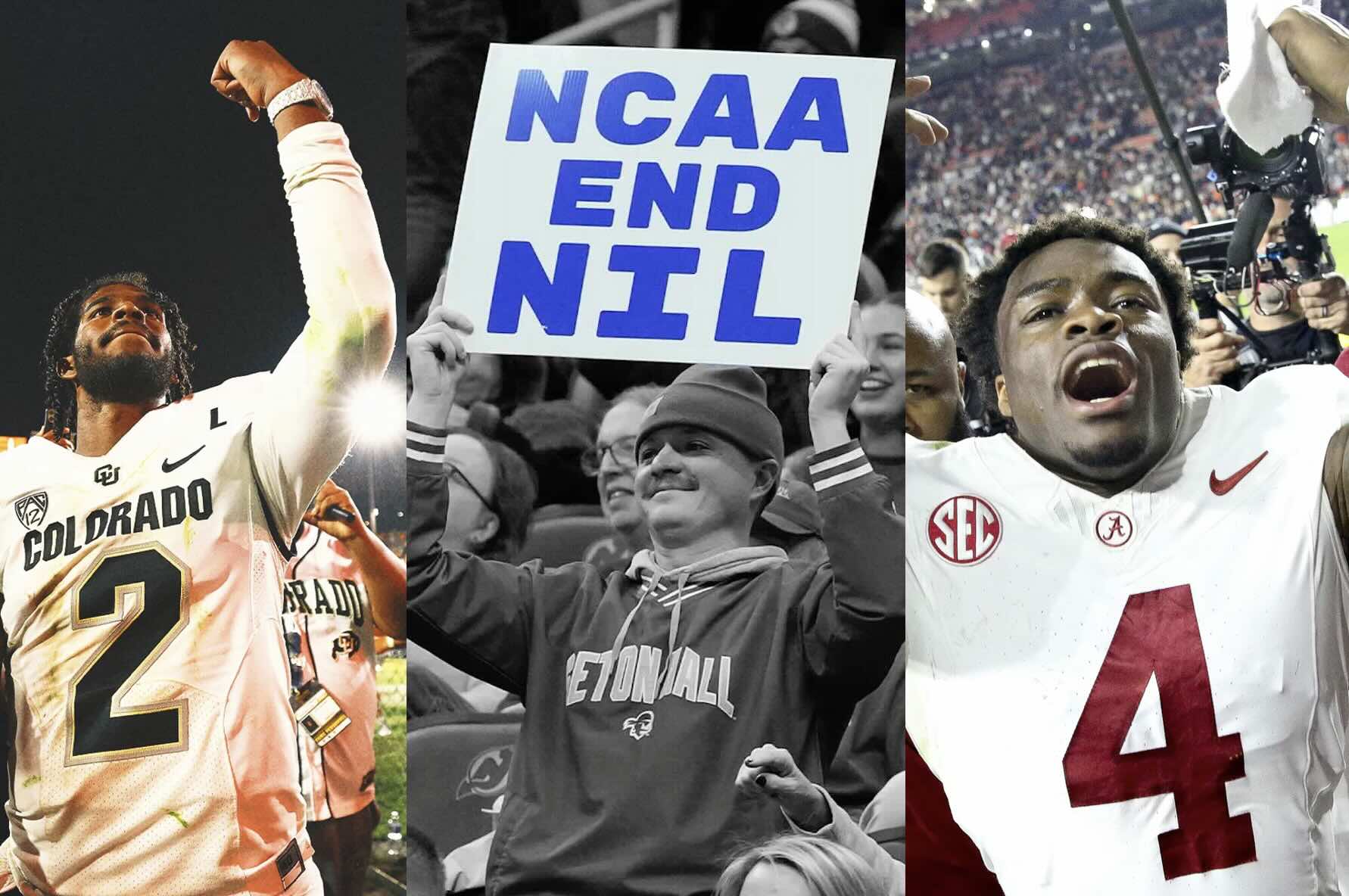
Photo: Emerald Book Image
The NCAA spent five years and millions of dollars lobbying Congress for a single prize: the legal power to cap what college athletes can earn. On September 28, 2026, it got its wish. The U.S. Senate passed the Protect College Sports Act in an overwhelming 77-22 vote, a bipartisan bill led by Senators Ted Cruz and Maria Cantwell that grants the NCAA a limited antitrust exemption—the legal shield it needed to enforce spending limits without facing constant lawsuits.
But the bill does more than stabilize a "chaotic" system. It codifies a fundamental double standard into federal law: universities can earn billions from an athlete's name, image, and likeness, but the athlete's own ability to profit from that same identity is now tightly regulated and capped. Under the legislation, every school faces a hard institutional spending limit of roughly $48.8 million for all sports combined. Third-party endorsement deals over $600 must be reported to a centralized database and can be reviewed to ensure they represent "fair market value"—a provision designed to block booster-funded collectives from using NIL deals as disguised recruitment salaries.
The NCAA's lobbying campaign was calculated and relentless. After the Supreme Court's 2021 Alston ruling stripped the association of its ability to restrict athlete benefits without violating antitrust law, the NCAA found itself trapped in what Senator Cruz called "endless legal chaos." Every attempt to enforce a rule—whether capping benefits or penalizing tampering—triggered immediate lawsuits. The solution was federal intervention. By securing a limited antitrust exemption, the NCAA gained the legal authority to enforce spending caps, transfer limits, and eligibility rules without fear of courtroom battles.
The Financial Architecture of Control
The bill's financial mechanics reveal how effectively the NCAA lobbied to limit athlete earning power. The $48.8 million institutional cap is divided into three strict buckets: $21.6 million for direct revenue sharing, $22.5 million for a "retention fund" to discourage transfers, and $5 million fenced off exclusively for women's and Olympic sports. At a powerhouse school like Ohio State or Texas, which generate $255 million and $332 million annually respectively, this cap represents a fraction of total athletic revenue. If a school pays its starting quarterback $4 million from the pool, it consumes a massive share of the institutional limit, leaving little for the other 85 football players or any other sport.
The NCAA also successfully closed the loophole that allowed elite athletes to maximize their open-market worth. Third-party NIL deals with "associated entities"—including wealthy booster collectives—are now subject to review. If the NCAA deems a deal above fair market value, it can block or slash the payout. This provision directly targets the NIL collectives that emerged after 2021, when booster-funded groups began offering millions to high school recruits in unregulated bidding wars.
- The Institutional Cap: $48.8 million total per school for all sports, divided into revenue sharing ($21.6M), retention fund ($22.5M), and women's/Olympic sports ($5M).
- The NIL Review: Every endorsement deal over $600 must be reported and can be blocked if deemed above "fair market value."
- The Transfer Restriction: Athletes get one free transfer; a second requires sitting out a full season.
- The Agent Fee Cap: A strict 5% federal cap on agent endorsement contract fees.
- The Antitrust Shield: The NCAA and conferences gain limited immunity from antitrust lawsuits to enforce these rules.
The double standard is stark. A university can plaster a star player's face on a 100,000-seat stadium billboard, sell thousands of jerseys featuring their likeness, use their highlight reels to secure a $100+ million annual TV broadcast contract, and sell premium luxury suites using their star power. The school keeps 100% of that revenue. But if that same player tries to sign a major endorsement deal with a local auto group or a national brand, the NCAA can demand to see the contract, review it, and unilaterally block or slash the payout if it exceeds what the association deems fair market value.
The "Amateur" Label as a Legal Shield
The word "amateur" has become a convenient, multi-billion-dollar legal fiction. While a philosophy club doesn't fill 100,000-seat stadiums or sell national TV rights, college football and basketball absolutely do. By codifying the "amateur" and "student-athlete" definitions into federal law, the NCAA successfully blocked athletes from ever gaining standard American worker rights. If college athletes were legally recognized as employees, they could unionize, collectively bargain, strike, and demand a 50/50 revenue split of the billions in TV contracts—just like players in the NFL and NBA.
Instead, the bill creates a system where the institution retains ownership of the highly lucrative broadcast and corporate rights, while the athlete's personal earning potential is kept on a tight leash. This is precisely why player advocates and civil rights leaders are so deeply opposed. NAACP President Derrick Johnson released a statement on September 29, 2026, saying, "Sharecropping is over, and this bill will only serve to harm student-athletes." Senator Cory Booker, a former Stanford football player, called the bill "unjust" and a direct exploitation of young athletes, particularly Black athletes who disproportionately generate the revenue in football and basketball.
The bill's defenders argue that without these caps, a handful of ultra-wealthy schools would buy up all the talent, destroying competitive balance and bankrupting smaller athletic departments. They note that the legislation forces universities to cover long-term medical costs for athletic injuries, preserves scholarships for up to 10 years so athletes can finish their degrees, and protects funding for non-revenue and women's Olympic sports. These are real concessions—but they are minor compared to the massive financial windfall the schools protected for themselves.
The Protect College Sports Act now heads to the House of Representatives, where its ultimate passage remains uncertain due to divided opinions and the upcoming midterm congressional recess. A growing group of lawmakers is arguing that the restriction on athlete earnings violates basic American capitalism. In any other industry—whether you are an actor, a musician, an influencer, or a software engineer—your name, image, and likeness belong entirely to you, and you are free to sell them to the highest bidder. By stripping college athletes of that fundamental right, Congress has carved out a unique legal exception that ensures the money keeps flowing upward to athletic directors, coaches, and university conference executives.
For the elite players who draw the television ratings and fill the stadiums, the message is clear: they are the ones generating the billions, yet they are barred by federal law from capturing their true market value. The NCAA lobbied for this outcome. The universities backed it. And now, the athletes are left to wonder why their own names are worth so much to everyone but themselves.
No Ads. By Us. For Us.
This article was made possible by readers like you. We hope it inspired you to support Emerald Book, so we can continue producing content like this.
We will never show you ads, sell your data, or require a subscription to consume our content. Your gift helps us keep the truth accessible.
Click the Support button to give a gift of any amount today.
Thank you for making this work possible.