

Emerald Pages
◆
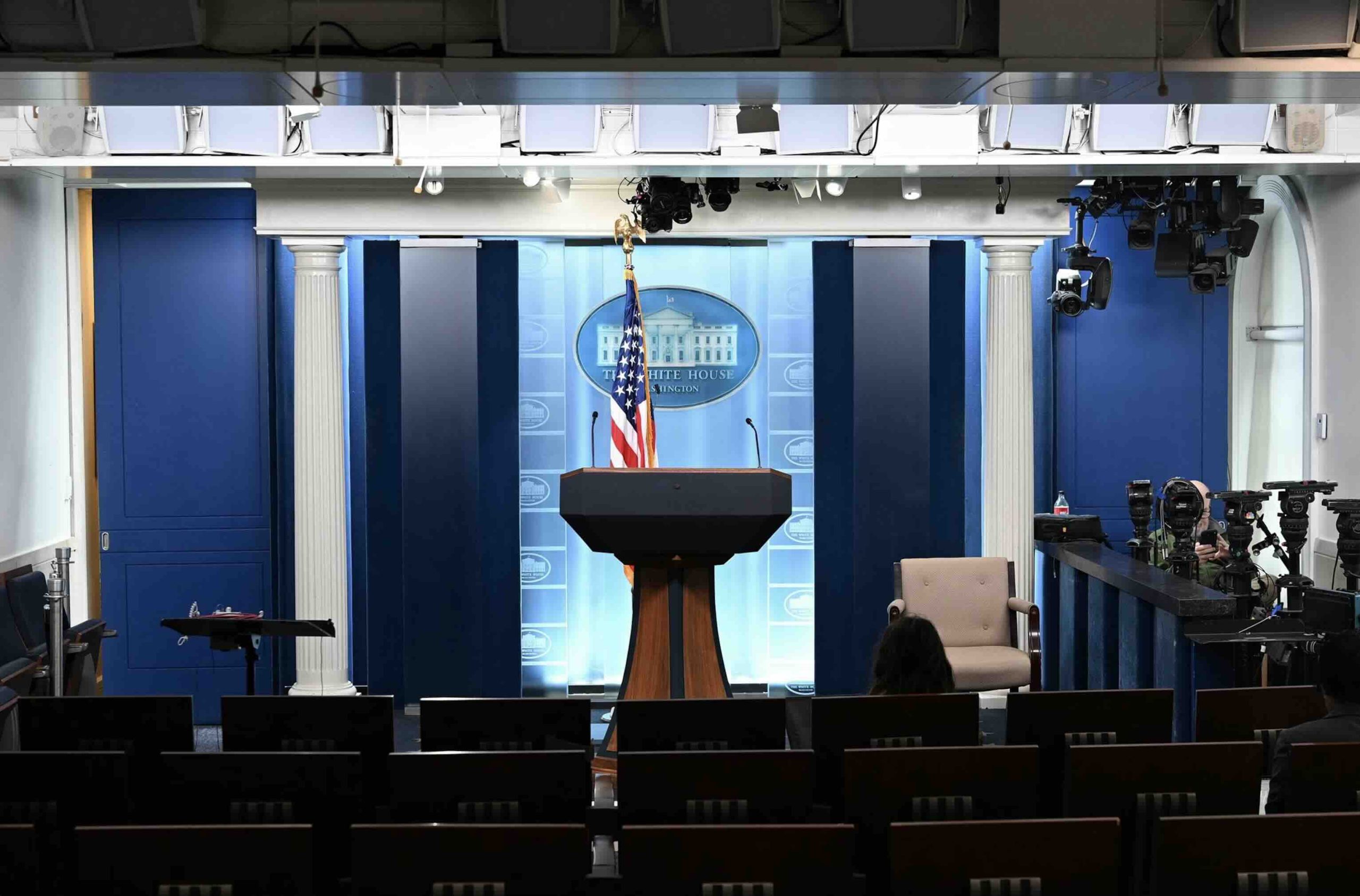
The White House briefing room | Photo: Getty Images
President Donald Trump's decision to ban CNN, MS NOW, and Politico from the White House has set the stage for what will be another stinging defeat for the administration—the latest in a long line of failed attempts to punish journalists for unfavorable coverage. But this time, the legal ground is even shakier, the backlash is broader, and the president's own words are undermining his lawyers' best defense.
On Friday, September 18, 2026, Trump announced via Truth Social that the three outlets were barred "effective immediately," accusing them of reporting "fiction and lies" and spreading "fake news." Over the weekend, the Secret Service deactivated the hard passes of White House correspondents from these companies and confiscated them upon arrival. The move triggered an immediate legal firestorm.
In solidarity, major U.S. television networks—including Fox News—temporarily suspended their pooled coverage of the president's daily activities. CNN, MS NOW, and Politico filed a joint federal lawsuit against the administration on First Amendment grounds. A federal judge is currently hearing arguments on whether to issue an emergency order to temporarily lift the ban while the broader lawsuit plays out.
Why the White House Will Lose—Again
The administration has never won a definitive legal case allowing it to permanently strip a journalist's White House credentials or completely ban a news organization. Every major case addressing a complete ban has ended in defeat because courts maintain that the government cannot weaponize press credentials to punish viewpoints it dislikes. This case is no different.
- Viewpoint Discrimination: While Department of Justice lawyers argue the ban is about "national security leaks," Trump's own Truth Social posts explicitly state he banned the outlets because of "negative news" and "fiction and lies." Courts view this as clear, unconstitutional viewpoint discrimination.
- Lack of Due Process: Under the Fifth Amendment, the government cannot strip a professional credential without fair warning and an official appeals process. The White House deactivated the hard passes over the weekend without any formal proceedings.
- Ironclad Precedent: For over 50 years, since Sherrill v. Knight (1977), federal courts have consistently ruled that while the White House does not have to let everyone in, it cannot kick out specific, established news organizations just because the President dislikes their coverage.
- Trump's Own Words: The president has publicly admitted he expects to lose this initial round, posting on Truth Social that he is bracing for a loss and plans to appeal.
The case is before U.S. District Judge Timothy Kelly—the same Trump-appointed judge who ruled against Trump in 2018 when the White House tried to ban CNN's Jim Acosta. In that case, Judge Kelly ordered the immediate restoration of Acosta's credentials, stating the White House violated Fifth Amendment due process rights by yanking the pass arbitrarily without a fair warning or appeal process.
The One Narrow Exception—And Why It Doesn't Apply
The administration's only legal victory in this area came in 2025, when a federal appeals court allowed the White House to bar Associated Press reporters from highly restricted spaces like the Oval Office and Air Force One after the AP refused to update its stylebook to use the name "Gulf of America." But that ruling was narrow: the AP was still allowed on White House grounds and retained its daily briefing credentials.
The DOJ is now trying to stretch that minor, space-saving administrative rule to apply to the entire White House complex. They argue that the entire compound is a "nonpublic forum" and that the President should have ultimate authority to block outlets based on their viewpoints. This argument is doomed because the current action completely stripped the hard passes from every single reporter at three major networks—a total ban, not a partial restriction.
The DOJ's National Security Defense Is Falling Apart
In court filings on September 22 and 23, the Justice Department argued that "access to the White House is a privilege, not a right," and claimed the ban was necessary for national security because the outlets allegedly trafficked in falsehoods and leaked sensitive information. The DOJ cited specific reports: CNN allegedly disclosed top-secret structural details of the White House East Wing bunker; Politico was accused of publishing sensitive documents on Secret Service security improvements; and MS NOW was cited for a story involving leaked claims about internal deliberations during active geopolitical tensions with Iran.
The targeted media organizations have rejected these claims, arguing they were manufactured retroactively to justify unconstitutional viewpoint discrimination. The government cannot legally punish someone first and then invent a retroactive justification to satisfy the courts later. The DOJ only produced these specific national security allegations after the media companies filed their lawsuit—a timing problem that undermines their credibility.
What Happens Next
Judge Kelly is expected to issue a ruling on the emergency restraining order very soon. If he rules against the White House, the Secret Service will be forced to immediately return the press passes to CNN, MS NOW, and Politico while the larger lawsuit continues.
Because federal courts have repeatedly ruled that once the government opens the White House to the press corps, it cannot boot specific outlets just because it dislikes their reporting, the current ban rests on incredibly shaky legal ground. The three banned networks are actively using these past legal losses as their primary evidence to win an emergency restraining order today.
- 1977 Precedent: Sherrill v. Knight established that the White House cannot deny or revoke a journalist's pass based on arbitrary reasons or because the administration dislikes their reporting.
- 2018 Acosta Case: Judge Timothy Kelly ruled against Trump, ordering the restoration of Jim Acosta's credentials and stating the White House violated Fifth Amendment due process rights.
- 2019 Karem Case: A federal appeals court ruled against the White House, reaffirming that the administration cannot pull passes without clear, fair notice and a formal process.
- 2025 AP Case: The only narrow win for the administration, but it applied only to limited spaces like Air Force One, not the entire White House complex.
The administration's attempt to control the narrative through its new "Trump TV" streaming channel may prove to be a short-lived consolation prize in a battle it is almost certain to lose. The legal walls are closing in, and the precedent is clear: the President cannot punish journalists for doing their jobs.
No Ads. By Us. For Us.
This article was made possible by readers like you. We hope it inspired you to support Emerald Book, so we can continue producing content like this.
We will never show you ads, sell your data, or require a subscription to consume our content. Your gift helps us keep the truth accessible.
Click the Support button to give a gift of any amount today.
Thank you for making this work possible.