

Emerald Pages
◆
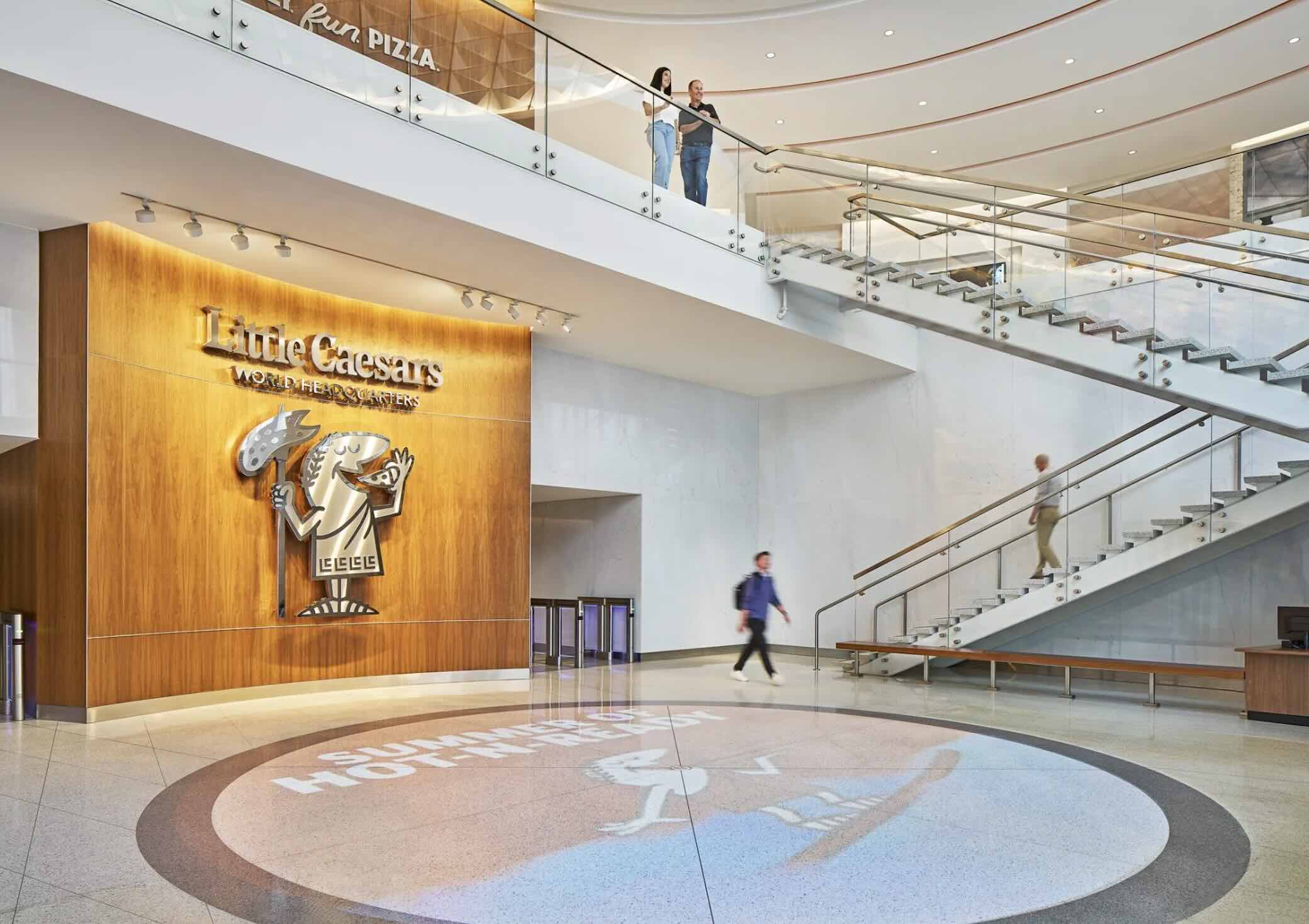
Photo: Brinker
In 1997, Little Caesars introduced a concept that would fundamentally change the fast-food pizza industry: a large, one-topping pepperoni pizza available for $5 with no pre-order required. The "Hot-N-Ready" model was simple—walk in, hand over five dollars, walk out with a hot pizza. It was an instant success. For the next 25 years, that price point remained frozen in time while inflation eroded the value of nearly everything else in the American economy. How did a pizza chain defy basic economic gravity for a quarter-century?
The answer is not a secret recipe or some magical ingredient supplier. It is boring economics. Little Caesars operates less like a traditional restaurant and more like an ultra-optimized manufacturing plant. The company stripped away every ounce of operational friction, eliminated middlemen at every level, and built a closed-loop business model that competitors simply cannot replicate.
In January 2022, the $5 price point finally cracked. Rising labor and commodity costs—specifically a massive spike in pepperoni prices—forced the chain to raise the price by 11% to $5.55. To soften the blow, they upgraded the recipe with 33% more pepperoni. Today, many franchises charge $7 or more. But the fact that the price held for 25 years is a masterclass in industrial-scale efficiency.
The Vertical Integration Moat
Most restaurant chains rely on third-party distributors like Sysco or US Foods to supply their ingredients. These distributors buy from manufacturers, mark up the price, and charge delivery fees. Little Caesars bypasses this entirely through its parent company, Ilitch Holdings, which owns Blue Line Foodservice Distribution. This means corporate buys cheese, flour, and pepperoni in staggering global quantities at massive discounts and ships them directly to franchises at near-cost.
But it goes deeper than just distribution. The company doesn't buy pre-shredded cheese or frozen dough. Instead, stores receive raw flour, yeast, and 40-pound blocks of cheese. Employees make dough from scratch every morning and shred cheese in-store using automated machines. Making these staples in-house costs pennies per pizza compared to buying processed ingredients, which are highly subject to inflation.
Ruthless Real Estate and Labor Efficiency
Traditional restaurants spend a massive percentage of their revenue just keeping the lights on and paying a large staff. Little Caesars stores are famously small, often squeezed into low-rent strip malls. By eliminating dining rooms, tables, and public restrooms, they slash monthly rent and utility overhead.
For decades, the chain completely avoided the massive expense of hiring delivery drivers, paying specialized auto insurance, and managing delivery logistics. Customers came to them. Modern delivery is outsourced entirely to third-party apps like DoorDash. The introduction of the contactless "Pizza Portal" pickup bins means front-of-house employees spend less time taking payments or managing lines, keeping staff requirements exceptionally lean.
- No Dine-In Section: Eliminates dining rooms, tables, and public restrooms, drastically reducing rent and utilities.
- No In-House Delivery Drivers: Avoids the expense of drivers, insurance, and logistics; outsourced to third-party apps.
- Automated Transactions: The Pizza Portal reduces front-of-house staffing needs and streamlines pickup.
The Power of Predictive Volume
A standard pizza place waits for a customer to order, then spends 15 minutes making and baking it. Little Caesars flips the model. Using historical data, stores know exactly how many pizzas will sell at 5:30 PM on a Tuesday versus a Friday night. They continuously pump out standard pepperoni and cheese pizzas on an assembly line, so they are ready the moment a customer walks in.
Because the vast majority of customers grab a standard pie, kitchen staff doesn't waste time reading custom tickets or changing toppings mid-line. High customer volume means ingredients are used immediately, keeping food spoilage and inventory loss near zero. This is the manufacturing plant approach to pizza.
The Loss Leader Strategy
At a 40% ingredient cost, the pizza itself has a razor-thin profit margin. The magic of the business model relies on you not walking out with just a pizza. The cheap pizza is the hook that gets you in the door. Once you are at the register, you are highly likely to add Crazy Bread, Caesar Wings, or a 2-liter soda. These side items carry incredibly low ingredient costs and massive profit margins, effectively subsidizing the low cost of the pizza itself.
A Half-Century of Ownership
The Ilitch family built the foundation in 1971 when Mike Ilitch, frustrated with fluctuating costs and poor quality from outside vendors, bought a local mushroom farm to secure a steady supply. This business, originally called Little Caesars Mushroom Farms, Inc., expanded rapidly and was eventually renamed Blue Line Foodservice Distribution.
In 1982 and 1992, the family bought the Detroit Red Wings and Detroit Tigers, respectively, giving them permanent ownership of major arena concession rights and multi-million dollar stadium marketing platforms. By 1999, the pizza chain, trucking network, sports teams, and internal marketing divisions were consolidated under a single private holding company called Ilitch Holdings.
Because they have run this exact model for over 50 years, they have achieved three massive structural advantages: fully paid-off infrastructure, 50 years of deep institutional data on supply chain logistics, and ultimate leverage over franchises, who operate in total lockstep with corporate systems.
The $5 Hot-N-Ready was never a miracle. It was the inevitable result of a 50-year-old logistics and manufacturing machine that just happens to produce pizza.
No Ads. By Us. For Us.
This article was made possible by readers like you. We hope it inspired you to support Emerald Book, so we can continue producing content like this.
We will never show you ads, sell your data, or require a subscription to consume our content. Your gift helps us keep the truth accessible.
Click the Support button to give a gift of any amount today.
Thank you for making this work possible.