

Emerald Pages
◆
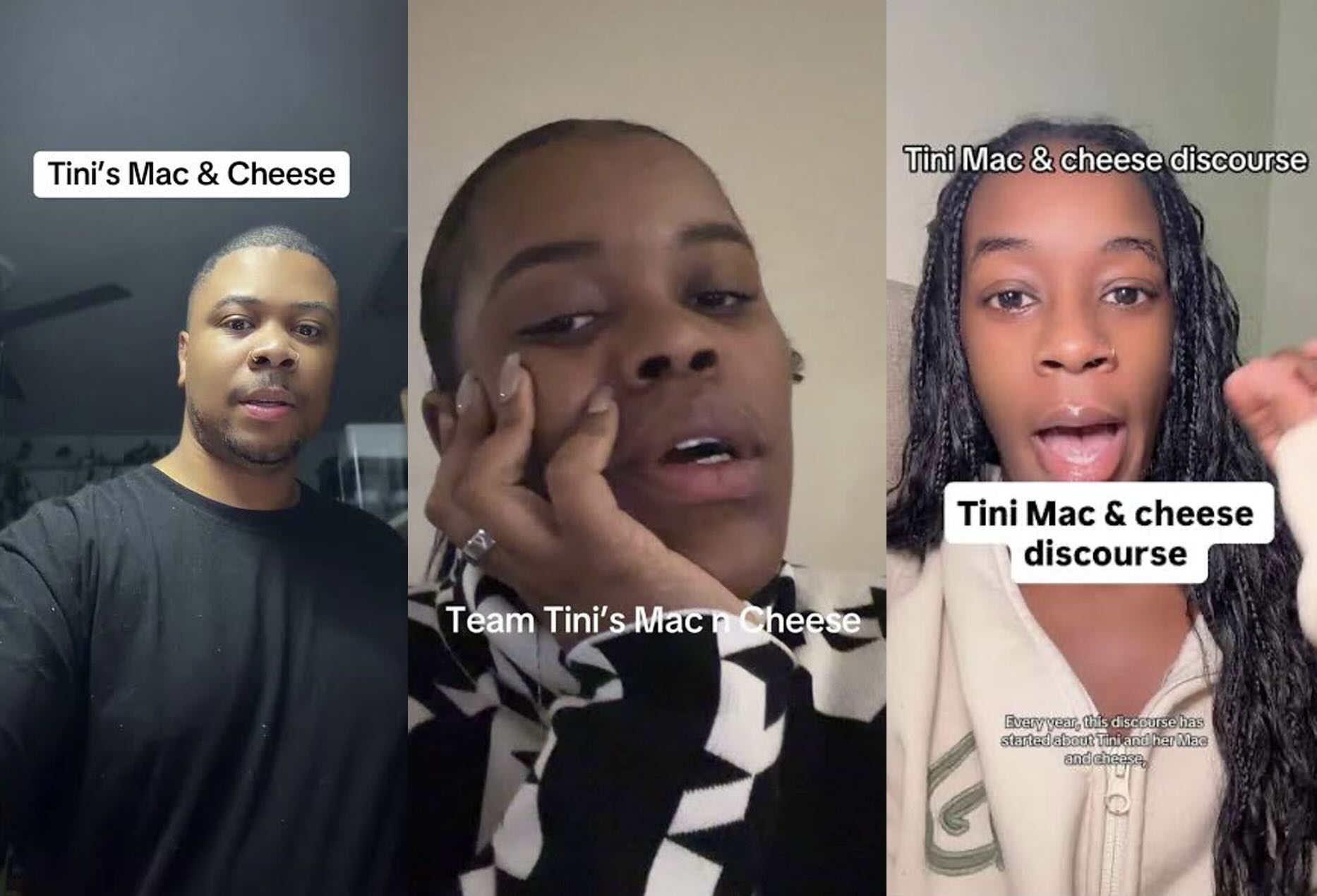
Photo: TikTok
For years, the story of Black people and social media was a story of displacement. We built the culture on Myspace, Tumblr, BlackPlanet, and early Twitter. We made the dances, the slang, the recipes, the viral moments. And then we watched the platforms gentrify—sanitize, commercialize, and push us to the margins. Scholars like Jessa Lingel called it what it was: digital gentrification, the same pattern of cultural extraction and community erasure that happens when tech money floods a working-class neighborhood.
But that was the old story. What's happening now is different. The neighborhood hasn't just been gentrified—it's been weaponized. In the current era, Black people aren't being pushed out of social media. We're being kept in—but only on the platform's terms. And those terms are simple: defend white comfort, attack your own people, and the algorithm will pay you.
The New Economy: Algorithmic Coonery
The term "coonery" is blunt, but it's accurate. Across TikTok, X, and Threads, a visible surge of Black creators has built massive followings by attacking pro-Black advocates, downplaying racism, and rushing to defend white creators from "unfair" criticism. This isn't a coincidence. It's a business model.
The mechanics are straightforward. Contrarianism pays better than consensus. Algorithms prioritize high-friction debate and outrage. When a Black user publicly defends a white creator or dismisses a claim of racism, it triggers massive quote-tweets, arguments, and shares—pushing that post to the top of millions of feeds. Creator monetization programs pay directly for impressions. Black creators who adopt contrarian stances quickly discover that defending white figures unlocks massive audiences—and financial backing—from white viewers seeking validation.
Meanwhile, platforms frequently flag or suppress posts by Black users discussing systemic racism as "hate speech" or "bullying," while boosting posts that argue racism is exaggerated. This creates an illusion that most Black users hold assimilationist views—because those are the only perspectives allowed to go viral. The result is a system where the loudest Black voices in your feed are often the ones being paid to tell you racism isn't real.
The Mac & Cheese Wars: A Case Study
Nothing exemplifies this dynamic more than the Thanksgiving 2026 mac and cheese controversy. It started as a legitimate critique. Black TikTok creator Danielle (@itsdanielle2u) called out white chef Tineke "Tini" Younger for profiting off a culinary tradition rooted in Black Southern cooking—a tradition historians trace back to enslaved chef James Hemings. The critique wasn't that white people can't make pasta and cheese. It was that algorithms and brands routinely crown a white influencer as the "blueprint" for a Black culinary tradition while Black creators making the exact same dish get overlooked.
Within days, Danielle was mass-reported and forced offline. She locked her account and went private. Meanwhile, Tini kept her cookbook deals, brand sponsorships, and massive platform. Who drove the pile-on? Mostly other Black creators. Viral TikTok stitchers—like @mr.nailssss—posted videos arguing "She's a chef. I thought that's what chefs are supposed to do," framing Danielle as bitter and jealous. Black Threads users jumped into recipe threads to scold other Black people for "gatekeeping," earning applause from white onlookers who called the gatekeepers "mean." Drama pages clipped Danielle's angriest responses, stripped out her broader points about food media monetization, and framed her as an unhinged bully attacking an "unproblematic" white creator.
The algorithm rewarded every one of these moves. The contrarians got millions of views. Danielle got silenced.
The Demographics of the Algorithm
Why does this happen? The answer is built into the ad market math. White users make up the largest share of U.S. social media audiences and command the highest ad-spend valuations. When a Black creator attacks pro-Black rhetoric, they break out of the roughly 12–14% demographic ceiling Black content naturally hits and capture crossover traffic from the majority audience. The algorithm reads that engagement as "broad appeal" and pushes the video ten times further.
Pro-Black content, meanwhile, gets categorized as "niche," "political," or "racial discourse"—tags that quietly strip it from For You Pages and Explore feeds. A creator who mocks pro-Black advocates avoids those trigger words entirely, sailing through moderation filters with full algorithmic boost. The result is a volume vs. visibility illusion. Five hundred pro-Black creators explaining culinary history each get 800 views. Fifteen contrarian creators attacking them each get 2 million. To the casual scroller—and to the brands watching from the sidelines—it looks like a mass movement. It's not. It's a feed mechanic.
The Dismantled Guardrails
This shift didn't happen in a vacuum. Following the 2024 election, major platforms systematically dismantled the already-flimsy guardrails that protected marginalized users. In January 2025, Meta ended its third-party fact-checking program and lifted restrictions on denigrating or harassing marginalized groups, framing the changes as a return to "free expression." X had already gutted its trust and safety teams. Automated moderation for racial harassment dropped sharply.
But the enforcement remained asymmetric. Research published in 2026 found that automated moderation systems still suspend Black creators at 50% higher rates than white peers. Words centered on Black liberation or systemic racism remain heavily flagged as "divisive," suppressing pro-Black videos before they can reach an audience. Meanwhile, mass-reporting campaigns—coordinated efforts to flag Black creators out of existence—work exactly as designed. Danielle's case wasn't an anomaly. It was the system functioning as intended.
Manufactured Consensus and Digital Blackface
The illusion of mass Black conservatism isn't just about algorithms boosting contrarians. It's also about who's actually behind the accounts. Researchers have documented a sharp rise in AI-generated videos and "digital blackface" accounts—often operated by non-Black or politically motivated networks—using Black avatars and AAVE to attack pro-Black talking points. These synthetic voices flood For You pages because they generate massive engagement without triggering the moderation filters that flag actual Black users discussing racism.
Outrage-farming aggregator pages—like Dom Lucre, End Wokeness, and similar viral X/Instagram accounts—systematically search TikTok and YouTube for videos of Black people attacking pro-Black creators, strip away context, and repost them with captions like "More Black people are waking up" or "She completely destroyed the woke narrative." These accounts capture tens of millions of views—and the bulk of the platform ad payouts—while the original creator often gets only a fraction of the financial reward. The cycle is self-reinforcing: the algorithm rewards the aggregators, the aggregators amplify the contrarians, and the contrarians get paid to keep the loop going.
The Complete Cycle of Algorithmic Gentrification
- Extraction Without Ownership. Black creators still generate the slang, recipes, dances, and cultural moments that keep platforms relevant, while algorithms and brands route the financial payouts and mainstream credit to non-Black creators.
- Rewarding Internal Policing. Instead of platforms having to censor pro-Black voices directly, the recommendation engine incentivizes a small fraction of Black creators with viral reach and ad-revenue checks to attack their own community's critiques in public.
- Diluting Collective Power. By burying thousands of pro-Black educators under an algorithmic glass ceiling while blasting contrarian drama to millions, the feed fractures solidarity and exhausts people out of organizing or speaking up.
- Manufactured Majority Consent. To outside observers—and even to casual Black scrollers—the constant stream of viral "anti-woke" clips and defensive comment sections creates the illusion that the community has abandoned its own advocacy, even when that consensus is entirely engineered by feed mechanics.
Because the business model of ad-driven platforms depends on maximizing majority comfort and outrage clicks, mainstream feeds are unlikely to reform themselves. The gentrification is complete—not because Black people have been pushed out, but because the terms of staying have been rewritten. Preserving authentic pro-Black voices increasingly depends on treating public social media purely as a storefront—while moving real community building, cultural archiving, and financial support into direct, off-algorithm spaces where the feed can't monetize our exhaustion or pay us to police each other.
The neighborhood isn't ours anymore. But the culture still is. The question is whether we're willing to stop performing for the algorithm long enough to remember that.
No Ads. By Us. For Us.
This article was made possible by readers like you. We hope it inspired you to support Emerald Book, so we can continue producing content like this.
We will never show you ads, sell your data, or require a subscription to consume our content. Your gift helps us keep the truth accessible.
Click the Support button to give a gift of any amount today.
Thank you for making this work possible.