

Emerald Pages
◆
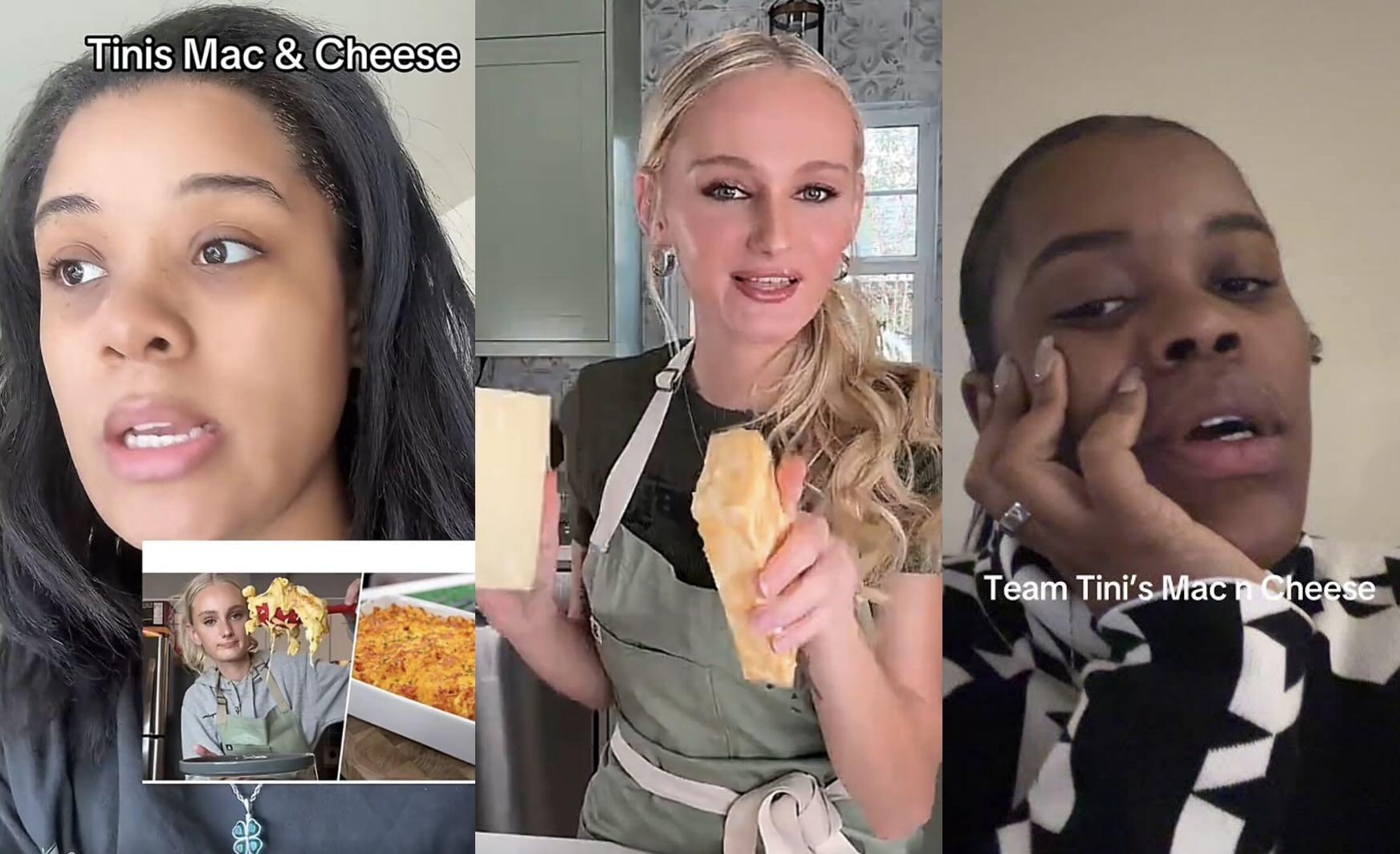
Photo: TikTok
When Danielle To You (@itsdanielle2u) switched her account to private in late November 2026, she didn't make a farewell video. She didn't post a statement explaining her decision. She simply disappeared—her audience of millions left staring at a locked profile, her viral commentary videos rendered invisible to anyone who hadn't already followed her.
The official reason, as far as anyone can tell, was the backlash. Danielle had posted videos criticizing chef Tineke "Tini" Younger's viral Thanksgiving mac and cheese recipe, arguing that white influencers routinely profit from Black culinary traditions without credit. Tini responded emotionally. The internet exploded. And within days, Danielle was facing a coordinated wave of hostility from multiple directions—including, notably, from other Black creators and viewers who publicly condemned her.
But the story isn't really about mac and cheese. It's about what happens when a platform designed for connection becomes a machine for punishment. It's about how Black TikTok—once a thriving hub of cultural pride, collective advocacy, and unfiltered community—has been transformed into a space where speaking too loudly about systemic injustice carries immediate personal and financial costs, while soothing mainstream discomfort is rewarded with algorithmic boosts and brand deals.
Danielle's retreat is not an isolated incident. It is a signal—perhaps the clearest one yet—that the era of pro-Black solidarity on TikTok is over.
The Original Promise of Black TikTok
It's worth remembering what Black TikTok used to be. In 2020 and 2021, the platform functioned as a genuine force for cultural visibility and collective power. The #BlackTikTokStrike saw creators organize against stolen choreography and demand credit for their labor. Black-owned businesses, mutual aid funds, and unfiltered conversations about anti-Black racism flourished in niches that felt protected—not by platform policy, but by the organic clustering of shared cultural context.
Before TikTok's algorithm became heavily commercialized, its recommendation engine grouped users by shared references, humor, and lived experience. Black creators could speak directly to each other without their videos immediately landing on hostile mainstream feeds. The stakes were lower. Direct creator monetization programs didn't yet exist. Fewer people were chasing outrage-driven payouts. The space felt authentic.
That space is gone.
What Replaced It: A Machine for Mainstream Comfort
The transformation didn't happen overnight, and it wasn't accidental. Several overlapping forces—algorithmic, financial, and structural—converged to turn Black TikTok from a community into a spectacle.
- Context collapse. As TikTok's user base exploded, the "For You" page began pushing intracommunity discussions directly into general audiences. Conversations meant for Black spaces suddenly attracted waves of outside hostility, bad-faith arguments, and mass-reporting campaigns. Nuanced critique couldn't stay inside the community—it became public entertainment.
- Algorithmic amplification of internal division. Videos where Black creators publicly criticize, mock, or demean other Black people consistently receive higher algorithmic boosts than content promoting unity or joy. These videos draw engagement from both frustrated community members and non-Black viewers looking to confirm existing biases. The algorithm doesn't care about solidarity—it cares about watch time.
- Monetized rage-bait. TikTok's Creator Rewards Program pays out based on watch time and engagement on videos over one minute long. This financial model has fueled a surge in content that relies on negative stereotypes, gender wars, and degrading commentary—particularly about Black women—because outrage keeps viewers watching and arguing in the comments.
- Brand safety filters and the "palatability" premium. Major advertisers use keyword blocklists that automatically demonetize videos touching on race, cultural appropriation, or social justice. Creators who soften their message or criticize other Black people are pushed to wider feeds and rewarded with sponsorships. Unapologetic pro-Blackness is treated as a financial liability.
The result is a platform where defending Black cultural ownership carries immediate personal and financial penalties—doxxing, lost brand deals, relentless comment brigading—while creators who soothe mainstream discomfort are rewarded with rapid follower growth, algorithmic boosts, and positive media coverage.
The Danielle To You Case: A Case Study in Structural Failure
Danielle's story exemplifies every one of these dynamics at once.
Her original critique was rooted in a legitimate argument: baked mac and cheese is rooted in Black American culinary history, tracing back to figures like enslaved chef James Hemings, and white influencers routinely receive disproportionate viral fame and brand deals for dishes popularized in Black households. Many Black viewers agreed with her core point.
But the discourse didn't stay on the argument. After Tini responded emotionally—focusing on her marriage to a Black man and asking Danielle whether she was married—Danielle posted multiple follow-up videos that brought up Tini's husband, her interracial marriage, and her recent stillbirth. That crossed a line many viewers felt was cruel and unrelated to food. Critics within the community also pointed to Danielle's previous videos, accusing her of making derogatory remarks toward mixed-race and light-skinned Black people.
The backlash became deeply polarized. Some Black viewers supported Danielle's core argument about cultural credit. Others pushed back against her handling of the disagreement—not because they disagreed about cultural appropriation, but because they felt she had crossed ethical lines. And still others argued that Tini never claimed to invent baked mac and cheese, that she is a professionally trained chef sharing her own béchamel-based version, and that Black social media users were largely responsible for making her video go viral in the first place.
What happened next is the structural story. Once Danielle became the target of both mainstream outrage and intracommunity backlash, coordinated mass-reporting kicked in. Because TikTok's moderation relies heavily on automated report volume, targeted creators frequently face shadowbans, video removals, or account warnings—forcing them to go private just to preserve their profile from permanent deletion.
Danielle locked her account. She has not released a public statement explaining why. If she has addressed the decision directly, she has only done so inside her locked TikTok account or via temporary Instagram Stories visible exclusively to her existing followers.
The white creator received sympathy, validation, and continued platform success. The Black woman who raised the alarm was isolated, silenced, and forced behind a private lock.
Why Black Viewers Piled On
The most painful dimension of the Danielle case is the intracommunity dynamic. Why did so many Black creators and viewers publicly condemn her?
Part of it was legitimate accountability. Many Black women explicitly pushed back against the idea that they are obligated to defend another Black woman unconditionally. Their argument was that Danielle crossed serious ethical lines—specifically by mocking someone's pregnancy loss and targeting mixed-race people—and that excusing cruelty in the name of racial solidarity undermines their own credibility. They felt Danielle's approach actively hurt the broader conversation about cultural credit by giving critics an easy reason to dismiss a valid point as mere bitterness or harassment.
But there's a structural layer beneath that legitimate critique. Because Black people are rarely granted individual grace in mainstream spaces, many feel intense pressure to publicly distance themselves from any Black person whose delivery is seen as messy, harsh, or imperfect. Criticizing Danielle publicly became a way for some creators to signal to mainstream audiences that they are "reasonable" and "not like her."
TikTok's monetization and visibility model heavily rewards this behavior. Black creators who step in to defend a white creator or condemn a fellow Black woman get flooded with praise, shares, and algorithmic boosts from general audiences. There is a direct incentive to pile on.
Meanwhile, videos where Black creators publicly criticize, mock, or demean other Black people consistently receive higher algorithmic boosts than content promoting unity or joy. The platform doesn't just allow this dynamic—it profits from it.
The Death of Pro-Black Space
The observation that "Black TikTok is not pro-Black" has become increasingly common among Black users, creators, and media scholars. The vast majority of viral content on Black TikTok centers on trends, comedy, relationships, music, and lifestyle rather than political education or collective empowerment. When serious systemic issues arise, the platform's fast-paced format often reduces them to memes or fleeting drama.
Debates around gender wars, colorism, diaspora tensions, and celebrity gossip regularly dominate the algorithm, fueling internal fracturing rather than collective solidarity. The creators who rise to the top are frequently those whose content is easily digestible for mainstream, non-Black audiences. Unapologetically pro-Black commentary is often suppressed by moderation filters or ignored by sponsors.
To be clear: "Black TikTok" was never a single organization with a unified political mission—it is millions of Black users existing online with diverse views, lifestyles, and priorities. Pockets of pro-Black community still thrive beneath the viral drama: creators promoting Black-owned businesses, financial literacy, Black history, mutual aid, and political organizing. But those videos get fewer mainstream views than controversy. The algorithm doesn't push them to the broader public.
What has shifted is the visible culture of the platform. The version of Black TikTok that felt like a genuine hub for Black joy, cultural pride, and collective advocacy—the version that organized the #BlackTikTokStrike, that elevated Black-owned businesses during 2020, that made space for unfiltered discussions about anti-Black racism—has been eroded by corporate monetization, algorithmic context collapse, and outrage incentives.
Many of the original Black educators, activists, and cultural commentators who built that early pro-Black space have left the app, locked their accounts, or pivoted to private platforms like Substack and Patreon after years of uncompensated labor, stolen trends, and unchecked harassment. Danielle To You is just the latest.
The Gentrification of Online Platforms
When viewers watch a creator like Danielle get overwhelmed from multiple sides and lock her account, it sends a message across the platform. Other Black creators see the personal toll and choose to stay silent, soften their critiques, or leave the app altogether—further tilting the visible culture of the platform toward compliance and comfort.
This is the structural outcome that media scholars describe as the "gentrification of online platforms." Early adopters from marginalized communities build the cultural vibrancy that makes a platform attractive. Then corporate interests move in, prioritize mainstream palatability, and push the original community to the margins. The creators who remain are those willing to conform—or those who never challenged the system in the first place.
Danielle's silence is telling. She didn't explain her decision because she doesn't owe anyone an explanation. She went private to survive. And in doing so, she became a symbol of what Black TikTok has become: a space where speaking up about cultural theft carries immediate costs, where the algorithm rewards piling on, and where protecting mainstream comfort takes priority over protecting Black voices.
No Ads. By Us. For Us.
This article was made possible by readers like you. We hope it inspired you to support Emerald Book, so we can continue producing content like this.
We will never show you ads, sell your data, or require a subscription to consume our content. Your gift helps us keep the truth accessible.
Click the Support button to give a gift of any amount today.
Thank you for making this work possible.