

Emerald Pages
◆
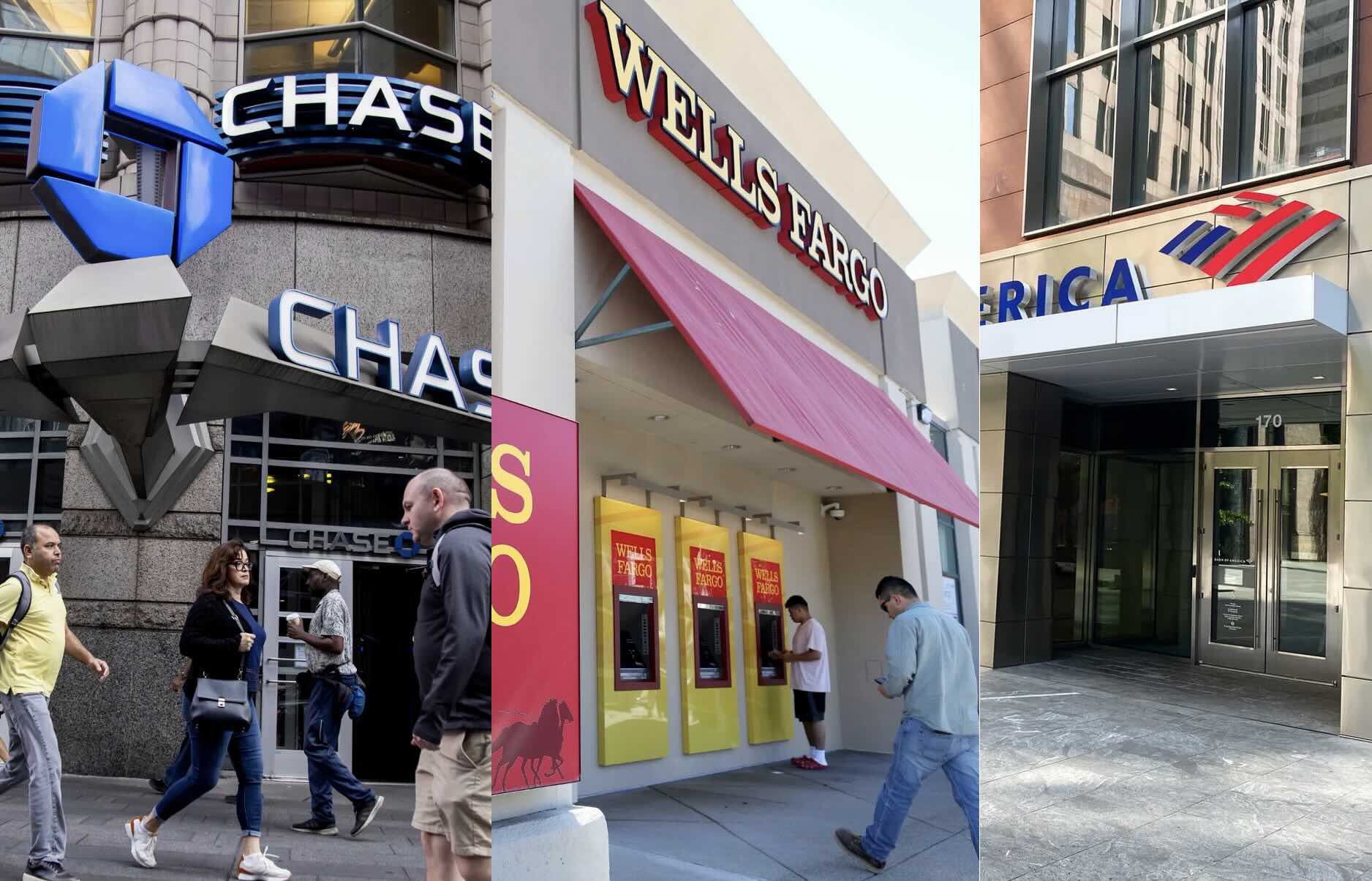
Photo: Emerald Book Image
On Monday, November 16, 2026, thousands of customers across several major U.S. banks found themselves locked out of their accounts, staring at missing balances, and waiting on stalled transfers. JPMorgan Chase, Wells Fargo, Bank of America, U.S. Bank, Capital One, and Truist all logged elevated outage reports on Downdetector, with Chase alone seeing more than 4,400 to 5,000 users flag issues. The cause, according to Chase, is a "technical bug issue, not a cyber issue." That's the extent of the official explanation so far.
The disruptions go well beyond front-facing websites. Customers are reporting mobile app failures with error messages saying balances cannot be displayed, delayed Zelle transfers between participating institutions, in-branch problems including a reported Chase branch in Dallas that couldn't accept check deposits because teller systems were down, and ATM and check-cashing issues. Wells Fargo confirmed via its website that online banking is "temporarily unavailable" due to technical issues, while Chase noted that some transactions are taking longer than usual to process but that customer accounts and funds remain safe and accessible.
No bank has publicly identified the exact code flaw or technical mechanism behind the bug. Chase has only confirmed the "technical bug, not a cyber issue" framing without releasing engineering details. Bank of America and Wells Fargo have released no explanation at all—Wells Fargo only posted a general notice that online banking is temporarily unavailable. Meanwhile, Zelle and U.S. Bank both told reporters their own core systems are operating normally, suggesting their error spikes are a ripple effect from connection delays when users attempt to transfer money to or from impacted banks.
Why This Points to Server Infrastructure
The evidence strongly suggests backend server and network infrastructure issues rather than simple website display bugs. When core services like mobile login authentication, account balance lookups, branch teller terminals, and interbank payment gateways fail at the same time, the bottleneck is happening on the servers handling data and transactions. A front-end website glitch would only break a web browser page. Because mobile apps, ATMs, and physical branch systems are also throwing errors, the breakdown is occurring deeper in the server layer that feeds all of those channels. Customers seeing missing balances or stalled Zelle transfers indicates application servers are struggling to communicate with core ledger databases or payment clearing gateways.
While the exact bug remains undisclosed, its visible effects are delayed transaction processing, failed logins, missing account balances, and stalled Zelle transfers between participating institutions. Chase confirmed that customer funds and underlying accounts are safe and have not been compromised—banks keep account ledgers isolated on redundant, heavily backed-up mainframe servers so funds are not lost even when front-end systems struggle.
What Could Cause a Multi-Bank Outage?
Simultaneous outages across major banks typically stem from a few common culprits, though none has been confirmed for today's disruption:
- Shared third-party vendors. Large banks often rely on the same cloud providers, content delivery networks, or cybersecurity routing services. A configuration error at a shared vendor can knock multiple competing banks offline at once. Core processors like Fiserv, FIS, and Jack Henry, edge providers like Akamai and Cloudflare, and API gateways like Plaid are all critical middlemen in the financial tech stack.
- Botched weekend maintenance. Banks frequently deploy software patches and database migrations over the weekend when volume is low. A hidden bug often goes unnoticed until Monday morning when millions log in simultaneously.
- Cascading interbank bottlenecks. Banks are tightly interconnected through Zelle, ACH, and wire networks. If one massive bank's API stalls, retry requests from other banks can flood and slow neighboring systems.
- Mainframe synchronization bugs. Banks run hybrid systems connecting modern apps to decades-old core mainframes. If the middleware loses sync, balances may disappear even though the money is safe.
- Retry storms. When a minor glitch blocks logins, millions of customers and automated apps repeatedly refresh, overwhelming authentication servers and turning a hiccup into a prolonged outage.
Because Chase has logged by far the highest volume of reports—and U.S. Bank noted its systems were only affected when interacting with other banks via Zelle—today's incident may be a localized technical bug at one major bank causing ripple effects across shared payment rails rather than a single vendor going down. There is no confirmed link to last week's global Microsoft 365 outage or the FAA communications glitch, despite social media speculation connecting the events.
What Customers Are Saying—and a Warning
Customers are flooding social media with frustration over locked accounts, stuck Zelle transfers, and vague communication. Chase users are seeing in-app notices reading, "Some services aren't available. We're working on them. Please try back later." One Chase customer in Texas told CBS News he was unable to deposit a check at a Dallas branch because tellers said the "system was down" without offering any timeline. Many customers online have expressed panic that their funds disappeared or that banks were hit by a cyberattack—prompting Chase to publicly stress that accounts are safe.
Security experts warn that scammers frequently exploit major outages by sending fake "account verification" or "security alert" emails to panicked customers. Banks rarely send proactive mass emails during an active technical outage, relying instead on in-app banners and website status alerts—so avoid clicking links in unexpected emails claiming to be from Chase, Bank of America, or Wells Fargo today.
For now, Wells Fargo advises customers they can still access accounts and complete transactions using ATMs, physical branch locations, or 24/7 phone banking while engineers work to restore online services. Chase says funds remain accessible. But until banks release an official root-cause report, the exact "technical bug" behind Monday's disruption remains a black box—a reminder of how much of America's financial infrastructure runs on systems we only notice when they stop.
No Ads. By Us. For Us.
This article was made possible by readers like you. We hope it inspired you to support Emerald Book, so we can continue producing content like this.
We will never show you ads, sell your data, or require a subscription to consume our content. Your gift helps us keep the truth accessible.
Click the Support button to give a gift of any amount today.
Thank you for making this work possible.