

Emerald Pages
◆
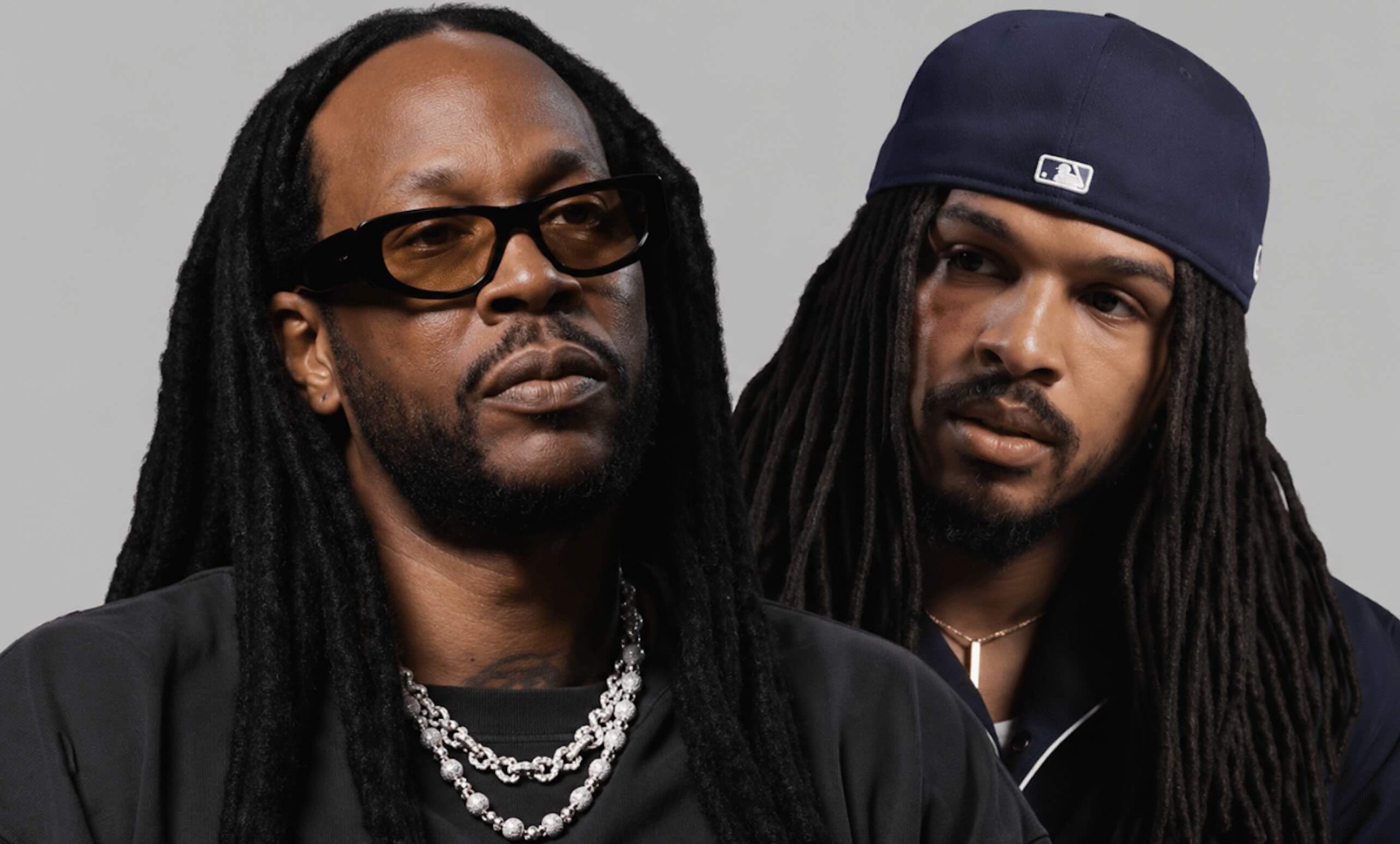
2 Chainz and Keith Lee | Photo: Baller Alert
It was supposed to be a simple podcast appearance. Instead, 2 Chainz walked into a firestorm that would force him to issue a public apology within days. During a November 2026 episode of Kirk Franklin's Den of Kings podcast, the rapper confronted food critic Keith Lee over what he believed was a scathing review of his Atlanta restaurant, Esco Restaurant & Tapas. There was just one problem: Lee had never reviewed the restaurant. 2 Chainz had mistaken him for another content creator entirely—Mr. ChimeTime.
But the mix-up wasn't the story. It was what happened next. When Lee calmly clarified the error, 2 Chainz didn't back down. Instead, he pivoted to defending celebrity privilege outright, arguing that as an entertainer, he "worked [his] ass off" to earn perks like skipping lines at restaurants and airports. Lee, known for sending his family into establishments first to test how "normal" customers are treated, pushed back: restaurants shouldn't roll out the red carpet only for the famous. The internet sided overwhelmingly with Lee. Within days, 2 Chainz issued an apology on X, admitting his words had offended people and that "what I said and what I meant were two different things."
But the damage was done—and the conversation it sparked cut deeper than one rapper's misstep. The 2 Chainz incident didn't happen in a vacuum. It became a flashpoint in an ongoing cultural debate about Black celebrity-owned restaurants—establishments that frequently promise the world, charge accordingly, and deliver chaos. The question many are now asking is uncomfortable but necessary: why do so many of these ventures fail the very communities that built them?
The Blueprint of Failure
When celebrities open restaurants, they almost always run into the same wall. The core issue is a fundamental disconnect between investing and operating. Most celebrities are financial backers and marketing faces, not hands-on operators. They cut a check, cut the grand opening ribbon, and hand the keys to managers—without knowing how to read a kitchen line, manage food cost percentages, or spot the warning signs of a failing operation. When they do try to get hands-on, it can make things worse. Without a hospitality background, decisions get made on ego and aesthetics rather than restaurant logic: heavy focus on the VIP section, the lighting, and the DJ booth, while ticket times in the kitchen spiral and staff turnover climbs.
The other systemic problem is the hybrid identity crisis. Many high-profile rapper- and athlete-owned spots attempt to function as high-end restaurants by day and nightlife lounges by night. Managing a high-volume club requires an entirely different operational system than running a fine-dining kitchen. When nightlife logistics—strict security, dress codes, mandatory bottle service, unyielding seating limits—bleed into a 6:00 PM dinner service, ordinary families feel unwelcome and subjected to "house rules" that feel openly hostile.
The Receipts: Atlanta's Most Famous Flameouts
If you want to understand the pattern, look at Atlanta—the epicenter of Black celebrity culture and home to some of the most spectacular restaurant downfalls in modern memory.
- T.I. — Scales 925: Opened in 2015 to massive fanfare. Within a year, a dozen employees filed a federal lawsuit alleging withheld paychecks, deleted timecards, and forced unpaid overtime. The restaurant was evicted for owing over $75,000 in back rent and folded in 2016 amid financial and legal ruin.
- Diddy — Justin's: The premier upscale soul food destination for the hip-hop elite for over a decade. But it suffered a classic nightlife-versus-dining identity crisis—late-night fights, security issues, and rowdy club behavior bled into dinner hours. Food and service quality declined as the party vibe took over. Closed in New York (2007) and Atlanta (2012).
- Kandi Burruss — Old Lady Gang & Blaze: Despite massive lines and a reality TV spin-off, both establishments were hit with a barrage of setbacks. OLG failed health inspections with a "C" grade due to major code violations. Blaze was temporarily closed over cross-contamination and handwashing violations. In early 2025, the couple was hit with a $200,000 lawsuit alleging more than $150,000 in back rent.
- Gladys Knight — Gladys Knight's Chicken & Waffles: Arguably the most famous celebrity soul food spot in the country. In 2016, the Georgia Department of Revenue raided all locations after an investigation revealed the operator was using restaurant funds for personal use. He was arrested for stealing over $1 million in state sales and withholding taxes. Gladys Knight sued to strip her name from the business, and the chain was permanently shut down.
- DaBaby — No Knife Chicken & Waffles: Launched in September 2026 to immediate backlash. Plain waffles started at $15; a "Soulfood Cornbread Waffle" topped with mac and cheese, collard greens, and candied yams cost $45—without chicken. Viral reviews documented hour-long waits, overcooked dry chicken with feathers still attached, and cold sides. DaBaby initially clapped back, telling critics to "go to Waffle House." The backlash eventually forced him to film himself in the kitchen promising a full management and kitchen overhaul.
The shared blueprint is remarkably consistent: wage and labor disputes, health department failures, financial mismanagement, and owners treating the cash register like a personal fund. And because a celebrity's name guarantees a packed house on opening week, these restaurants often skip the essential soft-launch phase entirely. They open at maximum capacity without their kitchen ticket times, POS systems, or waitstaff training ironed out. The packed tables then trick the celebrity into thinking everything is running great—allowing toxic service culture and lazy kitchen habits to become permanently baked into the infrastructure.
This Isn't Just a Black Thing
It's worth stating plainly: operational failure in celebrity restaurants is entirely universal. The brutal math of the business does not care how famous an owner is. Britney Spears' Nyla in New York closed within six months amid health code violations and scathing reviews. Jennifer Lopez's Madre's limped along for years before quietly shutting down. Planet Hollywood—backed by Stallone, Schwarzenegger, Willis, and Moore—filed for Chapter 11 bankruptcy twice. Steven Spielberg's submarine-themed Dive! folded within a few years.
The restaurant industry has an incredibly brutal failure rate for a reason. Success requires grueling 16-hour days, precise inventory tracking, strict labor management, and a passionate obsession with customer service. Hunger doesn't care about fame. If the food is cold, the service is rude, and the prices are a rip-off, the public will walk away every single time.
The Rare Exceptions
There are celebrities who got it right—and their formula is instructive. Nas backed Sweet Chick, a Southern-comfort brand praised for its fried chicken and custom waffles, by funding an elite fast-casual blueprint and leaving day-to-day operations to professional hospitality teams. Ryan Gosling co-owns Tagine Beverly Hills, an intimate Moroccan fine-dining spot with a 4.6/5 rating, built in partnership with a career chef rather than as a nightlife gimmick. The common thread: these stars acted strictly as financial powerhouses and stepped out of the way so enterprise management infrastructure and veteran kitchen staff could run a clean floor.
The same principle explains the success of non-entertainer Black-owned operations like Kitchen + Kocktails by Kevin Kelley, which holds a 4.8/5 rating across more than 16,000 reviews by pairing a lively R&B atmosphere with flawless, fast service and professional management. The lesson is consistent: true hospitality over gimmicks, professional management over yes-men, and the food coming first—hot, identical, and on time—whether you're a local regular or a VIP.
Structural Accountability
The friction highlighted by the Keith Lee debate is ultimately a demand for structural accountability. The consensus among modern consumers is that supporting Black-owned businesses shouldn't mean lowering standards. Everyday patrons are tired of paying premium prices to a business that doesn't respect their time or money—and they're saying so loudly, in public, with receipts. The celebrity name can keep a restaurant packed for a year purely on curiosity and hype, but it cannot substitute real hospitality expertise. The only way these cultural hubs survive past the initial hype is to ensure every customer—not just the famous ones—receives excellent service.
Until then, the pattern will repeat: another grand opening, another viral menu price, another apology video, another empty dining room. The question is no longer whether star power can save a kitchen. It's whether celebrities are willing to step aside and let the professionals do it for them.
No Ads. By Us. For Us.
This article was made possible by readers like you. We hope it inspired you to support Emerald Book, so we can continue producing content like this.
We will never show you ads, sell your data, or require a subscription to consume our content. Your gift helps us keep the truth accessible.
Click the Support button to give a gift of any amount today.
Thank you for making this work possible.