

Emerald Pages
◆
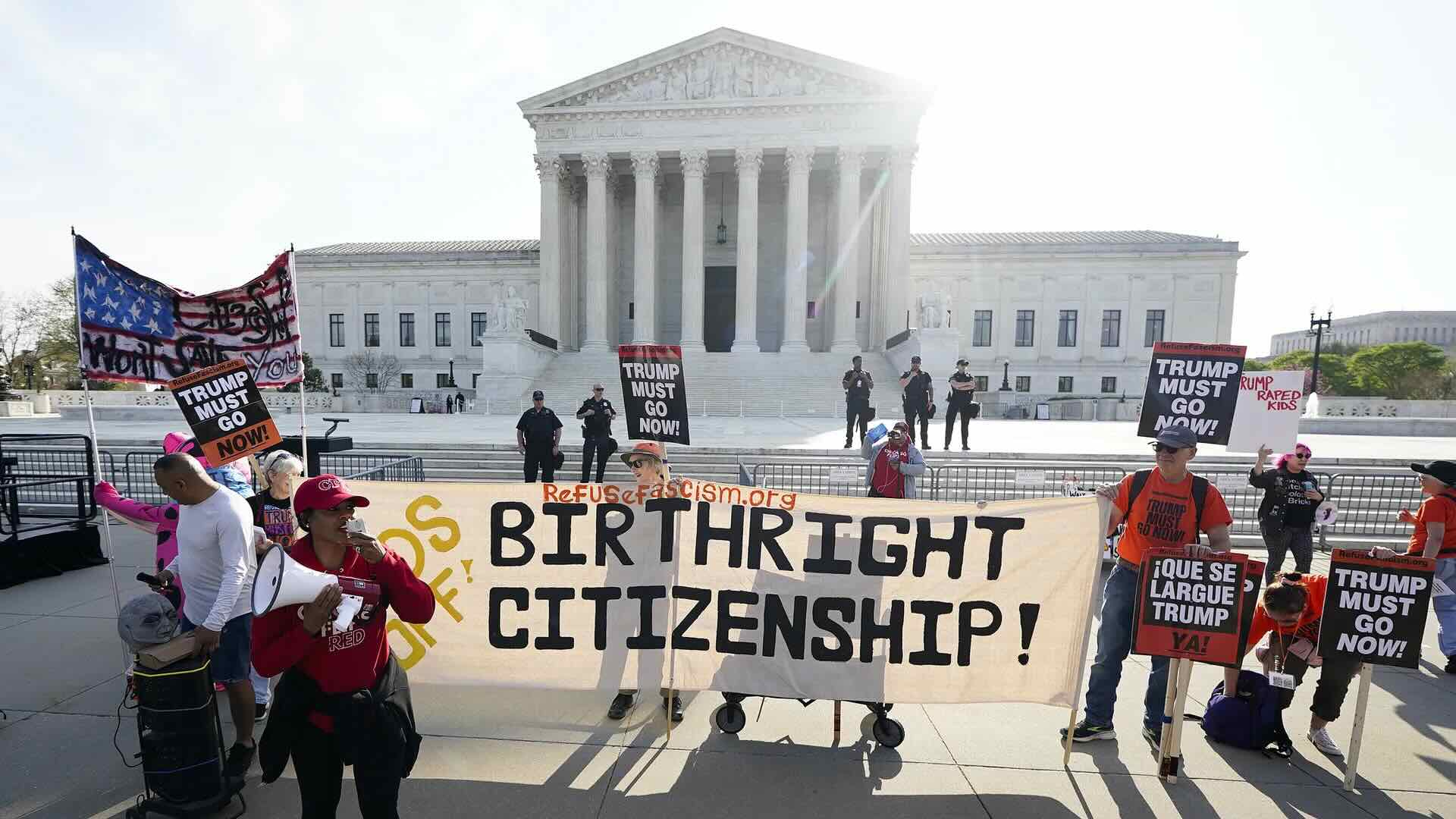
Photo: Al Drago | Getty Images
The Supreme Court delivered a decisive blow to President Trump's immigration agenda on Tuesday, striking down his executive order that sought to end automatic birthright citizenship for children born in the United States to undocumented immigrants and temporary visa holders. In a divided 6-3 ruling in the case Trump v. Barbara, the court's majority held that the president lacks constitutional authority to override the 14th Amendment's Citizenship Clause — a protection that has been settled law for over a century.
The ruling brings immediate relief to millions of immigrant families across the country who have lived in fear since the executive order was signed on the president's first day in office. Babies born today, tomorrow, and in the future will continue to be recognized as full U.S. citizens, with undisputed access to passports, healthcare, education, and all the rights afforded to any other American.
Chief Justice John Roberts authored the majority opinion, joined by Justices Amy Coney Barrett, Brett Kavanaugh, Sonia Sotomayor, Elena Kagan, and Ketanji Brown Jackson. Roberts rejected the administration's historical arguments, emphasizing that the 14th Amendment's language is unambiguous in granting citizenship to anyone born on U.S. soil, regardless of their parents' immigration status.
A Divided Court Reveals Deeper Fault Lines
The decision exposed significant fractures within the conservative wing of the court. While Justices Clarence Thomas, Samuel Alito, and Neil Gorsuch — all appointed by Republican presidents — voted to uphold Trump's order, two of Trump's own appointees, Kavanaugh and Barrett, broke ranks and joined the liberal justices to form the majority.
The three dissenting justices relied on an originalist interpretation of the 14th Amendment, arguing that the phrase "subject to the jurisdiction" of the United States was historically intended to exclude individuals who do not owe permanent allegiance to the country — such as foreign tourists, diplomats, and, in their view, undocumented immigrants. However, their argument failed to persuade the majority, underscoring that even among conservative jurists, there is no consensus on how to apply historical intent to modern immigration realities.
- The Majority (6 justices): Chief Justice John Roberts, Amy Coney Barrett, Brett Kavanaugh, Sonia Sotomayor, Elena Kagan, and Ketanji Brown Jackson ruled that the executive order violated the Constitution.
- The Dissent (3 justices): Justices Clarence Thomas, Samuel Alito, and Neil Gorsuch argued that the president should have the authority to reinterpret the 14th Amendment's "jurisdiction" clause.
- Key Takeaway: The ruling ensures that automatic birthright citizenship remains protected, preventing a two-tiered system where children born in the same hospital could be divided into citizens and non-citizens based on their parents' paperwork.
Justice Brett Kavanaugh, while voting with the majority, authored a separate concurring opinion that offered a distinct legal rationale. His decision to side against the administration highlights the growing divergence among conservative justices on the court — a development that could have lasting implications for future immigration-related cases.
Relief for Immigrant Families — And a Warning to the Administration
For advocates and immigrant rights groups, the ruling represents a monumental victory. This decision removes a massive cloud of fear and uncertainty about whether a child born in this country will be recognized as an American.
The ruling effectively prevents the Trump administration from denying U.S. passports and citizenship documents to babies born to undocumented immigrants or temporary visa holders. It also shuts down any plan to create a legal distinction between children based on the immigration status of their parents — a policy that legal scholars warned could have left thousands of children stateless or facing deportation from the only country they have ever known.
What This Means Going Forward
The Supreme Court's ruling is final and binding, meaning the Trump administration cannot appeal or pursue alternative legal pathways to end birthright citizenship. Automatic citizenship remains fully protected across all 50 states, and the executive order has been permanently blocked from taking effect.
For immigrant families, the decision brings not just legal clarity, but emotional relief. Parents who came to the United States seeking a better life can now rest assured that their children — regardless of their own immigration status — will be recognized as Americans from the moment they are born.
The ruling serves as a powerful reminder that even in a deeply polarized political climate, the Constitution remains the supreme law of the land — and that the courts seem to be willing to defend it, even against the most powerful executive in the nation.
No Ads. By Us. For Us.
This article was made possible by readers like you. We hope it inspired you to support Emerald Book, so we can continue producing content like this.
We will never show you ads, sell your data, or require a subscription to consume our content. Your gift helps us keep the truth accessible.
Click the Support button to give a gift of any amount today.
Thank you for making this work possible.