

Emerald Pages
◆
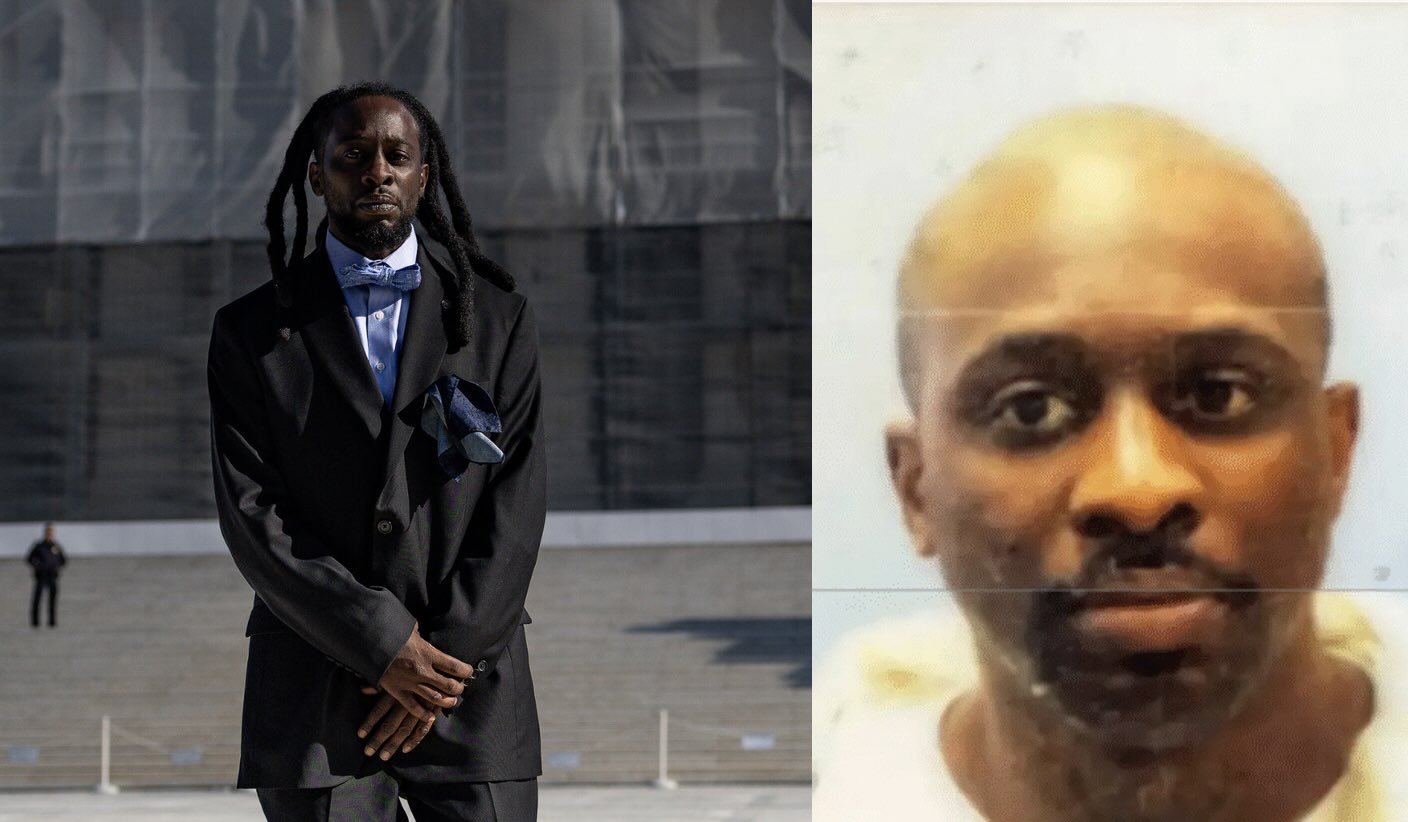
Photo: Emerald Book Image
On June 23, 2026, the Supreme Court ruled 6–3 that a Rastafarian man cannot sue individual prison guards for monetary damages after they forcibly shaved his head in violation of his religious beliefs. The decision in Landor v. Louisiana Department of Corrections divided the court along ideological lines, but not in the way many expected. All nine justices condemned the actions of the guards. The question was never whether a violation occurred—it was whether the victim could do anything about it.
Damon Landor was serving a five-month sentence in Louisiana in 2020. His Rastafari faith required him to keep his hair uncut, and his hair had grown for 20 years. Upon transfer to a new facility for his final weeks, Landor presented a court order protecting his hair. Guards threw the document in the trash, handcuffed him to a chair, and forcibly shaved him bald. He was released three weeks later.
Landor sued under the Religious Land Use and Institutionalized Persons Act (RLUIPA), a federal law passed in 2000 to safeguard prisoners' religious freedoms. But the conservative majority—led by Justice Neil Gorsuch—ruled that the specific structure of RLUIPA does not permit lawsuits against individual guards for personal financial compensation.
The Spending Clause Catch-22
The majority's logic hinged on a technical but powerful legal doctrine. RLUIPA was enacted under Congress's Spending Clause power, meaning it operates like a contract: the federal government gives money to states, and in exchange, states agree to protect religious rights. Writing for the majority, Justice Gorsuch explained that because individual prison guards are not party to that federal contract, they cannot be held personally liable for monetary damages unless Congress explicitly writes a statute authorizing it.
Justice Ketanji Brown Jackson wrote the dissent for the court's three liberals, sharply criticizing the decision. She argued that it significantly weakens civil rights protections and leaves prisoners who suffer blatant religious freedom violations completely "remediless." Critics also noted the ruling is a rare departure for this conservative court, which has heavily expanded religious rights in recent years—except, it seems, when the victim is incarcerated.
The Double Door Slam
Landor didn't just sue the guards. He initially tried to sue the Louisiana Department of Corrections itself. But a 2011 Supreme Court precedent (Sossamon v. Texas) already blocked that path. Under that ruling, state prison systems have sovereign immunity against monetary damages under RLUIPA. You can sue to force a policy change, but you cannot collect a single dollar for what was already done to you.
- The Prison System: Protected by sovereign immunity. You can't get money from them under RLUIPA.
- The Individual Guards: Protected by the Spending Clause contract logic. You can't get money from them either.
- The Result: A prisoner whose rights are violated while incarcerated has no federal path to financial compensation if they are released before the lawsuit concludes.
Because Landor was released just three weeks after the incident, he couldn't even ask a judge to stop the prison from shaving his head. The case was "moot" on that front. The only meaningful remedy left was money damages—and the Supreme Court just closed that door.
Contrast With Other Cases
The ruling stands in stark contrast to other recent religious freedom victories at the Supreme Court. In Tanzin v. Tanvir (2020), the Court unanimously ruled that Muslim men placed on the No Fly List for refusing to act as FBI informants could sue federal agents for monetary damages. The difference? They sued under the Religious Freedom Restoration Act (RFRA), which applies directly to the federal government, not under a Spending Clause contract.
In the private sector, employees regularly win massive financial compensation for religious violations under Title VII of the Civil Rights Act. In 2024, a federal jury awarded over $12 million to an employee denied a religious accommodation for a corporate vaccine mandate. Private employers have no sovereign immunity and no qualified immunity—the legal shields that protect government workers.
What This Ruling Really Means
The Supreme Court did not say prison guards are legally allowed to violate religious rights. All nine justices agreed that what the guards did was an outrageous violation of federal law. The ruling was about remedy, not wrongdoing. But as Justice Jackson warned in her dissent, if the only punishment available is a policy change that comes too late for the victim, rogue guards face no meaningful personal consequences.
Landor still has a technical option to sue in Louisiana state court for assault and battery. But that's a separate legal battle under state law, not the federal religious protection he sought. The Louisiana Department of Corrections has since updated its grooming policies to ban guards from cutting Rastafarian inmates' hair. For Landor, the damage was already done.
The ruling exposes a fundamental tension in American law: a right without a remedy is no right at all. And when the technicalities of contract law outweigh the brutality of a constitutional violation, the system protects the state, not the citizen.
No Ads. By Us. For Us.
This article was made possible by readers like you. We hope it inspired you to support Emerald Book, so we can continue producing content like this.
We will never show you ads, sell your data, or require a subscription to consume our content. Your gift helps us keep the truth accessible.
Click the Support button to give a gift of any amount today.
Thank you for making this work possible.