

Emerald Pages
◆
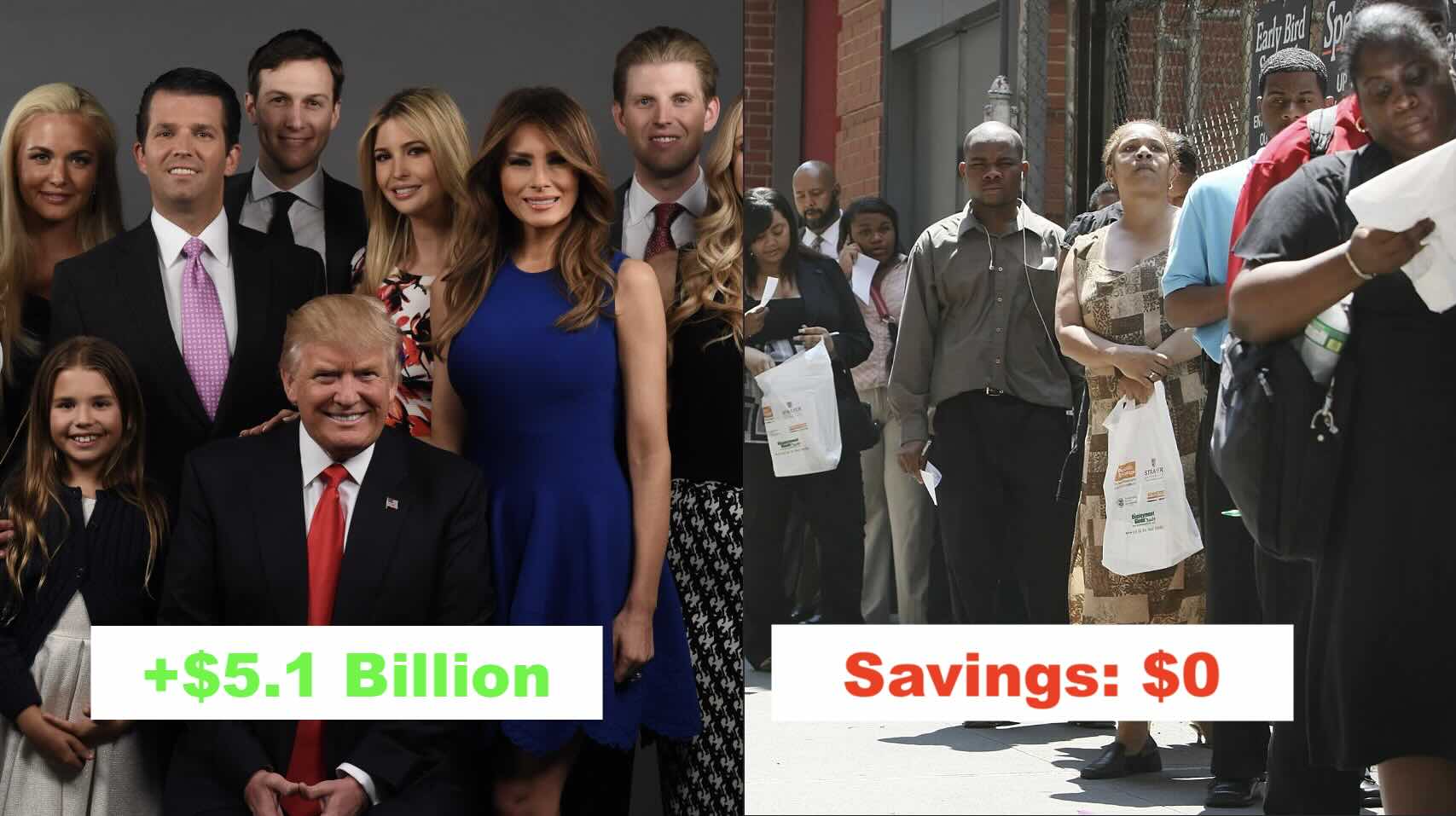
Photo: Emerald Book Image
The data paints a picture of two Americas. In one, the Trump family has seen their wealth skyrocket to unprecedented levels, fueled by crypto ventures, foreign investments, and high-end club profits. In the other, average American families—and particularly Black families—are navigating a landscape of stagnant wages, rising unemployment, and a cost-of-living crisis that has stripped away their financial security.
Since returning to public office, Donald Trump's net worth has grown by 60% to an estimated $6.3 billion, according to Forbes. The Trump family collectively has amassed between $4 billion and $5.1 billion in estimated profits and paper wealth, largely driven by ventures like the World Liberty Financial crypto platform and lucrative real estate deals in the Middle East.
Yet, while the Trump Organization was generating over $2.3 billion from crypto-linked platforms and pocketing $125 million in extra profits from Mar-a-Lago alone, the broader U.S. economy was telling a different story. The national unemployment rate crept up to 4.3%, and the labor market entered a "low-hire, low-fire" environment that left millions of workers struggling to find new opportunities.
The Toll on Black Families
The economic downturn has not been felt equally. For Black Americans, the numbers are stark. The Black unemployment rate stands at 6.6%—nearly double the white unemployment rate of 3.6%. This disparity is partly driven by massive cuts to the federal government, where Black workers make up roughly 19% of the workforce and historically relied on public sector jobs as a pathway to the middle class.
These job losses have been compounded by a contraction in manufacturing and a squeeze on inflation-adjusted wages. For Black men without a college degree, the employment-to-population ratio dropped to 58.8%. For Black women with college degrees, the steepest cuts came in the professional and public sectors, erasing years of hard-fought gains.
- The 2.1-to-1 Disparity: Black Americans are more than twice as likely to be unemployed as their white counterparts.
- Median Net Worth: The typical Black family holds a median net worth of just $44,900, compared to the national median of $192,700.
- Youth Unemployment: Young Black workers aged 16 to 24 face a staggering 14.1% unemployment rate.
The Wealth Illusion and the Cash-Flow Crisis
On paper, the U.S. is wealthier than ever, with a record $183 trillion in total household net worth. But that number obscures a deep divide. The top 1% control nearly one-third of that wealth, while the bottom 50% share less than 2.5%. For the average family, this means the macroeconomic "recovery" is invisible.
Inflation has hit a three-year high of 4.2%, driving up the cost of essentials. The average monthly grocery bill for a family of four is now $1,430. At the same time, inflation-adjusted wages have fallen for three consecutive months, wiping out any gains made in early 2025. Families are burning through savings—one-third of the country now has zero emergency cash left to cover an unexpected $400 expense.
Trapped in the Housing Market
For many families, their primary source of wealth is their home. But with mortgage rates holding at 6.6% and home prices still elevated, that equity is locked away. Moving or downsizing is unaffordable, and rising property insurance and taxes have pushed the average monthly payment for existing homeowners up 44%—an extra $600 a month—over the last three years.
Black families, who hold a disproportionate share of their net worth in home equity, have been particularly hard hit by this housing lockout. With fewer liquid assets to fall back on, they are more vulnerable to the economic shocks of inflation and job loss.
The Bottom Line
The data is clear: The Trump family and the wealthiest Americans have seen their fortunes soar. But for the average American family, and Black families in particular, the economic reality is one of stagnation, loss, and growing insecurity. The national wealth is at a record high, but it is increasingly concentrated at the top, leaving the majority of Americans to bear the weight of a cost-of-living crisis that shows no signs of easing.
No Ads. By Us. For Us.
This article was made possible by readers like you. We hope it inspired you to support Emerald Book, so we can continue producing content like this.
We will never show you ads, sell your data, or require a subscription to consume our content. Your gift helps us keep the truth accessible.
Click the Support button to give a gift of any amount today.
Thank you for making this work possible.