

Emerald Pages
◆
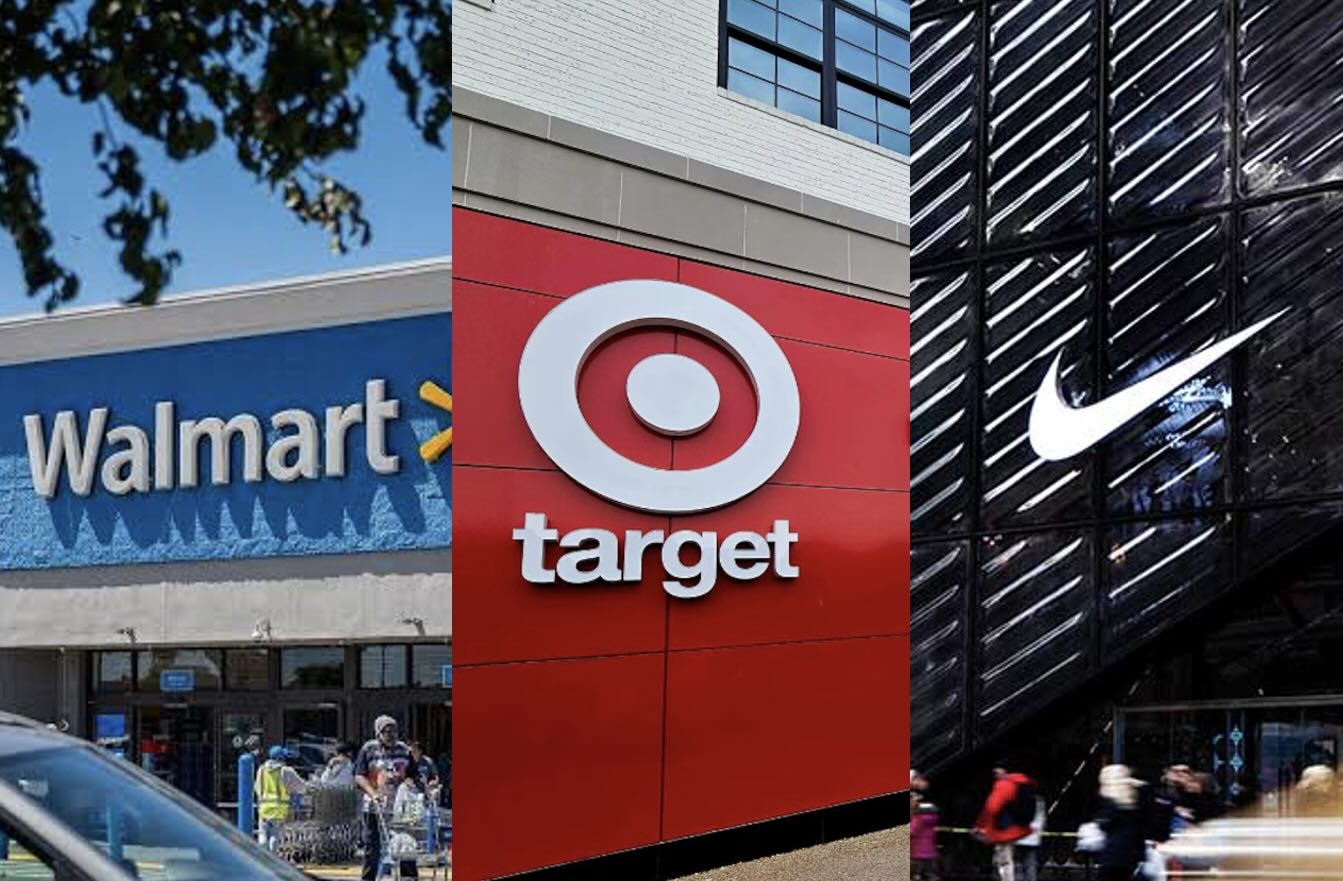
Photo: Emerald Book Image
In a saga that encapsulates the growing disconnect between corporate America and the average household, a Supreme Court ruling has unveiled a massive, legal financial windfall for some of the nation's largest retailers. Walmart, Target, and Nike are set to receive billions of dollars in tariff refunds from the federal government. The catch? The everyday consumers who were told these tariffs were the sole reason for record-high price hikes will see absolutely none of that money.
This situation represents a perfect storm of policy, corporate strategy, and legal loopholes that has left American families footing the bill twice. The saga began when the Trump administration implemented sweeping country-by-country tariffs, which importers were quick to pass directly onto consumers. Economists and Treasury Department data note that American shoppers shouldered roughly 95% of the overall tariff burden. Companies like Nike raised shoe prices, and retailers like Walmart and Target adjusted their shelf prices, all citing the increased cost of import duties.
The legal landscape shifted dramatically in February 2026, when the U.S. Supreme Court ruled 6-3 that the administration's tariffs under the International Emergency Economic Powers Act (IEEPA) were unconstitutional. The court declared that only Congress holds the authority to levy such duties, ordering the federal government to return an estimated $166 billion in illegally collected duties. By late July 2026, U.S. Customs and Border Protection had already paid out over $81 billion to businesses through its "CAPE" portal.
The Great Corporate Payout
The core of the public's frustration lies in who is receiving these refunds. The law dictates that payouts go strictly to the registered "importers of record"—the corporations that paid the duties. Everyday shoppers who paid higher prices at the register have no legal pathway to claim a refund. The result is a concentrated windfall for a few mega-retailers:
- Walmart: The single largest beneficiary, projected to receive a staggering $10.2 billion.
- Target: Scheduled to take home roughly $2.2 billion.
- Nike: Set to recover $1 billion.
- Other major importers like Samsung, IKEA, and Costco are also collecting massive shares of the payout.
Who Has Already Received Their Checks
The federal government has already distributed a massive portion of the refund pool, with over $81 billion of the $166 billion total already paid out to corporations. The Treasury Department fast-tracked "Phase 1" and "Phase 2" of the CAPE portal system, which covered open, active, or recently processed import shipments. However, because the government is distributing the money in sequential "waves," the "Big Three" retailers are at different stages of receiving their checks:
- Nike: Already locked in its benefits. Nike officially recorded its $986 million windfall in its fiscal fourth-quarter earnings report. The massive tariff recovery single-handedly masked declining retail sales in China and drove a stunning 900-basis-point surge in the company's gross profit margins.
- Walmart: Approved and waiting on the final deposit. Walmart submitted its formal application for its $2.4 billion cap through the federal portal. While executives have aggressively built a retail strategy around this incoming capital buffer, the Department of Justice and CBP are conducting heavy verification checks on older entries before releasing the final multi-billion dollar wire transfer.
- Target: In the processing pipeline. Chief Financial Officer Jim Lee confirmed to Wall Street analysts that Target is actively "working through the process" of clearing government verification steps to unlock its multi-billion dollar slice of the pie.
The remaining balance of the $166 billion is tied up in "finally liquidated entries"—older tariff fees collected years ago that the government considers closed books. To access that older money, the U.S. Court of International Trade stepped in and ordered Customs to clear the path for over 3,700 corporate plaintiffs. The system to pay out these remaining billions is scheduled to go live by July 29, 2026, ensuring another massive wave of corporate payouts over the coming weeks.
The refunds don't stop at the corporate bank accounts. Many companies adjusted executive incentive structures to "neutralize" the financial impact of the tariffs. Now that the tariffs are gone and the refunds are flowing, CEOs at firms like RTX and Gap are unlocking multi-million dollar performance bonuses tied directly to these adjusted metrics. Meanwhile, elite corporate law firms are generating billions in fees by aggressively filing claims on behalf of their clients.
A Permanent Price Floor
Perhaps the most damning aspect of this situation is the refusal of these companies to pass the savings on to consumers. In recent earnings calls, executives explicitly laid out why prices won't drop. They cite a strategy known as "sticky pricing"—once consumers prove they are willing to pay a higher price, there is no financial incentive to lower it. They also argue that the billions in refunds are needed to offset other operational costs like domestic labor and inflation, or they plan to use the funds for stock buybacks to boost shareholder value.
This has created a "permanent price floor." Even before the refunds were issued, President Trump enacted new tariffs under Section 301 of the Trade Act of 1974, imposing 10% to 12.5% duties on nearly all imports. This ensured that corporations would never have a reason to drop prices, locking in the elevated cost for everyday essentials. Because the new tariffs went into effect almost immediately after the old ones were struck down, consumers never saw a moment of relief.
The New Tariffs: A Government Funded by Consumers
The federal government is effectively using the revenue from these new tariffs to help pay off the debt from the old tariff refunds. This means the American consumer's daily purchases are funding both sides of the government's legal battle with corporations. The new "forced labor" tariffs target 60 U.S. trading partners, covering over 99% of all U.S. imports. While countries like China face a 12.5% tariff and nations like the UK face a 10% tariff, everyday items like coffee and avocados were exempted to prevent grocery bills from spiking even further.
The situation is so egregious that it has sparked a massive legal backlash. Consumer advocacy groups have launched class-action lawsuits against Walmart and Target, arguing that the retailers' explicit blaming of "government tariffs" on store signage to justify price hikes, while then pocketing the refunds, constitutes consumer fraud and unjust enrichment.
No Ads. By Us. For Us.
This article was made possible by readers like you. We hope it inspired you to support Emerald Book, so we can continue producing content like this.
We will never show you ads, sell your data, or require a subscription to consume our content. Your gift helps us keep the truth accessible.
Click the Support button to give a gift of any amount today.
Thank you for making this work possible.