

Emerald Pages
◆
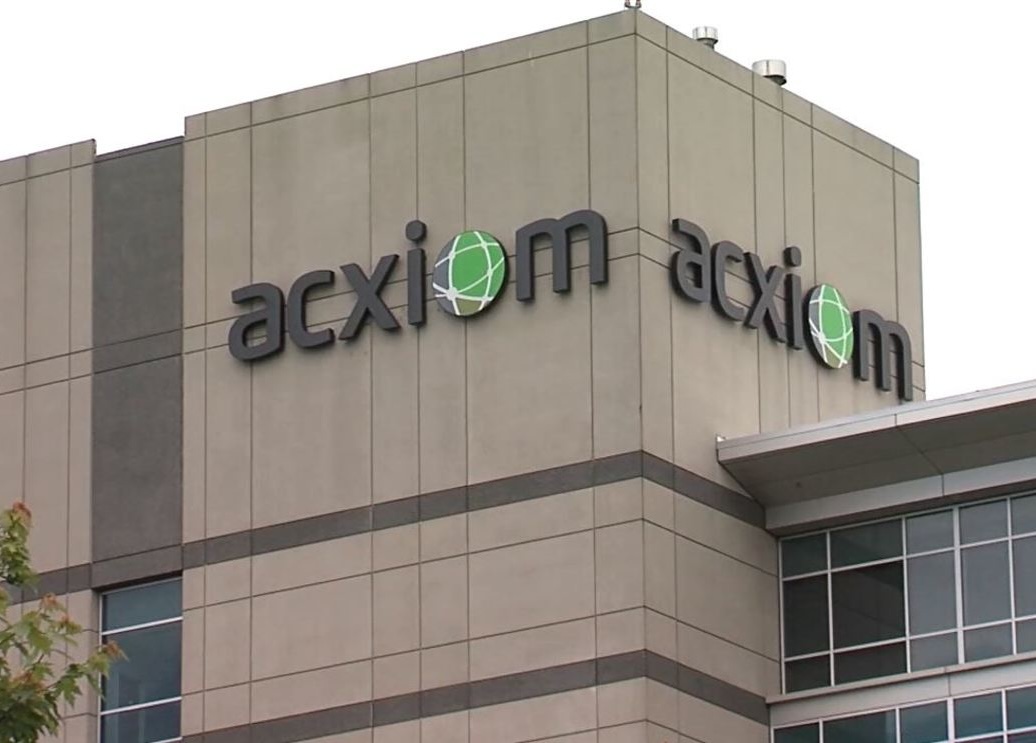
Photo: KATV
The sensation is unnervingly universal. You are having a quiet conversation about a specific product—perhaps a new pair of shoes, an obscure kitchen gadget, or a vacation destination. You have never typed these words into a search engine, nor have you clicked on an online ad. Yet, within hours, an advertisement for that very item appears on your social media feed, as if the device in your pocket has been eavesdropping on your every word. This leads to a chilling, pervasive suspicion: is my phone secretly listening to me?
The short answer is no. Cybersecurity experts and researchers have meticulously analyzed phone data traffic and found no evidence of large-scale, continuous audio surveillance. The technical constraints alone—the rapid battery drain, the massive consumption of cellular data, and the monumental legal liability—make a secret microphone conspiracy impractical for advertisers. While your phone does listen for authorized wake words like "Hey Siri" or "OK Google," this monitoring is strictly local and temporary. The "always-on" listening narrative, though compelling, is a myth. The reality of how you are being tracked is actually much more sophisticated, pervasive, and, in many ways, far more concerning than a hidden microphone.
The uncanny feeling of being monitored is driven not by audio recording, but by the highly advanced, multi-billion dollar data broker industry and its behavioral tracking web. Advertisers don't need to hear you because they can accurately reverse-engineer your conversation using other, more efficient digital breadcrumbs. This is where the concept of "co-location" comes into play. If you spend an hour with a friend, your phones broadcast Bluetooth signals, connect to the same Wi-Fi network, and share identical GPS coordinates. Ad networks log that your two digital profiles are physically sitting together. If your friend had previously browsed or searched for a specific product, the algorithm links you to their recent data profile. Because you spent that time together, the system assumes your friend recommended that product to you, and it immediately serves you the ad. The system is essentially tracking the physical world to predict the content of your conversations.
The Money Machine: A Near-Omnipotent Digital Economy
To understand why this system is so fast, so precise, and feels so omnipresent, you have to look at the economic engine driving it. The near-omnipotent economics of the data industry rely on a deeply integrated pipeline where data brokers act as the central nervous system. They collect, aggregate, and sell your digital existence without your explicit consent, creating an economy that effectively monetizes every aspect of your life. The Federal Trade Commission (FTC) has found that a single prominent data broker can hold an average of 3,000 detailed data points on almost every consumer in the United States. These points range from your income and ethnicity to your grocery preferences and political leanings.
The speed of this system is breathtaking, relying on a highly automated infrastructure called Real-Time Bidding (RTB). In less than 100 milliseconds—faster than a blink—a digital auction takes place. You open an app, and your Ad ID, GPS location, and device type are sent to an ad exchange. The exchange blasts this data to thousands of advertisers simultaneously, who cross-reference it with data broker profiles. Algorithms bid on your profile, and the winning ad is selected and loaded onto your screen. It's a high-frequency trading system for your attention, supported by a vast network of servers and pre-compiled profiles.
- The 50 Billion Location Pings: A New York Times investigation obtained a leaked database from a mid-size location data broker containing over 50 billion precise location pings from 12 million Americans, tracking them to the exact room they slept in.
- Ultra-Specific Targeting: To maximize sales, brokers categorize individuals into deeply sensitive lists, including labels like "Suffering Seniors" and even "Rape Survivors."
- The DMV is a Major Supplier: Several states' DMV offices have historically earned tens of millions of dollars by selling drivers' names, addresses, and vehicle information to data brokers.
The Collusion: How Google, Meta, and Everyone Else Cooperate
The economy's true power lies in its web of corporate partnerships. While "collusion" implies a secret, illegal conspiracy, this is a highly organized, legal, and multi-billion-dollar network of cooperation. This ecosystem allows companies to share information in real-time to build a complete picture of you.
Think about the moment you search for a product on Google and then see an ad for it on Instagram. This is a perfect example of the bridge between rival tech giants. The handshake happens because retailers install invisible tracking codes called the Meta Pixel on their websites. When you search for "camping tents" on Google, click a link, and land on a retail site, the Meta Pixel triggers in the background. It instantly recognizes who you are (via browser cookies or a logged-in account) and sends a message to Meta: "This specific user just looked at a tent." When you open Instagram twenty minutes later, its automated ad system serves you that exact ad. The retail website acts as the middleman, connecting the two giant, competing ad networks.
This cooperation exists because of mutual financial survival. No single company—not even Google—can track every second of your offline and online life alone. Stores need AdTech companies to find their customers online. Free apps need data brokers to monetize their users. Ad networks need external data to make their ads hyper-targeted. By establishing universal tracking standards like shared Ad IDs, IP address matching, and email hashing, they have created an interconnected web where if one company catches a glimpse of what you're doing, the entire ecosystem learns about it almost instantly.
Why Data Brokers are the Essential Middlemen
Data brokers are the central hub of this machine, and they exist because data is scattered. Tech giants like Google and Meta know a lot about what you do inside their apps, but they don't automatically know what you buy at the physical grocery store, what car you drive, or how much your house is worth. Data brokers exist to bridge this gap, acting as the connective tissue that powers the open web. When a company wants to target wealthy homeowners on a random cooking blog or a free mobile weather app, the site installs code from a data broker. The broker identifies who is visiting the blog and tells the advertiser, allowing the entire rest of the internet to target you just as precisely as Meta can.
Ultimately, the world of data is a massive, global assembly line where your personal life is the raw material. However, the tide may be turning. The Apple-Meta war, sparked by Apple's App Tracking Transparency feature, blocked Meta from reading the universal Mobile Ad ID on millions of iPhones, costing Meta billions. This single feature proved just how fragile the network becomes when you cut a single thread. Furthermore, new government watchdogs in states like California (CCPA/CPRA), Texas, and Virginia are legally forcing data brokers to reveal who they are sharing your data with and giving you the right to say, "Stop selling my information." In the face of this near-omnipotent economy, knowledge is power.
No Ads. By Us. For Us.
This article was made possible by readers like you. We hope it inspired you to support Emerald Book, so we can continue producing content like this.
We will never show you ads, sell your data, or require a subscription to consume our content. Your gift helps us keep the truth accessible.
Click the Support button to give a gift of any amount today.
Thank you for making this work possible.