

Emerald Pages
◆
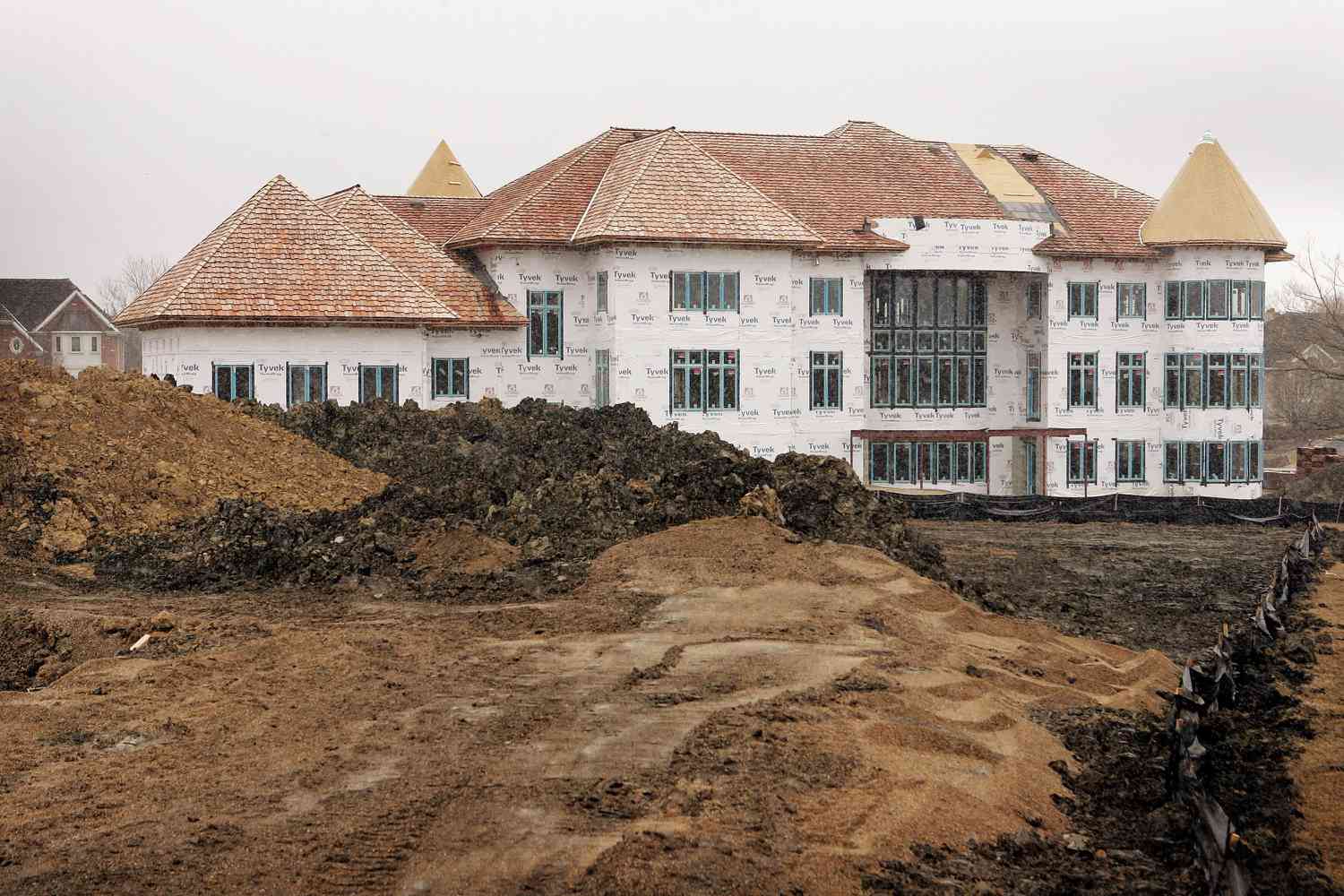
Photo: Scott Olson | Getty Images
When people say they "built a house," the financial reality depends heavily on whether they hired a custom builder, bought from a mass-production developer, or swung the hammer themselves. Historically, buying an existing home was the cheaper route. However, unique market shifts have turned this math on its head.
National data now shows that newly constructed homes have dropped below the price of existing homes in many markets, making building a highly competitive option. But the phrase "building a house" is a broad umbrella. To understand the economics, you have to break it down into three distinct pathways.
The Three Financial Pathways of Construction
Not all builds are created equal. Understanding which path you are on determines the total financial outlay and risk profile.
1. The Mass-Production Build (Often Cheaper): If building means signing a contract with a large-volume developer to build a pre-designed layout in a new subdivision, it is often cheaper than buying an existing home right now. Builders benefit from economies of scale, buying lumber and appliances in massive bulk. Because developers face steep holding costs, they offer aggressive incentives like mortgage rate buydowns to move inventory.
2. The True Owner-Builder / DIY Route (Cheaper, but Riskier): If acting as your own General Contractor and physically doing the work, you can save 20% to 40% on total costs. You cut out the middleman markup and save on labor. However, banks are highly reluctant to issue loans to owner-builders. Permit delays, mistakes, and paying retail for materials can quickly erase savings.
3. The Custom Build (Almost Always More Expensive): This involves buying land and hiring an architect to build a one-of-a-kind home. You have zero economies of scale, and every trade contractor bids at premium rates. "Forum users note that people rarely build custom homes to use budget materials," resulting in upgrades that drive costs past the original budget. Infrastructure costs for utilities and site prep can easily add $20,000 to $50,000 before framing even begins.
The Full List of Costs: From Dirt to Done
The total cost of building a house goes far beyond lumber. Expenses are broken down into Hard Costs (tangible construction) and Soft Costs (fees and financing).
- Land & Site Prep: Purchase price, surveys, soil testing, clearing, utility hookups, and wells/septic. (High risk of cost explosion due to "Subsurface Surprises" like hitting rock or bad soil.)
- Pre-Construction: Architect fees, engineering stamps, permits, and builder’s risk insurance. (5% to 15% of total cost).
- The Shell (Structural): Foundation, framing, roofing, siding, windows, and exterior doors. (This is the most expensive physical phase).
- The Guts (Mechanicals): HVAC, plumbing, and electrical systems.
- Interior Finishes: Insulation, drywall, trim, painting, flooring, cabinets, countertops, and fixtures. (This is where budgets break due to the "Gap Between Allowances and Reality").
- Exterior Work: Driveways, landscaping, and decks.
Why Costs 'Explode' and How to Protect Yourself
It is highly common for projects to finish 15% to 30% over budget. The primary triggers include:
The "While We're At It" Syndrome: Moving a toilet or changing a layout after plumbing is installed requires expensive teardowns. Upgrading materials from laminate to quartz adds thousands instantly.
Change Orders and Weather: Every change order carries an administrative fee (often $250-$500). Weather delays extend construction loans, increasing "carrying costs" and often forcing you to pay extra months of rent.
To protect yourself, experts recommend Fixed-Price Contracts, choosing all materials before signing, and implementing the "20% Rule"—if your max budget is $400,000, plan a house that costs $320,000, keeping $80,000 in reserve.
The Financing Trap: You Aren't Paying Cash
The vast majority of people building a house are not doing so with cash. They use bank financing, but the process is entirely different—and stricter—than a regular mortgage.
Instead of one mortgage, building involves a Construction-to-Permanent Loan. During construction, the bank issues a short-term loan with a "Draw Schedule," releasing money in phases as inspectors verify completed work. You only pay interest on the money drawn. Once the house is finished, the loan converts to a standard 30-year fixed mortgage.
Why It’s Harder to Qualify: Banks demand higher down payments (often 20% to 30%) and higher credit scores for construction loans. They also force you to have a 10% to 20% cash contingency fund to cover overruns before they approve the loan.
"The Developer Exception:" If you buy from a large developer, the builder uses their own cash to build, and you simply take out a standard mortgage upon completion—bypassing the strict construction loan process.
So Why Do People Still Build?
Despite the stress and financial risk, people choose to build for three powerful reasons:
- The 'Zero Compromise' Factor: Building allows you to tailor the floor plan to your lifestyle—whether it's a mudroom for dogs, a home office, or multi-generational living spaces.
- Inventory Starvation: Homeowners with historically low 3% mortgages refuse to sell. This lack of existing homes forces buyers to new construction, where builders offer huge incentives to sweeten the deal.
- Lower Maintenance: New homes come with comprehensive builder warranties. You won't face a $15,000 emergency roof replacement for at least a decade, and utility bills are significantly lower due to modern energy codes.
Ultimately, the choice comes down to what "currency" you prefer to spend. Buying an existing home saves you time and stress today, but you pay with future maintenance costs and layout compromises. Building a home saves you from future repairs and design conflicts, but you pay with upfront financial strain and decision fatigue.
No Ads. By Us. For Us.
This article was made possible by readers like you. We hope it inspired you to support Emerald Book, so we can continue producing content like this.
We will never show you ads, sell your data, or require a subscription to consume our content. Your gift helps us keep the truth accessible.
Click the Support button to give a gift of any amount today.
Thank you for making this work possible.