

Emerald Pages
◆
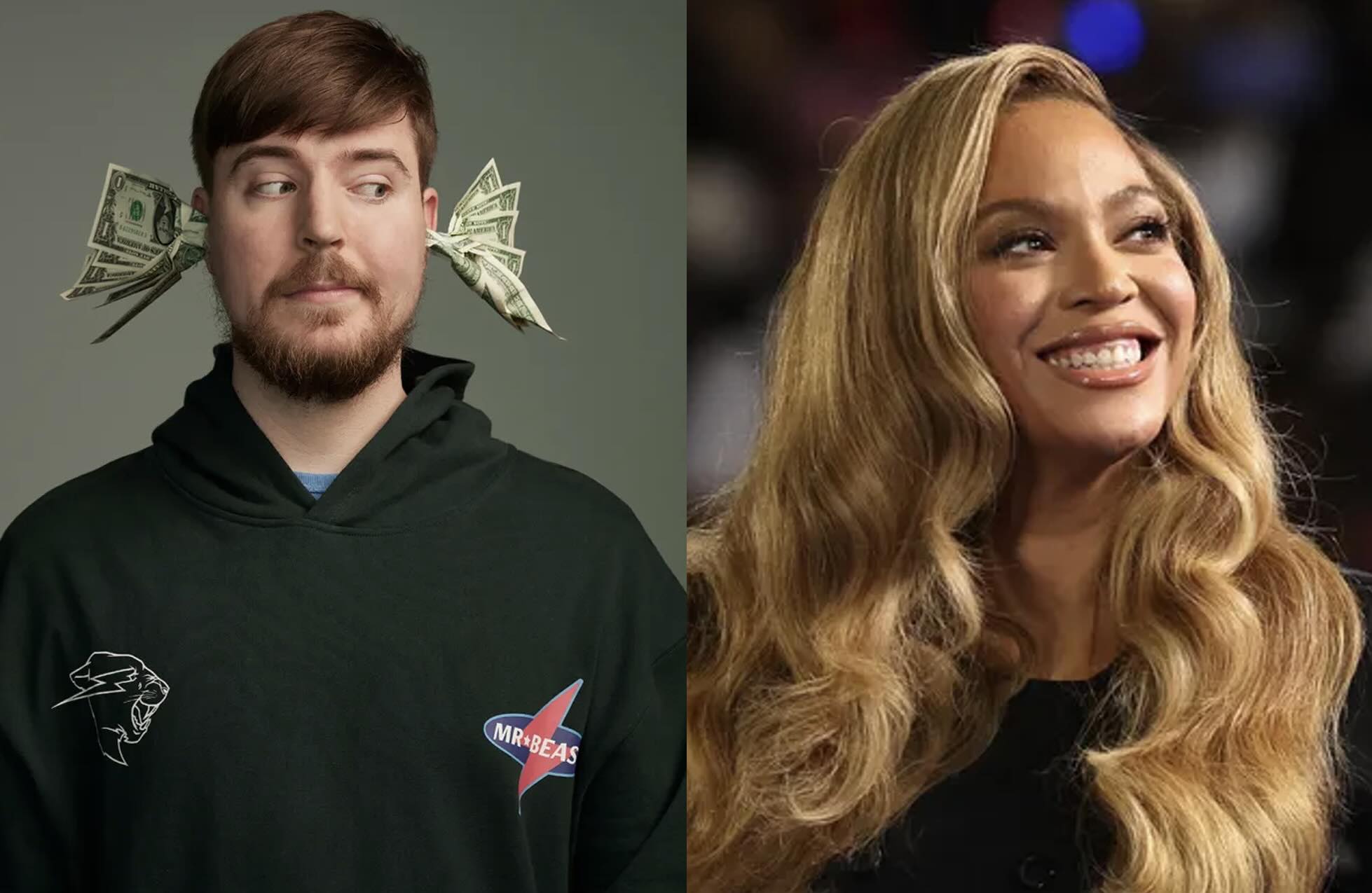
Photo: Emerald Book Image
There is a vast, unbridgeable chasm between being watched and being worshipped. In the modern digital landscape, we have conflated "virality" with "celebrity," believing that a massive view count equates to cultural permanence. The reality is far more complex, and the distinction is becoming starker than ever. The most perfect contemporary example of this divide is the comparison between MrBeast and Beyoncé.
For the uninitiated, MrBeast—real name Jimmy Donaldson—is the undisputed king of the attention economy. He has amassed hundreds of millions of subscribers across platforms, and his videos, which feature elaborate stunts and massive giveaways, routinely generate billions of views. Yet, even with this staggering reach, he does not possess the cultural prestige, economic authority, or institutional respect of a figure like Beyoncé. The difference between them is not one of popularity, but of nature. One is a product of a platform; the other is a pillar of culture.
The divide in their status comes down to three fundamental pillars: the difference between the attention economy and cultural power; the distinction between lifelong fans and passive viewers; and the role of institutional prestige.
The Attention Economy vs. Cultural Power
MrBeast commands the attention economy. He creates optimized, fast-paced spectacles designed to satisfy internet algorithms and capture short attention spans. His content is meticulously crafted to trigger engagement metrics: clicking, commenting, and watching until the very end. The platform is his stage, and the algorithm is his director.
Beyoncé, however, does not chase algorithms; algorithms adjust to her. She commands culture. When she drops an album, a film, or even a single image, it doesn't just go viral—it shapes fashion trends, dominates global discourse, and halts the entire entertainment industry. She does not need to use a single clickbait hook to captivate the world. Her presence is an event; his is content.
Lifelong Fans vs. Passive Viewers
MrBeast's audience is enormous, but it is largely comprised of passive viewers. People click on his videos to watch a train crash into a pit, to see a million dollars given away, or to witness a spectacle. They are not necessarily there because they feel a deep emotional connection to Jimmy Donaldson as a person. The relationship is transactional and fleeting.
Beyoncé's audience, by contrast, is a community of intensely loyal, multi-generational disciples: the BeyHive. Her fans don't just watch her; they invest in her. They spend thousands of dollars per ticket to see her perform live, buy into her personal mythology, and have built a decades-long narrative around her artistry. This is not passive consumption; it is active devotion.
Institutional Prestige
MrBeast is highly respected in the tech and entrepreneurial worlds. His achievements are measured in metrics, view counts, and product sales. He is a brilliant businessman and a master of his domain. However, his domain is the platform. He is a king of a digital kingdom that can change its rules overnight.
Beyoncé is an institution. She is woven into the very fabric of society. She holds the record for the most Grammy Awards in human history, performs at presidential inaugurations, and is studied in university courses. She possesses a level of elite "A-list" prestige that digital creators are still structurally blocked from reaching. Legacy media, from newspapers to cable news, treats her as a historical figure and a cultural landmark.
- Audience Portability: Traditional celebrities like Beyoncé are followed by their fans anywhere. Viral creators are tied to their platform's algorithm.
- Narrative Control: Celebrities are written about in newspapers, magazines, and everywhere in between. Virality depends on a single algorithm's whims.
- Enduring Value: Virality is fleeting. True celebrity is built on intellectual property and a permanent cultural footprint.
The economic reality of the creator economy is harsh: viral creators are locked in a form of digital sharecropping. They are trapped inside a digital hamster wheel, forced to constantly escalate the shock value of their content to keep the algorithm's favor. They have to create viral content. They have to scale always and forever or else they'll fall off. This content treadmill leaves the vast majority of creators unable to build independent wealth or break free from the platform's grip. Only the top 0.1% acquire enough wealth to launch independent brands and enter legacy media spaces.
The key to breaking this trap is to create something of independent value. The algorithm can manipulate attention by forcing a video into millions of feeds, but it cannot manipulate affection. True, portable fame requires building actual intellectual property (IP) that audiences connect with on a human level. It means writing songs that soundtrack people's lives, creating art that makes them feel seen, or designing products that solve deep problems.
When a viewer interacts with a viral creator, they are engaging in a transactional moment of entertainment. Once the shock value wears off, the transaction is over. But when a fan engages with a true celebrity, they are buying into a story, a legacy, and a personal mythology that transcends any single platform. One borrows the platform's infrastructure; the other owns the audience's loyalty.
No Ads. By Us. For Us.
This article was made possible by readers like you. We hope it inspired you to support Emerald Book, so we can continue producing content like this.
We will never show you ads, sell your data, or require a subscription to consume our content. Your gift helps us keep the truth accessible.
Click the Support button to give a gift of any amount today.
Thank you for making this work possible.