

Emerald Pages
◆
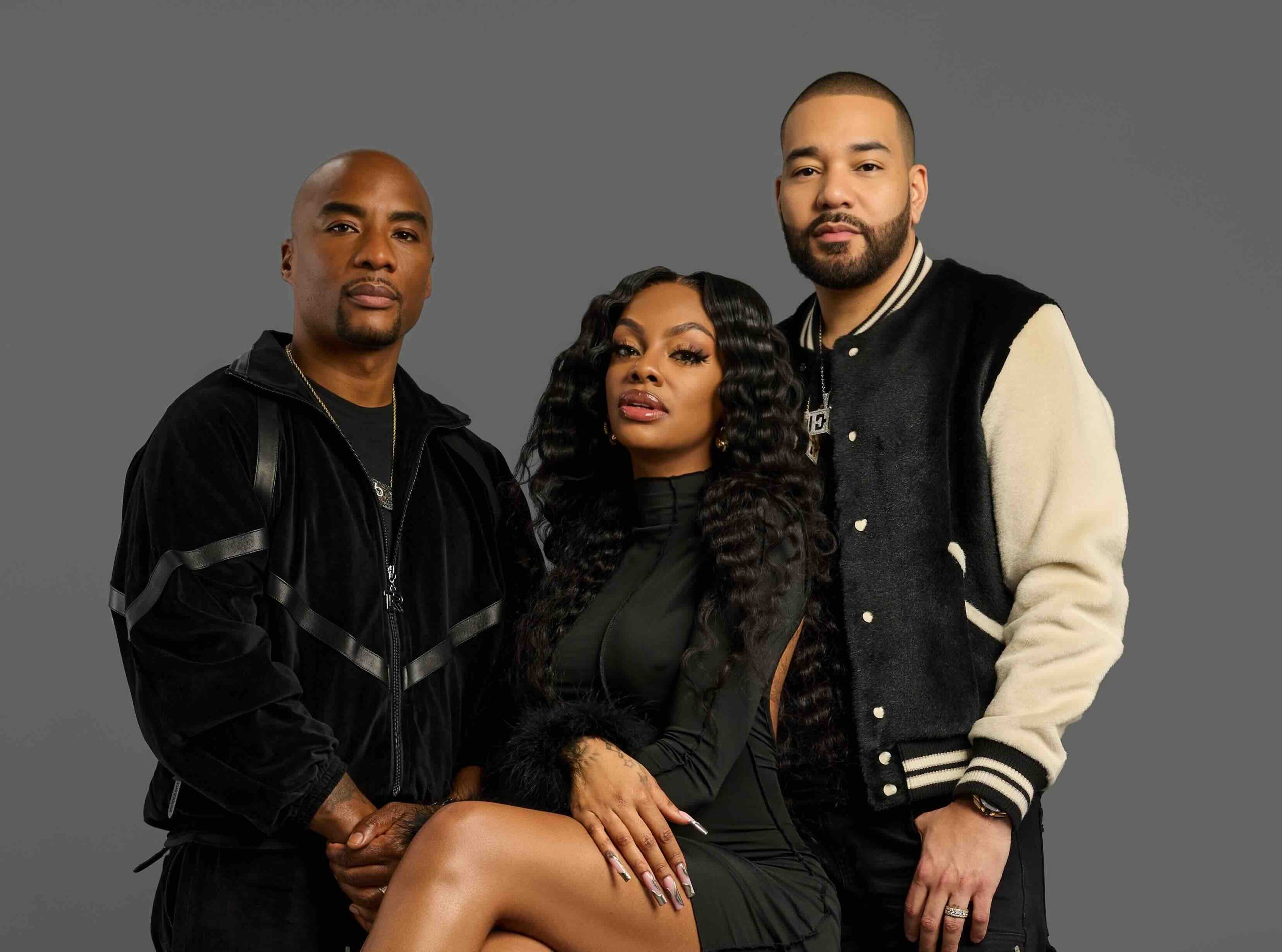
Photo: PremiereNetworks.com
For over a decade, The Breakfast Club wasn't just reporting on the culture—they were the culture. When an artist walked into that studio, the magic happened not just on the radio, but in the YouTube comment section, the instantly generated memes, and the ability for anyone with a phone to watch it for free. It was the definition of a viral ecosystem. That era, however, is officially over.
In a move that has sparked a massive debate about the future of hip-hop media, the show entered a multi-year partnership with Netflix. As a result, they stopped uploading long-form, full-length interviews to YouTube. They now only post short clips under five minutes. The shift was framed as a historic upgrade—a proof that Black-led, radio-born talk shows could command prime-time spots on a global streaming giant. But the data and the fan reaction tell a very different story.
The move away from free, open-platform videos has deeply impacted their digital footprint. In early 2025, the channel averaged 27 million monthly views on YouTube. By early 2026, that number plummeted to 13 million views—a staggering 50% crash. For a show that relied on its 6 million+ subscribers to share clips and make interviews go viral, shifting to a streaming service has effectively slowed down that organic web culture to a crawl.
Why Netflix Will Kill Their Virality
The core of the problem lies in the fundamental architecture of Netflix itself. It is a platform designed for passive consumption of movies and TV shows, not for the chaotic, immediate, and shareable energy of a daily talk show. The friction is built into every layer of the experience.
- The Anti-Sharing Technology: If you try to screen-record a wild moment on Netflix to tweet it or post it to TikTok, the app automatically blacks out the video to prevent piracy. There are no quick links to share with timestamps—sending a Netflix link just sends a friend to a login screen.
- The Algorithmic Echo Chamber: Netflix’s algorithm recommends content based on what you already watch. It doesn't have a universal "Trending" page that reacts to real-time pop culture news, unlike YouTube. A new Breakfast Club interview gets buried alongside documentaries, not elevated to the top of a cultural feed.
- Complete Lack of Audience Feedback: Netflix has no comment section. Viral moments are fueled by thousands of people arguing, joking, and timestamping funny reactions in the comments. Without that, watching a live broadcast on Netflix feels like staring into an empty room.
The show's hosts and industry experts have tried to spin the move as "history in real time." They argue that it proves the show's value and secures a massive revenue stream. However, this perspective treats Netflix like a traditional TV network (like HBO or prime-time television), which fundamentally misunderstands where the show's power came from.
A One-Sided Deal
The Netflix deal is incredibly one-sided. Netflix wins no matter what. For a company that spends millions on Hollywood dramas, producing a talk show in a radio studio costs almost nothing. They get to experiment with live, daily content and mine data on Black consumers with zero risk. If the show loses its buzz, Netflix can simply cancel it at the end of the contract without losing a beat.
The Breakfast Club, on the other hand, is slowly draining its most valuable asset for a temporary paycheck. Their raw material is relevance, and they are trading it for corporate security. This is eerily similar to what happened to BuzzFeed. BuzzFeed built its entire empire on Facebook's algorithms. When Facebook changed how it showed videos and articles, BuzzFeed’s traffic collapsed because they didn't truly "own" their audience—they just borrowed them from a free platform. The Breakfast Club is making the exact same mistake by mistaking platform accessibility for brand loyalty.
The consequences are already manifesting. The "A-List" guest problem is looming. Top-tier artists and politicians used to go on The Breakfast Club because they knew millions of everyday people would see them on YouTube by lunchtime. If the show loses its mass reach, big guests will start taking their exclusive interviews to open platforms like Drink Champs, The Joe Budden Podcast, or Kai Cenat's Twitch stream.
Even the radio show itself is at risk. A huge portion of radio listeners only tune in because they saw a clip trending on the internet the night before. When the digital buzz dies, the radio ratings will eventually follow. By locking themselves inside a paid app, they traded their power as cultural kingmakers to become corporate employees. And as history shows, once a cultural staple loses its edge and becomes just another corporate TV show, it is almost impossible to get that raw, grassroots internet energy back.
No Ads. By Us. For Us.
This article was made possible by readers like you. We hope it inspired you to support Emerald Book, so we can continue producing content like this.
We will never show you ads, sell your data, or require a subscription to consume our content. Your gift helps us keep the truth accessible.
Click the Support button to give a gift of any amount today.
Thank you for making this work possible.