

Emerald Pages
◆
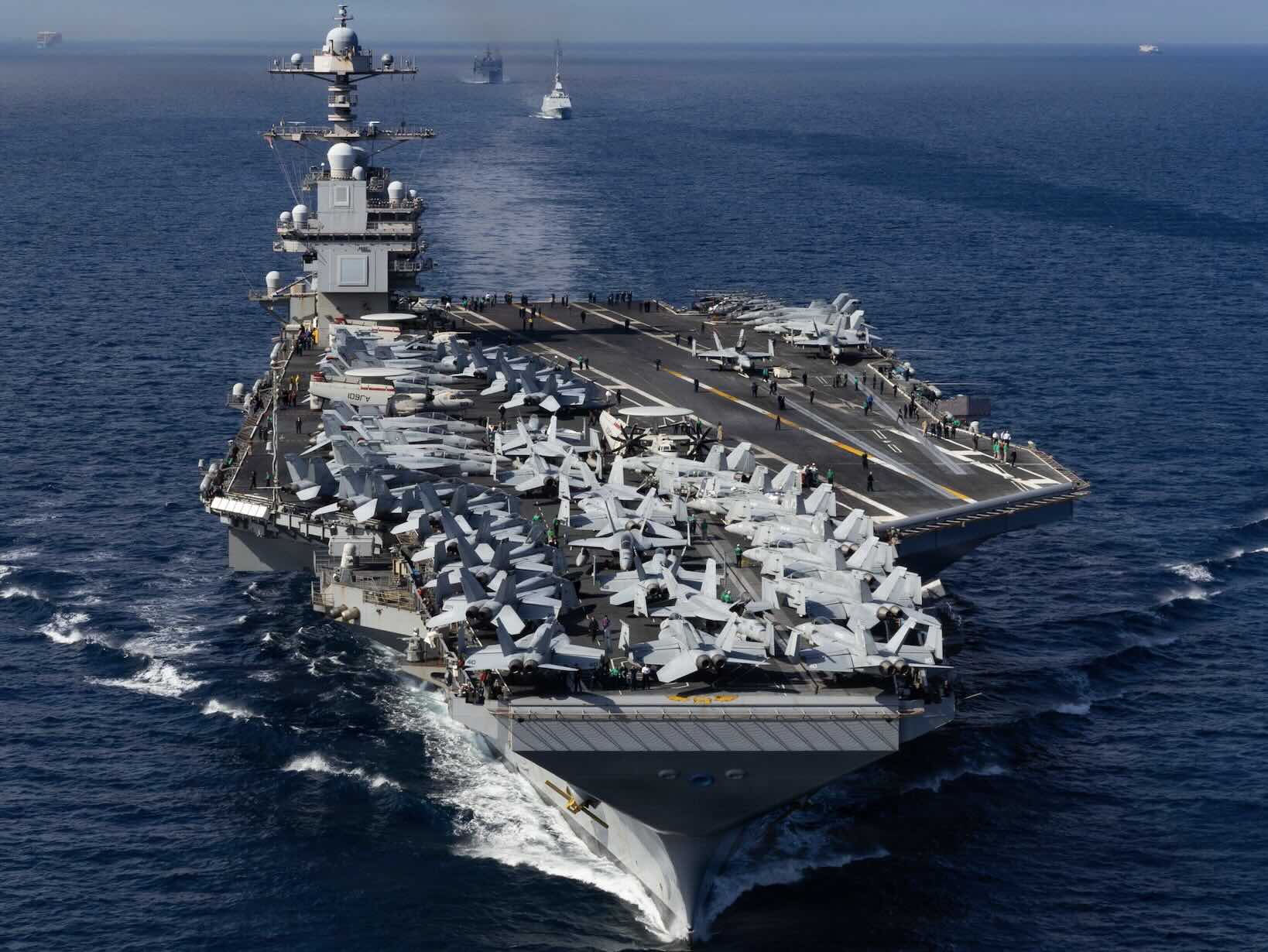
Photo: Alyssa Joy | US Navy | Getty Images
War is, and has always been, one of the most absurdly expensive endeavors humanity can undertake. But in the 21st century, the price of conflict has reached a new, mind-boggling scale. We are currently witnessing this reality play out in two major theaters: the grinding war of attrition in Ukraine and the high-intensity, technology-driven conflict between the United States and Iran. While the nature of these wars differs, the underlying economic equation is the same—billions of dollars are being burned, national budgets are being shattered, and the financial pain is rapidly bleeding into the lives of ordinary citizens, from Moscow to Missouri.
The numbers are staggering. Russia's invasion of Ukraine, now grinding through its fourth year, has forced the Kremlin into a permanent monthly burn rate of an estimated $11 billion to $13 billion just to sustain its offensive operations. This enormous cost—borne from replacing thousands of destroyed tanks, paying astronomical recruitment bonuses, and manufacturing millions of artillery shells—has completely undone Russia's financial planning, draining its full-year deficit target in just the first three months of 2026. On the other side of the globe, the U.S. military campaign against Iran has cost over $113 billion so far, with an urgent pending request for an additional $87.6 billion to restock rapidly depleting high-tech missile stockpiles and repair damaged bases. These are not just numbers on a spreadsheet; they represent a catastrophic reallocation of resources away from human progress.
To truly understand the financial cataclysm of war, it is useful to break down the costs into four main categories: the immediate battlefield expenses, the massive human toll, the devastating economic damage felt back home, and the crushing long-term debt that shackles future generations. By comparing the Russian and American experiences, we can see a clear, terrifying pattern: short-term estimates always spiral into decades of financial pain.
1. The Battlefield Furnace: Burning "Cash and Ammo"
This is the direct cost of keeping a military moving, shooting, and fighting. It’s the most visible part of the war budget, and it’s where the sheer velocity of modern spending becomes clear.
For Russia, the cost is a relentless, grinding monthly expense. The destruction of thousands of pieces of armored vehicles and artillery systems by Ukrainian forces requires a massive industrial effort to replace. This is a permanent, fixed-like variable cost, and it’s the primary driver behind that $13 billion monthly bill. In the U.S.-Iran conflict, the spending is more concentrated on high-tech precision. The first 24 hours of the campaign alone cost $700 million, with a burn rate exceeding $1 billion per day at its peak, showcasing the extreme expense of modern aerial and naval warfare.
2. The Human Toll: "Coffin Money" and Healthcare
Paying for the soldiers who fight is often the most expensive part of a war—both during the conflict and for decades after. Russia, suffering catastrophic troop losses estimated at 30,000 to 35,000 casualties per month, has been forced to pay enormous sign-on bonuses and "coffin money" (death benefits) to families. This expenditure has become so substantial that it has single-handedly drained a significant portion of Russia's National Wealth Fund, dropping it from 6.5% of GDP down to 1.8%, essentially erasing the country's financial cushion for the future.
The United States, while having a smaller number of active casualties in its recent conflicts, faces an even more daunting long-term financial liability: veteran care. Historical data shows that for the post-9/11 wars, the lifetime healthcare and disability benefits for veterans added over $2 trillion to the final bill. Economists and analysts are already projecting a similar multi-decade financial "tail" for the tens of thousands of troops deployed in the Iran war. This 30-to-50-year obligation is a massive fixed cost that cannot be reduced, further cementing the staggering long-term scale of war spending.
- Russia's Liquid Wealth: National Wealth Fund plummeted from 6.5% of GDP to 1.8%.
- U.S. Veteran Obligation: Post-9/11 healthcare and benefits cost over $2 trillion.
- Worker Crisis: Russia has seen over 200,000 small businesses close and a permanent workforce shrink.
3. Economic Damage at Home: Inflation, Shortages, and Soaring Prices
War acts like a massive vacuum on the civilian economy, sucking up resources and causing shockwaves that hit ordinary citizens the hardest. In Russia, the consequences are immediate and tangible. Ukrainian deep-strikes have successfully damaged 22 Russian oil refineries, causing severe domestic gasoline shortages and long lines at gas stations. To combat rampant, war-driven inflation, the Russian Central Bank has been forced to hike its benchmark interest rate to a crushing 14.25%, making borrowing impossible for businesses and leading to the closure of over 200,000 small businesses in a single quarter. Concurrently, the Kremlin has hiked the VAT to 22% and increased income taxes, starving the civilian economy to fund the war.
The U.S. is experiencing a similar, though different, economic pain. The closure of the Strait of Hormuz—a vital chokepoint for 20% of the world's oil—caused U.S. gas prices to spike past $4.50 per gallon. This energy shock pushed overall U.S. inflation to 3.8%, making groceries and everyday items significantly more expensive. The Federal Reserve is forced to maintain high interest rates to suppress this war-driven inflation, making it more expensive for Americans to buy homes, get car loans, or use credit cards.
4. Long-Term Debt: Paying for the War Later
Almost no country can afford a war using just the money it has saved. Nations must borrow from the future, leaving their descendants to pay the interest for decades. Russia, facing a massive 6 trillion ruble ($83 billion) budget deficit, is plugging the gap by raising taxes, eating into its national pension funds, and shifting its entire economy to a rigid "war footing" that will be difficult to reverse.
The United States has traditionally funded its modern wars entirely through borrowing. When economists calculate the true long-term cost of the current Iran war—including paying back borrowed money with interest, veteran benefits, and economic damage—the total estimate jumps from the initial hundreds of billions to an astronomical range of $630 billion to $1 trillion.
The Ultimate Price
The data is clear: whether it's Russia's grim war of attrition in Ukraine or America's high-tech conflict with Iran, the financial mathematics are devastating. The timeframes for these costs span from immediate, frantic spending in the first 24 hours to a crushing, permanent financial burden that will drag on for more than 50 years after the fighting stops. War is a choice, and the economic bill—paid in blood, treasure, and the erosion of the civilian quality of life—is a stark reminder of the true price of geopolitical ambition. The world is watching as two superpowers burn through their future wealth, with the only guaranteed outcome being a deep, lasting economic scar for all involved.
No Ads. By Us. For Us.
This article was made possible by readers like you. We hope it inspired you to support Emerald Book, so we can continue producing content like this.
We will never show you ads, sell your data, or require a subscription to consume our content. Your gift helps us keep the truth accessible.
Click the Support button to give a gift of any amount today.
Thank you for making this work possible.