

Emerald Pages
◆
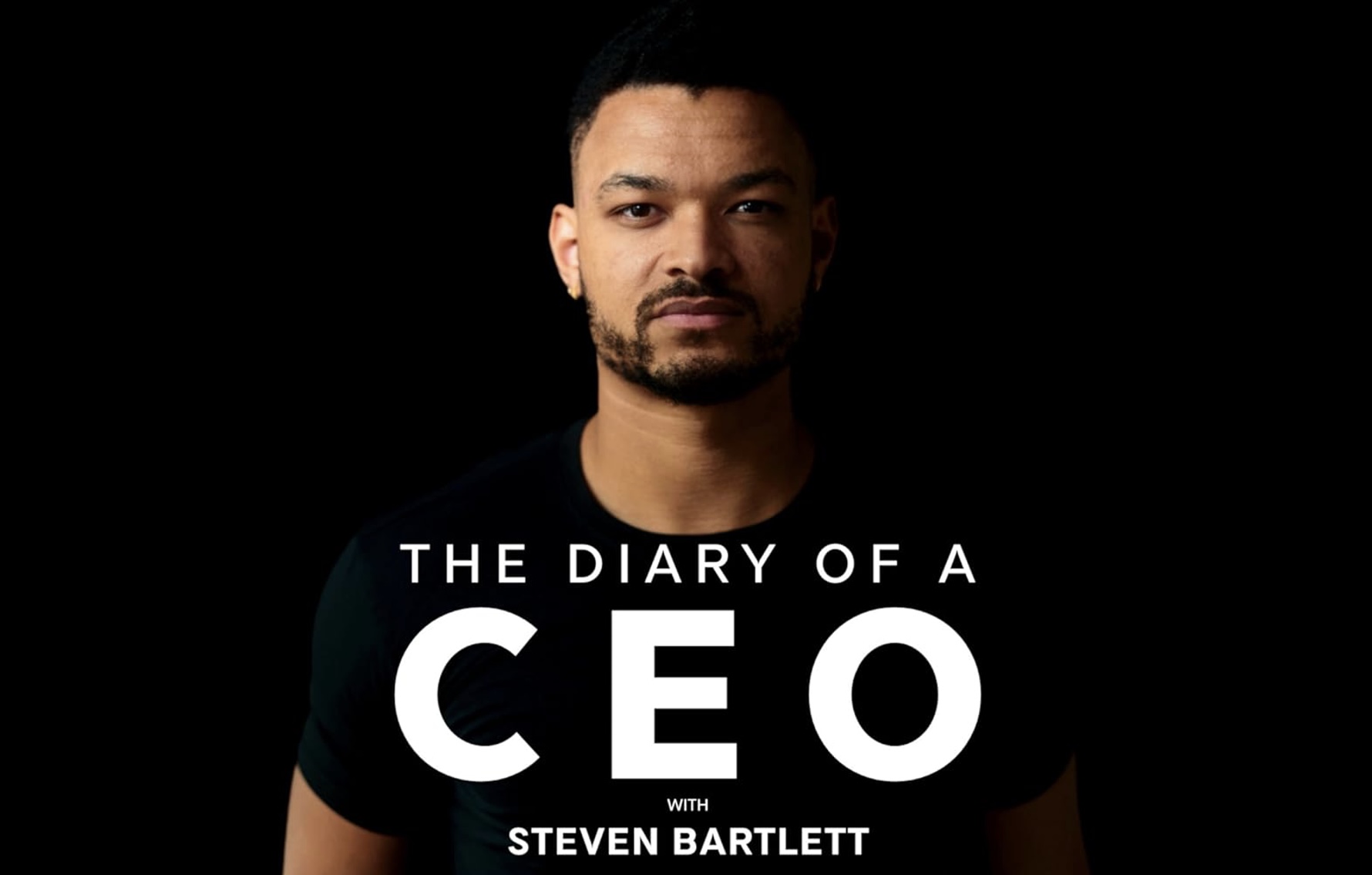
Photo: IMDB
What began as an authentic look into the mind of a young entrepreneur has, for many, become a symbol of everything wrong with the modern media landscape. The Diary of a CEO, hosted by Steven Bartlett, is one of the most popular podcasts in the world. Yet, a growing number of listeners and critics see it not as a vulnerable "diary," but as a massive, highly polished advertisement machine. The show, and Bartlett himself, are the perfect case study in the modern "attention economy."
The allure of the show is its branding. The title, the cinematic lighting, and the intimate interview style create an illusion of raw honesty. But this is a facade. When you look past the aesthetics, you find a business model that relies entirely on the fame and expertise of others, without creating anything truly new or challenging. Steven Bartlett is not a modern-day philosopher; he is the pinnacle of the modern content creator, whose real genius lies in his ability to manage the YouTube algorithm and leverage the clout of bigger names.
The transformation from an indie podcast to a media juggernaut was deliberate. To sustain its massive growth, the show needed massive star power. This changed the dynamic entirely. The guests, who were once lesser-known entrepreneurs sharing practical failures, are now global superstars, actors, and gurus using the show as a stop on their PR press tour.
The Transaction: Clout for Eyeballs
The relationship between Bartlett and his guests is a mutually beneficial business transaction. The guest brings the clout—their pre-existing fame and a dramatic story. In return, Steven provides the distribution—a massive, high-production platform and a loyal audience. This is the core of the modern podcast economy.
However, this transactional nature is precisely what destroys the "authenticity" the show claims to have. Because the show’s survival depends on keeping these powerful guests happy, the tone of the interview changes. There is rarely any hard-hitting journalism. If a world-famous scientist promotes a questionable supplement or a celebrity gives vague, unactionable advice, it is rarely challenged. The goal is not objective truth, but to create a "safe space" where publicists feel comfortable sending their clients.
The "CEO" Mirage and The Real Playbook
The title "CEO" gives Bartlett an aura of traditional corporate authority, making his podcast sound more prestigious than a standard internet talk show. In reality, his true craft is capturing human attention. He is a master distributor.
- Aggregation, Not Innovation: In his early days with Social Chain, he bought up popular meme pages and bundled them. He didn't create the content; he owned the plumbing that distributed it. He applied the same model to his podcast, becoming the "host" who aggregates other people's fame.
- Mastering the Algorithm: His success is a science experiment in YouTube optimization. Every thumbnail, dramatic pause, and intense close-up is engineered to keep viewers glued to their screens, forcing the algorithm to promote the video to millions more.
- Unactionable Advice: The show is filled with advice from multi-millionaires that is completely useless to the average person. Routines requiring personal chefs, supplements costing hundreds of dollars, and vague "mindset hacks" are not actionable, but they sound great in a viral TikTok clip.
This is the ultimate irony. Steven Bartlett's actual formula for success is completely different from the self-help advice, meditation habits, or mindset hacks he talks about on his show. He didn't get to where he is by following the advice of the wellness gurus he interviews. He got there by being an incredibly sharp digital marketer who knows exactly how to monetize human attention.
The Deception of the "Diary"
The word "diary" is the show's most brilliant piece of marketing. A diary implies total privacy, raw honesty, and unedited secrets. By wrapping a corporate press tour in the visual aesthetic of a private journal, the show tricks our brains into thinking we are witnessing a rare, authentic moment.
In reality, it is a highly engineered, commercial campaign. The content is often pre-packaged. The vulnerability is often scripted. And the final product functions as an infomercial for the guest's new book, movie, or supplement company. It is a giant advertisement for the idea of success, packaged perfectly for the social media scroll. It provides a feeling of inspiration without offering any tangible tools to improve one's life. By peeling back the corporate branding, it becomes clear that his true success is a masterclass in audience building, not personal development. He is the ultimate evolution of the influencer era, proving that you don't need to create anything new to be a millionaire; you just need to know how to direct the traffic.
No Ads. By Us. For Us.
This article was made possible by readers like you. We hope it inspired you to support Emerald Book, so we can continue producing content like this.
We will never show you ads, sell your data, or require a subscription to consume our content. Your gift helps us keep the truth accessible.
Click the Support button to give a gift of any amount today.
Thank you for making this work possible.