

Emerald Pages
◆
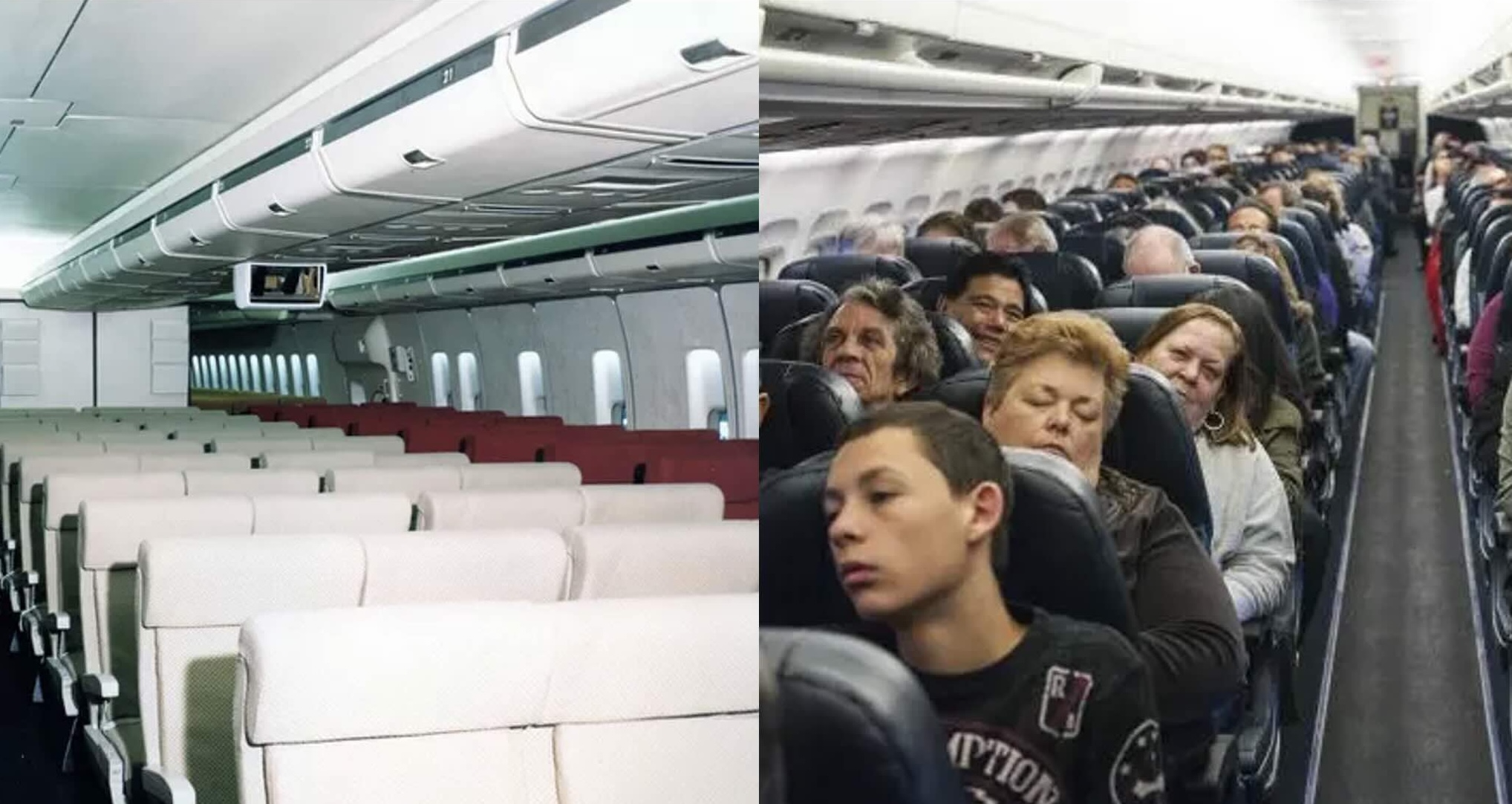
Photo: Boeing / The Orange County Register
We are living in a paradox. On one hand, we hold in our pockets devices more powerful than the computers that sent astronauts to the moon. On the other, a pervasive sense of decay touches nearly every facet of our daily existence. This is the "Technology Paradox": a world of hyper-connectivity that breeds deep loneliness, of medical miracles that are financially out of reach, and of endless information that fuels a crisis of trust. For no generation is this dichotomy more pronounced than Gen Z.
The data is painting a bleak picture. While experts separate quality of life into objective indicators (wealth, medicine) and subjective feelings (happiness, stress), the subjective signs are flashing red. A 2026 Gallup Poll revealed that Americans' hope for their future has dropped to its lowest annual measure in nearly two decades, with only 59% giving high ratings for their future lives. This sense of a hollowed-out future is a sentiment Gen Z knows intimately. A recent poll found that 62% of Gen Z expects their lives to be worse than those of previous generations—a staggering indictment of the world they are inheriting.
The Collapse of Everything: From Screens to Seats
The sense of things getting worse is not a vague feeling; it's a measurable reality in almost every corner of life. The phenomenon of "enshittification," a term for the gradual deterioration of online platforms, is now a lived experience. Social media, once a digital third space, has transformed into a shopping mall saturated with AI-generated content and algorithms designed to farm outrage and dopamine. The 2026 World Happiness Report directly correlates the rise of algorithmic feeds with a sharp drop in youth well-being, noting that passively scrolling through influencer videos damages mental health far more than actively messaging friends. The social connection promised by the internet has curdled into a crisis of "brain rot" and cognitive fatigue.
This decay extends far beyond the digital world into the physical one. The concept of a "third space"—a community hub like a park, library, or bowling alley—has been systematically dismantled. This disappearance, driven by rising real estate costs, municipal policies designed to discourage loitering, and the "pay-to-exist" economics of modern cafes, has stripped away the neutral ground where community is built. As these real-world spaces vanish, Gen Z has been pushed entirely into the digital void, spending an average of 5.1 hours a day on social media feeds that are actively making them more miserable.
- The Skimpflation of Goods: The 2025 Axios Harris Poll found 69% of Americans have noticed a decline in product quality, as companies replace durable materials with cheap synthetics (skimpflation) and shrink portion sizes while keeping prices the same (shrinkflation).
- The Claustrophobic Skies: In the 1970s, economy class had 35 inches of legroom. Today, it's often 30-31 inches, with "slimline" seats that feel like ironing boards, making air travel a test of endurance.
- The Fraying Social Fabric: The 2026 Singles in America Survey showed that nearly half of all American adults (46%) are single, driven by the high cost of dating and a profound "risk aversion" fostered by a lifetime of screen-based interaction.
The Broken Promises: A Generation Left Behind
The most devastating aspect of this multi-front collapse is that it is actively crushing Gen Z's entry point into adulthood. They are inheriting a "disposable economy" where clothes rip after two washes and smartphones slow down due to planned obsolescence. They are navigating a job market mired in "ghost jobs" and AI displacement, where one in three employers are actively replacing entry-level roles with algorithms. This broken pipeline means that Gen Z is the first generation to be less prosperous than their parents, a seismic shift that is rewriting the American Dream.
The traditional formula for success—get a degree, get a job, buy a house—is crumbling. The promise that hard work equals upward mobility feels like a cruel joke. Saddled with student debt and facing sky-high mortgage rates, Gen Z is redefining success away from material wealth toward "financial peace" and mental well-being. This has led to the rise of "loud budgeting," where young adults openly reject the pressure to spend on expensive social outings, and the "act your wage" movement in the workplace, where they fiercely protect their work-life balance. These are not signs of laziness but of survival.
The consequences are stark. Healthcare affordability has hit a breaking point, with a June 2026 West Health-Gallup poll showing that only 32% of young adults feel financially secure enough to afford needed care, a massive drop from 46% just a few years ago. This financial anxiety is compounded by an eroding trust in the institutions meant to guide them. Longitudinal data shows Gen Z reports the lowest levels of trust in government, corporations, and banks of any living generation.
The Path Forward: Reclaiming Reality
Despite the bleakness, there is a powerful pushback occurring. Gen Z is not passively accepting this fate. They are pioneering a major counter-cultural revolution, with 72% of young office workers considering dropping the corporate world for the stability of skilled trades—jobs that cannot be replaced by AI. They are rebuilding community offline through run clubs, walking groups, and library makerspaces. They are rejecting the algorithms by deleting accounts, switching to dumbphones, and embracing "solo maxing"—choosing financial stability over a mediocre relationship.
In the face of a system designed to extract their attention and money, Gen Z is learning to look away. They are thrifting clothes, repairing their own gear, and building a new definition of success based on human connection and peace of mind. The system may be rigged, but the fight for a better quality of life—one not dictated by a microchip—is only just beginning.
No Ads. By Us. For Us.
This article was made possible by readers like you. We hope it inspired you to support Emerald Book, so we can continue producing content like this.
We will never show you ads, sell your data, or require a subscription to consume our content. Your gift helps us keep the truth accessible.
Click the Support button to give a gift of any amount today.
Thank you for making this work possible.