

Emerald Pages
◆
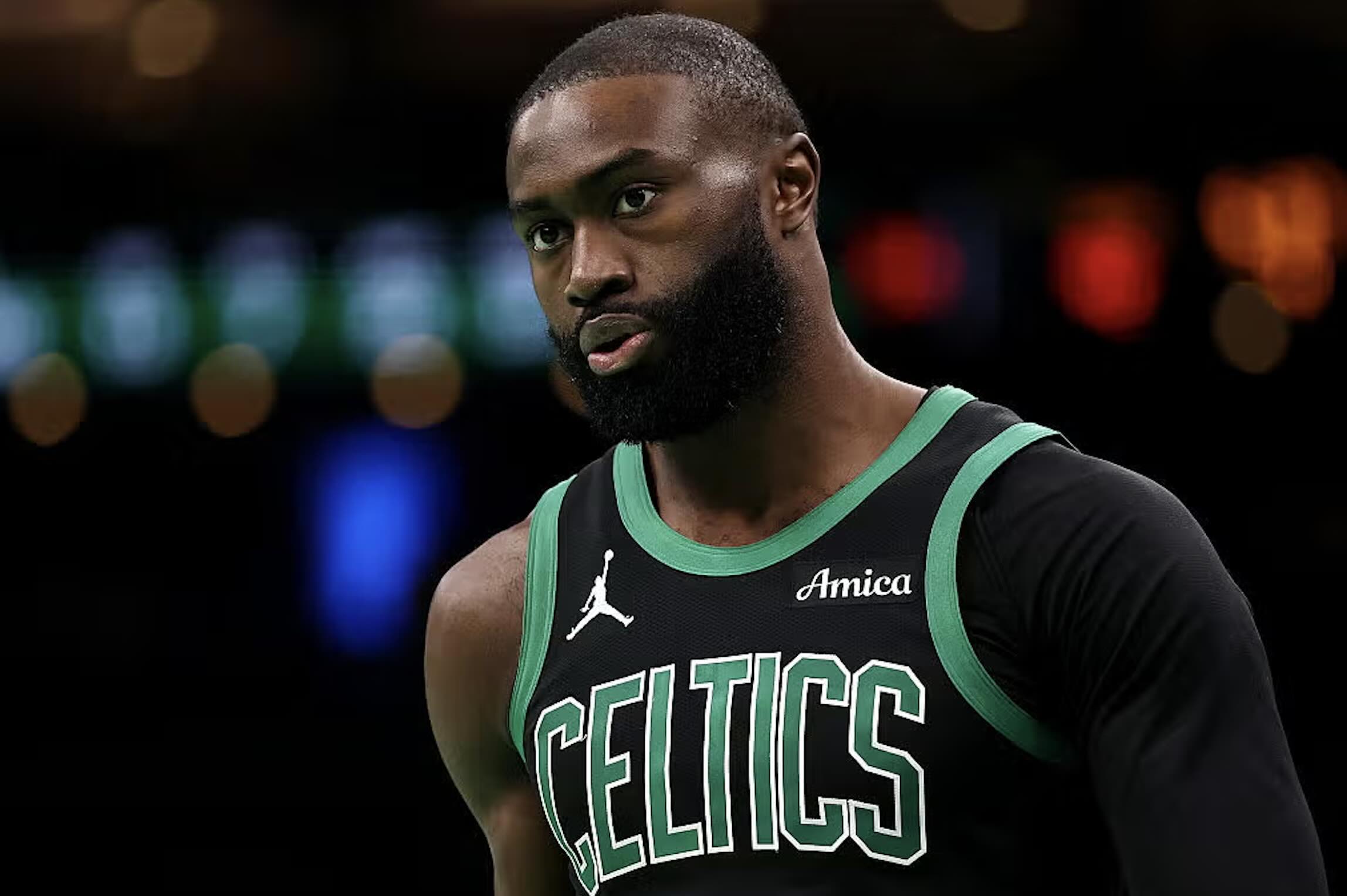
Photo: Getty Images
It looked like they simply didn't care. A generational athlete signs a $200 million contract, and the world watches them buy luxury cars and multi-million dollar mansions. Meanwhile, the neighborhoods they came from continue to struggle, starved for investment and opportunity. The narrative is simple: they got theirs and turned their backs on their communities.
However, as 76ers star Jaylen Brown recently revealed in a Twitch livestream, the reality is far more sinister. Brown didn't just call out his peers' hesitancy; he exposed the powerful, behind-the-scenes corporate machinery that actively discourages athletes from investing in Black-owned businesses and infrastructure. This isn't a story of personal greed, but of systemic economic engineering.
For decades, this illusion of abandonment has been carefully crafted by a multi-billion-dollar sports and entertainment industry. The truth is that young, wealthy Black athletes haven't been turning their backs on their communities—they've been trapped in a system designed to ensure their money never makes it home.
The Core Economics: "No Profit, No Priority"
The primary mechanism of control is simple economics. Traditional sports agencies and financial managers operate on a commission-based model. They earn a percentage of the revenue from an athlete's contract, endorsements, and asset portfolio. When a player expresses a desire to fund a community incubator, invest in a Black-owned bank, or support a local business hub—as Brown is doing with the Boston XChange—they are met with resistance. The reason is straightforward: these types of investments offer zero direct financial return for the agent or handler.
Setting up complex community investments requires extensive legal work and time, yet generates no transaction fee or commission for the agent. Every hour spent on community projects is an hour not spent negotiating shoe deals or tech investments, which yield direct profits for the agency. Furthermore, the primary goal of traditional handlers is to extract maximum revenue during a player's short career. Long-term community wealth building simply doesn't fit into this short-sighted profit model, making it an unattractive proposition for those managing the athlete's finances.
The Bait and Switch: What They Are Encouraged to Do
Instead of structural community investment, handlers push athletes toward a specific, controlled playbook. This playbook ensures the athlete's capital remains within corporate systems, making it easier for financial institutions to siphon off fees and keep the player dependent on the agency.
Athletes are strongly encouraged to park their money in traditional Wall Street portfolios—broad-market index funds and bonds that require zero active management. This allows wealth management firms to collect an annual Assets Under Management (AUM) fee, typically around 1%. On a $50 million portfolio, that translates to a effortless $500,000 yearly fee for the firm. In terms of philanthropy, handlers favor low-risk "optics" giving, such as holiday toy drives and youth sports camps. While these events provide excellent public relations for corporate sponsors, they do nothing to build lasting economic independence in the community.
When it comes to real estate, athletes are steered toward mainstream commercial properties like luxury hotels or strip malls. While seemingly smart on the surface, these investments are managed by corporate firms and keep the player tethered to the mainstream financial system. The underlying strategy is to transform a young athlete into a compliant corporate brand, parking their wealth where it's quiet, safe for sponsors, and easy for institutions to skim from.
A Widespread, Industry-Wide Phenomenon
This dynamic is not isolated to the NBA; it's the standard operating procedure across all major professional sports and the entertainment industry. In the NFL, where the average career lasts just 3.3 years, the pressure to extract revenue is immense, leading nearly 16% of players to file for bankruptcy within 12 years of retirement. European soccer faces a similar crisis, with organizations like Xpro estimating that up to 60% of former Premier League players experience severe financial distress within five years of retirement.
The entertainment industry operates under the same exploitative framework. "360 deals" trap artists in cycles of debt, while Hollywood handlers systematically isolate young creators from understanding their own wealth, as exemplified by the well-documented experiences of legends like Prince. The result is a bleak reality where the wealth generated by Black talent is funneled directly out of Black communities and into white-owned financial institutions, leaving the athletes themselves financially fragile.
The Illusion of Abandonment
This is why the public narrative is so tragic. The media, which is itself a part of this corporate web, has historically been eager to highlight athletes' "reckless" spending on mansions and jewelry while asking, "Why aren't they helping their communities?" The media coverage was a misdirection. The handlers encouraged those luxury purchases because they were easy to track, didn't threaten corporate structures, and kept the player dependent. By hyper-focusing on flashy spending, the system hid the fact that advisors were actively killing any real attempt to invest in Black-owned businesses.
The "shut up and play" mentality, weaponized by media personalities like Colin Cowherd, is a tool to silence athletes who push back. As Brown stated, the moment an athlete tries to create generational wealth and build a modern "Black Wall Street," the system retaliates with negative narratives designed to damage their marketability. The truth is that athletes didn't turn their backs on the community—they were trapped in an economic cage. The silence of the mainstream media is a structural requirement of the very system that profits from their exploitation.
No Ads. By Us. For Us.
This article was made possible by readers like you. We hope it inspired you to support Emerald Book, so we can continue producing content like this.
We will never show you ads, sell your data, or require a subscription to consume our content. Your gift helps us keep the truth accessible.
Click the Support button to give a gift of any amount today.
Thank you for making this work possible.