

Emerald Pages
◆
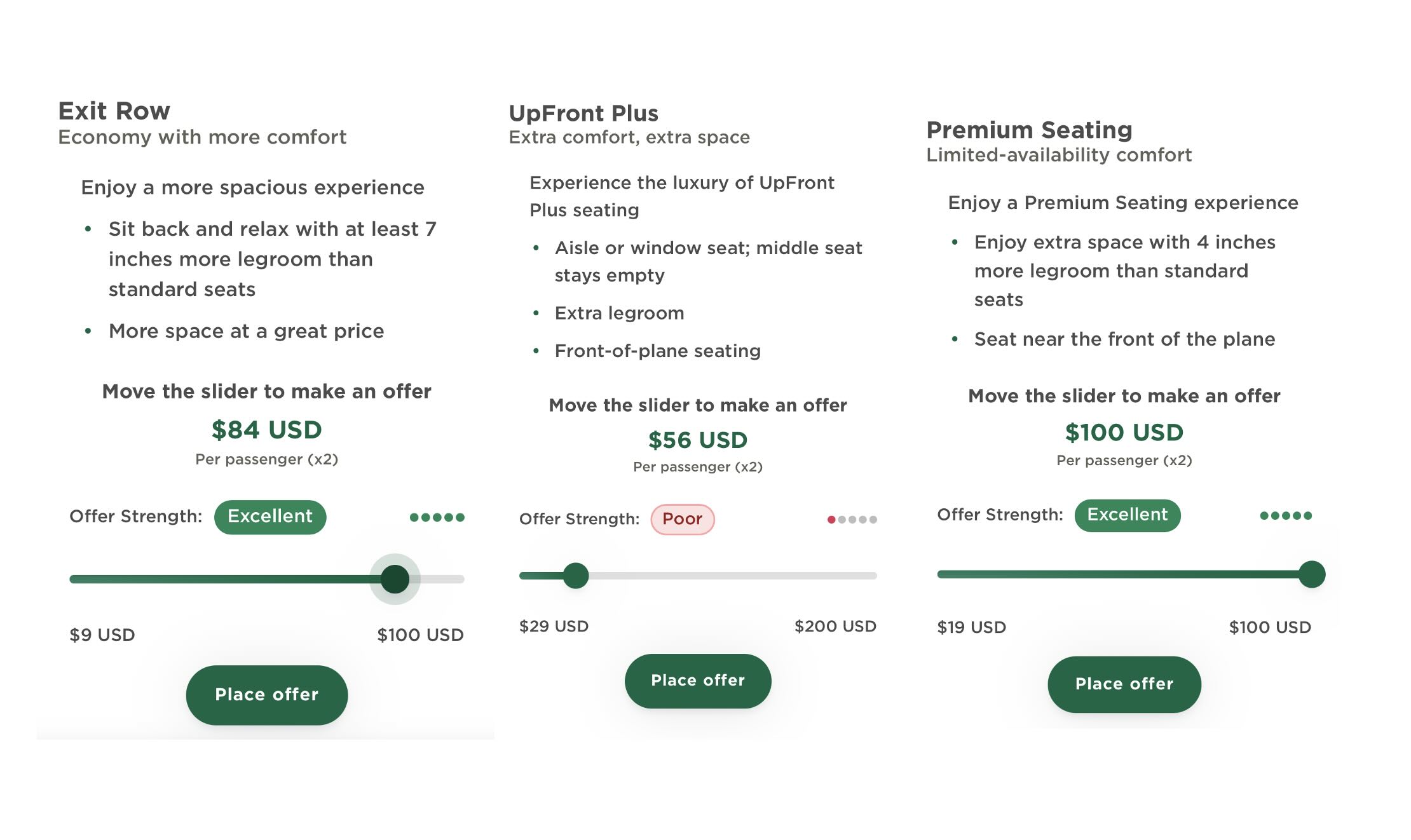
Photo: Emerald Book Image
The travel industry's shift toward "unbundled" fares, where a ticket is stripped down to the absolute minimum, has created a new era of price deception. On the surface, a $39 flight to Orlando seems like a miracle for a family on a budget. However, the reality of airlines like Frontier is often a gamified, high-pressure system designed to squeeze every possible dollar from passengers once they are psychologically committed to their trip.
As the 2026 summer travel season winds down, one of the most insidious practices continues to fly under the radar: the upgrade auction. While major newspapers occasionally cover these programs as quirky revenue management tools, the lived experience of the average traveler reveals a predatory structure that specifically targets price-sensitive consumers, turning a simple flight into a high-stakes gamble.
Frontier Airlines operates a program called "Bid for Upgrade," an auction-style system where passengers can offer a price to move to premium seats like UpFront Plus, which offers extra legroom with a guaranteed empty middle seat. While the airline frames this as an opportunity for travelers to score a deal, the mechanics of the system reveal a sophisticated trap designed to extract maximum revenue from passengers who are already committed to their travel plans.
The Bait-and-Switch Strategy
The core of the problem lies in the "drip pricing" tactic. Frontier uses the bidding system to capitalize on the sunk-cost fallacy, the psychological phenomenon where people continue investing in something because they've already committed resources to it. Once a traveler has booked a ticket—especially a low-income traveler for whom every dollar counts—the airline unleashes a barrage of psychological triggers designed to extract more money. The "bid strength meter" mimics a slot machine graphic, creating the illusion of control and making passengers feel they can manipulate their odds by throwing just a little more money into the pot.
The system also weaponizes the Fear of Missing Out, or FOMO. Emails warn passengers they might lose out on comfort, triggering anxiety and causing them to overbid. Travelers frequently find themselves blindly bidding $60 for an upgrade that the airline is currently selling directly for $45. If the bid wins, they are locked into the higher price, effectively paying more for a seat they could have purchased cheaper upfront. For families, the hidden multipliers are particularly devastating. A $50 bid per person becomes a $100 charge for two people, meaning buying the upgrade directly at checkout is often cheaper per person than winning the auction.
Who is Being Squeezed?
The controversy deepens when analyzing the demographic profile of the typical Frontier customer. While budget airlines serve a broad range of people, they are known to rely heavily on price-sensitive, lower-income consumers who cannot afford standard legacy tickets. Critics point out that the business model creates an uneven dynamic for these travelers, essentially baiting them with low fares and then exploiting their financial vulnerability through a gauntlet of optional fees and psychological games.
The airline engineers discomfort—by minimizing legroom and making the basic experience unpleasant—and then charges a premium to escape it. By forcing passengers to compete against each other in an anonymous auction instead of offering a clear, flat price, Frontier actively exploits the psychology of competition to push people to spend money they may not have. The system turns a normal travel experience into a high-stakes guessing game where the traveler rarely comes out ahead.
How to Beat the System
The best way to handle this predatory business model is to refuse to play the game entirely. If you are forced to fly Frontier due to your budget, you must treat the airline like a strict adversary. Delete any email that mentions "bidding," "upgrades," or "securing your seat." These messages are designed to trigger anxiety and impulsive spending, so removing them from your inbox removes the temptation to engage.
When packing, follow the "One Backpack" Rule: pack strictly within the free "personal item" dimensions of 18 inches by 14 inches by 8 inches to bypass their expensive baggage fees. You can purchase a backpack specifically designed to fit these exact dimensions. During check-in, skip the seat map entirely. Decline every prompt for seat selection, priority boarding, and flight flexibility. Let the computer give you a random seat for free at check-in. The airline is legally obligated to give you a seat on the plane at no additional cost.
By understanding that the system is built to squeeze you, you can intentionally pack light, refuse the add-ons, and take advantage of the cheap base fare without giving them an extra dime. The moment you compromise and buy even one extra, the trap snaps shut. However, if you strictly follow these rules, you will actually fly for the advertised cheap price, effectively beating the airline at its own game.
No Ads. By Us. For Us.
This article was made possible by readers like you. We hope it inspired you to support Emerald Book, so we can continue producing content like this.
We will never show you ads, sell your data, or require a subscription to consume our content. Your gift helps us keep the truth accessible.
Click the Support button to give a gift of any amount today.
Thank you for making this work possible.