

Emerald Pages
◆
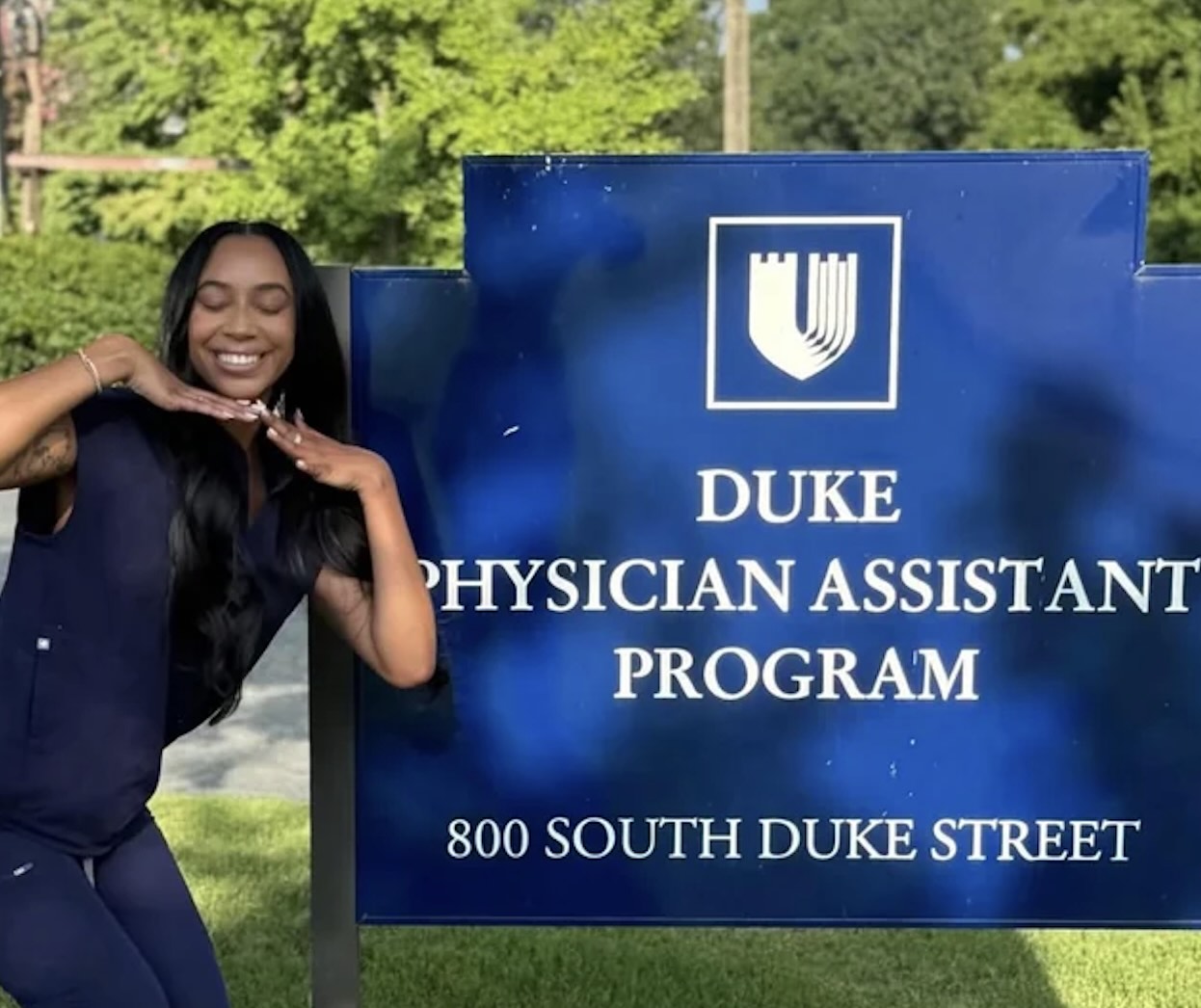
Photo: @theangelvic | TikTok
When the news broke that Angel Victoria Murdock—a 26-year-old social media personality and former Netflix reality star—had been faking her enrollment in the prestigious Duke University Physician Assistant program for nearly two years, the internet erupted. She had amassed hundreds of thousands of followers by wearing scrubs, filming fake clinical "Get Ready With Me" videos, and using custom-made, fake Duke Hospital badges. She was caught only because a tiny cohort of 89 real students noticed her graduation hood was the wrong color.
The initial shock is understandable. The deception was elaborate, brazen, and deeply cynical. She bought medical equipment as props, drove to campus to film content, and leveraged her reality TV appearance to validate a lie. But if you think Murdock is the worst of what social media has to offer, you are not looking closely enough. The real disease is the economic architecture of the platforms themselves, which are functionally designed to reward fraud.
She gave the brands exactly what they were shopping for: cheap, highly engaged eyeballs. Brands are ultimately judged on Key Performance Indicators like views, clicks, and impressions. If an influencer can deliver those metrics, the marketing department hits its targets. The system's incentive is to look the other way, using third-party agencies as a buffer for "plausible deniability."
A History of High-Stakes Impersonation
Murdock's story is viral, but historically, and even right now, there are far more prominent examples of individuals who have faked high-stakes professional credentials—and made millions of dollars doing it.
Take the case of Belle Gibson, the Australian wellness influencer who built a massive empire in the mid-2010s by claiming she had cured her terminal brain cancer through clean eating. She launched a successful recipe app, The Whole Pantry, and secured a global book deal with Penguin. It was later revealed she never had cancer. She had made over $1 million and defrauded readers who were looking for hope. She represents a far more dangerous precedent than Murdock: faking a medical identity to give dangerous health advice, not just sell makeup.
Then there is the case of Malachi Love-Robinson, the 18-year-old who, in 2016, forged credentials to open an actual medical clinic in Florida. He stole tens of thousands of dollars from patients during house calls and defrauded other doctors. Unlike Murdock, he wasn't just faking a persona for the 'gram; he was actively impersonating a doctor in the real world, putting lives at risk.
The New Frontier: AI-Generated Scams
The latest evolution is even more chilling. In 2025 and 2026, the internet saw a surge in coordinated medical deception using AI. Scammers are now creating hyper-realistic AI-generated medical influencers to pull in massive cash.
- AI "Deepfake Doctors": Using avatar apps, scammers generate fake, photorealistic "physicians" (like a fabricated gynecologist known as the "coochie doctor") to tell millions that traditional medicine is broken, funnelling them to specialized supplement scams.
- The "Emily Hart" Phenomenon: In early 2026, an international student created a fictional persona named "Emily Hart"—presented as a 22-year-old American nurse who posted pro-MAGA commentary. The creator put her behind a paywall, driving thousands of followers to pay for exclusive content with a person who never existed.
- AI Hijacking: Scammers are using AI to hijack the faces of real medical figures, like TikTok's Doctor Mike, to push unproven products to vulnerable populations.
These AI-powered networks run thousands of automated video ads across TikTok and Meta, operating multi-million dollar rings that are almost impossible to trace. Murdock's problem wasn't that she lied; it was that she had poor execution. By pretending to go to a highly selective program with only 89 students, she guaranteed someone would blow the whistle. If she had claimed to be in a massive online program, she might still be collecting checks today.
Structural Designed for Deception
Why does this keep happening? Because the social media business model actively encourages them. A video of a real medical student exhausted and quietly reading is boring. A highly edited video of an influencer in perfectly fitted scrubs with upbeat music gets millions of views. Platforms boost the glossy, performative version of reality because it keeps users scrolling longer.
Platforms like Meta and X sell verification checkmarks for a monthly subscription. Anyone with a credit card can buy a badge of authority, completely destroying the average user's ability to distinguish between an official public figure and a random user.
Under current laws (like Section 230 in the U.S.), platforms are generally not held legally responsible for the lies told by their users. Because tech companies face no financial penalties for housing frauds, they have no financial incentive to build aggressive credential-checking systems.
Social media is no longer just a collection of status updates. It is a highly commercialized entertainment industry where individuals act as production studios. Influencers audition for a "niche" (the woman in medicine, the finance bro) and have to stay in character. If their real life doesn't match the character, they fabricate a reality to keep the production going.
Ultimately, Angel Victoria Murdock is just the tip of the iceberg. She is a cautionary tale not because she was uniquely evil, but because she was sloppy. The system will continue to churn out these stories until the economic incentives change, or until the platforms are finally held accountable for the digital costumes they allow their users to wear.
No Ads. By Us. For Us.
This article was made possible by readers like you. We hope it inspired you to support Emerald Book, so we can continue producing content like this.
We will never show you ads, sell your data, or require a subscription to consume our content. Your gift helps us keep the truth accessible.
Click the Support button to give a gift of any amount today.
Thank you for making this work possible.