

Emerald Pages
◆
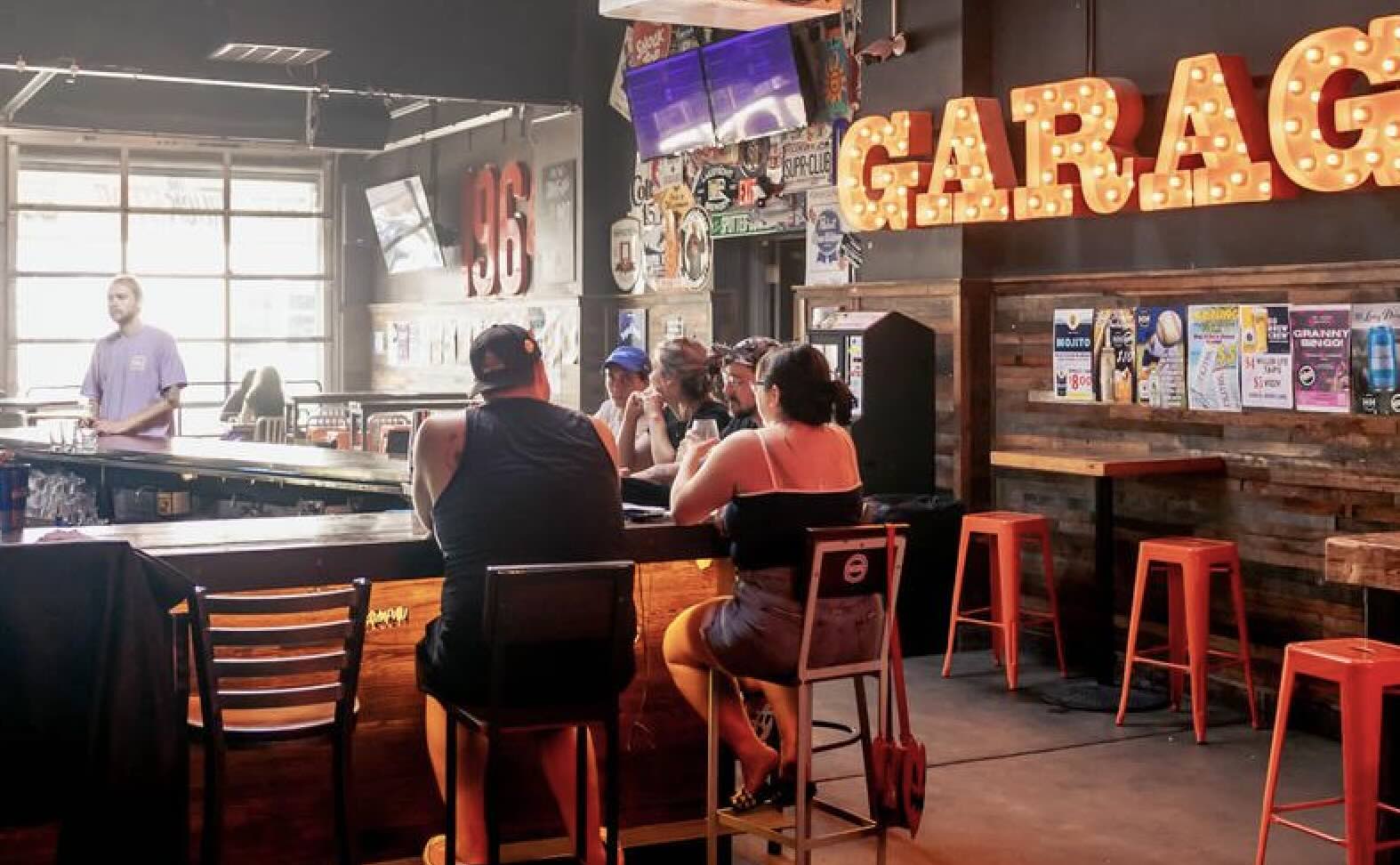
Photo: The Garage
The Garage, a popular bar on Brady Street—has found itself at the center of a national controversy, forced to temporarily close its doors after a leaked "no play list" exposed a policy that many community members and activists have condemned as racist.
The controversy erupted after a laminated list from the bar's DJ booth went viral online. The list banned 41 specific mainstream Black hip-hop artists—including Lil Wayne, Future, and Travis Scott—and explicitly stated "NO MILWAUKEE RAP" in bold, all-caps letters. A leaked text message from a manager to DJs, obtained by TMJ4 News, confirmed the directive came with a threat: "failure to comply will result in loss of gigs."
The public outcry was immediate and severe. Local artist Ishmael Ali (Ishtar) posted a video of the list on TikTok, which amassed over 850,000 views in less than 48 hours. High-profile artists like Sexyy Red mocked the bar on social media, posting: "At least y'all know I'm number one." The bar's Instagram and Google reviews were flooded with one-star ratings and calls for boycotts, forcing the owners to turn off comments on their social media pages.
A History of 'Systemic Racism' in Milwaukee
The backlash was so intense because it resonated with Milwaukee's deep-seated history of systemic racism. The city is routinely ranked as one of the most racially segregated metropolitan areas in the United States. This segregation is the result of explicit 20th-century policies, including racially restrictive housing covenants that barred Black people from owning homes in certain neighborhoods, and federal redlining that made it impossible for Black families to secure mortgages.
Today, these historical disparities are stark. Black residents make up approximately 38.5% of Milwaukee's population—around 215,000 to 220,000 people—yet the city faces some of the widest racial economic gaps in the nation, with the Black poverty rate nearly five times higher than the white poverty rate.
- Hyper-Segregation: The Great Migration and subsequent "white flight" funneled Black residents into the North Side while suburbs remained overwhelmingly white.
- Economic Disparity: Wisconsin incarcerates Black men at one of the highest rates in the U.S., concentrated in a few Milwaukee zip codes.
- Nightlife Gatekeeping: Brady Street and other districts have historically faced scrutiny for using selective dress codes to filter out patrons of color.
The Employee's Explanation & The Double Standard
In an attempt to mitigate the damage, co-owner Leslie Montemurro issued a public statement claiming the list was created by a single employee and was never approved by ownership. The employee's stated goal was to eliminate music featuring lyrics about "violence or guns" to create a more relaxed atmosphere.
However, this explanation immediately fell apart under scrutiny. Critics and local artists pointed out that if the goal was truly to filter violence, the list should have banned specific songs across all genres. Instead, it exclusively restricted Black performers while ignoring violent themes in rock and country music.
"If the plan is to make it a safer place, actually come up with a safety plan," said local artist Chapelle, reflecting the community's frustration. The blanket ban on "NO MILWAUKEE RAP" meant that even local artists creating positive, non-violent music were excluded from the venue simply for being part of the city's hip-hop culture.
While ownership denied commissioning the list, the leaked text messages undermined their defense, showing that a manager invoked the owners' authority to enforce the ban. The employee claimed they were trained to say directives came from "ownership" to ensure staff took them seriously—a detail that left the community highly skeptical.
The Aftermath: Closure and Community Response
The overwhelming wave of outrage made it impossible for The Garage to operate on Brady Street. The owners announced the bar would close for two weeks. In an email to staff, they stated employees would be compensated during the shutdown, giving the owners time to address internal policies and attempt to mend relations with the local community.
The incident has also placed a spotlight on other venues in the area. Neighboring businesses on Brady Street have faced pressure to clarify their own booking policies, and several have publicly distanced themselves from the incident, reaffirming their support for diverse crowds and local hip-hop.
Ultimately, what began as a list meant to remove "violent lyrics" ended up being a list of exclusively Black artists. To the residents of one of the most segregated cities in America, the list was not a mishap of a rogue employee, but rather a continuation of a painful history of discrimination disguised as a "safety policy."
No Ads. By Us. For Us.
This article was made possible by readers like you. We hope it inspired you to support Emerald Book, so we can continue producing content like this.
We will never show you ads, sell your data, or require a subscription to consume our content. Your gift helps us keep the truth accessible.
Click the Support button to give a gift of any amount today.
Thank you for making this work possible.