

Emerald Pages
◆
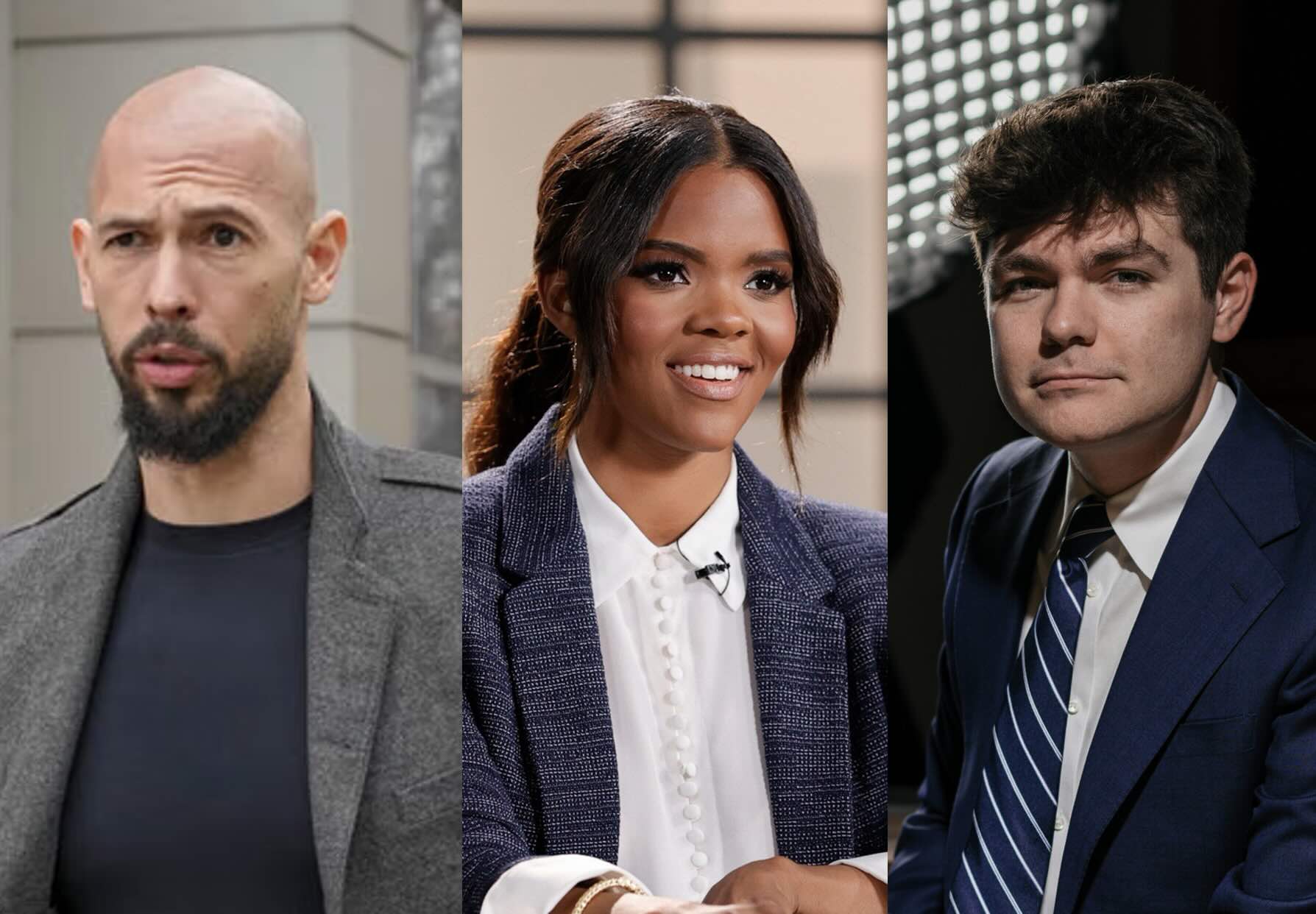
Photo: Emerald Book Image
The modern hate economy is not a phenomenon of social media, but the perfection of it. Before algorithms and viral loops, the economy for hate was a lucrative but slow-moving enterprise, requiring printing presses, radio towers, and physical supply chains. While the Ku Klux Klan operated a multi-million dollar franchise in the 1920s and Father Coughlin monetized radio antisemitism, the financial model was fundamentally constrained by high friction. It required immense capital and moved at the speed of the postal service. The transformation from this analog era to today's instant outrage machine can be traced to a singular innovation: YouTube's creation of an automated, frictionless payment pipeline for human attention.
Long before a teenager in their bedroom could make a living from extremism, hate was a high-capital, high-risk venture. As the records of the pre-digital era show, generating a financial incentive from hatred required physical distribution networks, media monopolies, and direct-to-consumer merchandising. Figures like Henry Ford subsidized global antisemitic campaigns through their corporate empires, while direct-mail pioneers like Richard Viguerie raised tens of millions by mailing terrifying letters. However, these operations were reliant on expensive physical logistics. The financial loop took weeks or months: a letter was written, printed, mailed, read, and then a check was mailed back. This structural slowness and the high barrier to entry meant that the hate economy was the exclusive domain of the wealthy elite and institutional powerhouses.
The analog hate economy was immensely wealthy, but it was highly concentrated, exclusive, and structurally slow. The second Ku Klux Klan of the 1920s operated as a highly profitable corporate pyramid scheme, generating what would be hundreds of millions of dollars today adjusted for inflation. The leadership owned printing presses, controlled real estate, and bribed governors. Henry Ford's Dearborn Independent reached a peak circulation of 900,000 copies, backed by the vast industrial fortune of Ford Motor Company, which used its network of car dealerships to distribute the newspaper. Direct-mail syndicates of the 1970s and 1980s raised tens of millions annually by building massive databases of physical addresses and sending terrifying letters about minority groups or social changes. The money was there, but the velocity was slow and the barriers to entry were insurmountable for the average person.
The game changed in 2007 with the launch of the YouTube Partner Program (YPP). For the first time, YouTube offered to split ad revenue 55/45 with everyday creators. It built the world's first automated system that turned offensive, polarizing, and hateful content directly into monthly cash payouts. A creator didn't need to pitch a sponsor or sell merchandise. They simply flipped a switch to "monetize video," and YouTube's backend system automatically pasted advertisements from major global brands onto their content. This was the fundamental leap. Hate was no longer a business for the wealthy; it became a frictionless gig-economy accessible to anyone with a webcam and an internet connection.
The Algorithmic Outrage Loop
YouTube provided the financial infrastructure, and its algorithm provided the fuel. In 2012, the platform tuned its algorithm to prioritize "Watch Time" over simple clicks. The algorithm quickly realized that grievance-driven rants, conspiracy theories, and radicalizing content kept users hyper-engaged and watching for hours. A perfect, self-reinforcing financial loop was created: a creator posts a highly controversial video, the algorithm notices it drives massive watch time and comments, it pushes the video to more viewers, which serves more ads, which generates more revenue for both YouTube and the creator. This is how the system operationalized and automated a financial reward for outrage.
The architecture of this loop was a turbocharged version of the old direct-mail "outrage loop." In the past, political entrepreneurs had to manually curate mailing lists to scare people into writing checks. Now, YouTube's algorithm did the targeting automatically, delivering hateful content to users based on their behavioral data and keeping them glued to the screen. The friction was eliminated. The result was the billion-dollar outrage engine, where even corporate advertisements from major brands were unknowingly funding the very content their marketing departments would abhor.
- Zero Upfront Capital: Unlike the printing presses and radio towers of the past, a creator needed only a smartphone and free Wi-Fi.
- Hyper-Targeted Delivery: The algorithm "pushed" radical content to users instead of requiring them to "pull" it, solving the hate economy's biggest problem: customer acquisition.
- Instant Monetary Validation: The 55/55 revenue split created a direct, structural financial incentive to preach hatred for an automated, global audience.
- Frictionless Micro-Transactions: Digital platforms introduced tools like Super Chats and tips, allowing users to send instant micro-donations with a single tap.
This digital architecture proved so powerful that it birthed a new financial archetype: the "ideological grifter." Figures like Andrew Tate didn't invent the system; they merely optimized it. Tate's business model is the purest expression of the YouTube-era formula. He used social media platforms as a free, automated marketing funnel to drive traffic into his own private subscription empire. Through his platform The Real World (formerly Hustler's University), Tate amassed nearly 800,000 paying users at $49 a month, generating millions monthly. When mainstream platforms banned him, his affiliate army—tens of thousands of fans acting as a decentralized marketing machine—continued to flood YouTube Shorts, TikTok, and Instagram with his content, proving the algorithm was so hardwired for his high-engagement outrage that the platforms couldn't stop themselves from distributing it. Tate's exclusive streaming deal with Rumble was reportedly worth $9 million, and his Substack newsletter alone pulls in an estimated £165,000 (~$215,000 USD) annually from a baseline entry tier.
The ideological grifter archetype extends beyond Tate. Candace Owens, operating her own independent media umbrella (Candace Owens LLC), generates up to $10 million in revenue per year by weaponizing conspiracy-driven narratives. Following her split from mainstream conservative outlets, her premiere broadcast questioning the assassination of Charlie Kirk racked up over 9 million views on YouTube, drastically spiking her algorithmic ad payout and driving thousands into her private subscription group, Club Candace. Similarly, explicitly ideological figures like Nick Fuentes have turned streaming into a financial empire. A comprehensive Washington Post audit revealed that between January 2025 and March 2026, Fuentes pulled in nearly $900,000 solely through "superchats" (paid on-screen comments) from roughly 11,000 followers, with just 10 hyper-radicalized "whale" accounts responsible for $77,000 of that total. Fuentes also runs a private membership club charging $100 a month for exclusive chat access.
The 2017 Adpocalypse and Its Aftermath
The system's blind spot was laid bare during the 2017 "Adpocalypse." Investigative journalists revealed that advertisements for mainstream brands like AT&T, Verizon, and the UK Government were running directly alongside white supremacy, anti-Semitism, and terrorism recruitment videos. Major corporations pulled hundreds of millions of dollars in ad spend, forcing YouTube to scramble and introduce demonetization filters. However, the structural blueprint had already been set. YouTube had already proven that user-generated anger could make both the platform and the creator millionaires. The system was already too profitable to dismantle.
The modern landscape, dominated by platforms like X, has only evolved this model further. X is now the structural center of the modern hate economy, but it has institutionalized what YouTube did accidentally. Under Elon Musk's leadership, X launched Creator Revenue Sharing, paying Premium subscribers directly based on engagement in their replies. This created a toxic financial loop: a creator posts an inflammatory claim, thousands rush to comment, and X serves ads between the replies, cutting a check to the original poster. In 2026, X announced a shift to Original Content Rewards, focusing payouts on original video and commentary from Premium users, effectively professionalizing the hate economy. This forced a competitive domino effect, with Meta rolling back its content moderation to compete for engagement, causing a massive surge of unmoderated radical content across Instagram and Threads.
The modern hate economy has entered a corporate phase. The underground outcasts have been replaced by high-production media companies. Charlie Kirk's Turning Point USA grew annual revenue to $85 million by 2024, fueled by a network of over 500,000 donors and viral campus confrontations designed to generate small-dollar donations and justify massive checks from billionaire mega-donors. The Turning Point Endowment held over $69 million in assets. By making hate frictionless to profit from, YouTube created a permanent, trillion-dollar architecture for division where platforms quietly absorb the true lions' share of the wealth while individual creators and institutional players cash out on subscriptions, merch, and direct viewer donations at an unprecedented scale.
No Ads. By Us. For Us.
This article was made possible by readers like you. We hope it inspired you to support Emerald Book, so we can continue producing content like this.
We will never show you ads, sell your data, or require a subscription to consume our content. Your gift helps us keep the truth accessible.
Click the Support button to give a gift of any amount today.
Thank you for making this work possible.