

Emerald Pages
◆
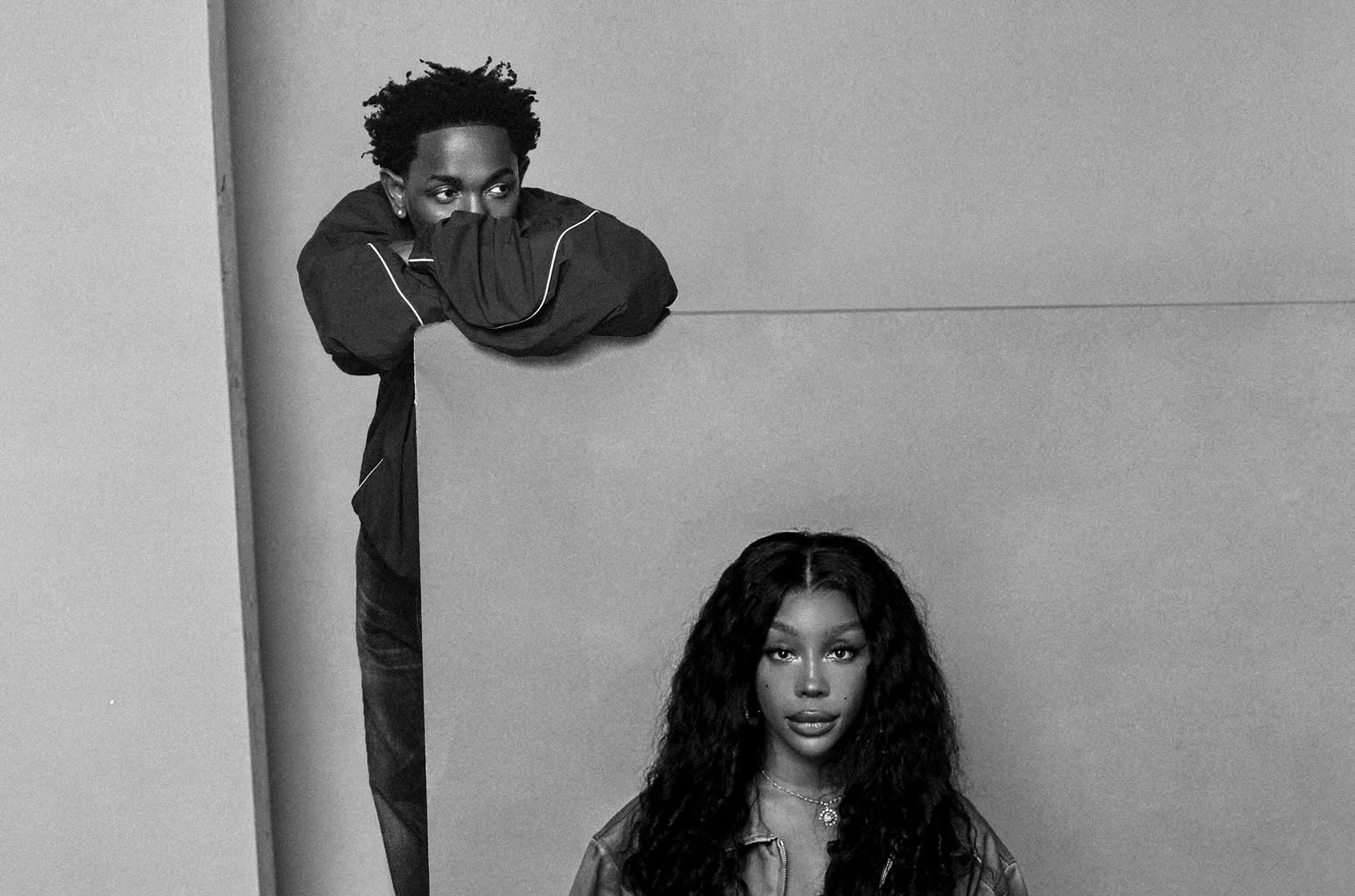
Photo: Andre D. Wagner | Billboard
In late October 2025, a seismic shift rippled through the music industry, though few casual listeners noticed. For the first time in 35 years, the Billboard Hot 100's elite Top 40 contained not a single rap song. While the internet and radio continued to bump tracks from artists like Kendrick Lamar, SZA, NBA YoungBoy, and Cardi B — with "Shot Callin'" and "Safe" remaining on the broader Hot 100 — the official arbiter of musical success declared that hip-hop had, for that moment, lost its grip on the mainstream. But the story is not one of cultural decline; it is a meticulously engineered corporate heist.
The absence of rap from the Top 40 wasn't an accident or a reflection of changing tastes. It was the result of a cold, calculated series of rule changes, data-tweaking, and financial warfare by a handful of media conglomerates. The objective was simple: break the stranglehold of organic, long-lasting hip-hop hits to make way for a faster, more profitable, and more easily controlled assembly line of pop and country music. By understanding the specifics of these changes, we can see the industry's hand in crafting a reality that serves its bottom line over the voices of the people.
The primary weapon in this corporate assault was a revised "recurrent" rule. To combat chart stagnation caused by streaming — where popular songs were staying on the Billboard Hot 100 for up to two years because fans kept streaming them on loop — Billboard implemented an aggressive, automated purge. The new rules established three strict thresholds: songs below No. 50 after 20 weeks would be removed; songs below No. 25 after 26 weeks would be removed; and songs below No. 10 after 52 weeks would be removed. The immediate casualty was Kendrick Lamar and SZA's "Luther," a massive hit sitting comfortably at No. 38 during its 46th week on the chart. Under the old system, it would have stayed in the Top 40. Because it was older than 26 weeks and below No. 25, the new rule forced its immediate removal. This created a vacuum in the Top 40 that no new rap tracks were positioned to fill.
The Two-Phase Corporate Takeover
This wasn't a single event but a coordinated two-phase attack designed to systematically dismantle hip-hop's chart dominance. The first phase was the rule change itself, implemented in October 2025. The second was a decisive shift in data weighting that favored paid subscription services over free, ad-supported ones. This double blow effectively silenced the voices of the everyday listener.
Phase 1: The Great Eviction (October 2025)
The new recurrent rules, which went into effect on the chart dated October 25, 2025, were a direct response to a problem that only existed for corporate accountants: songs were staying popular for too long. Teddy Swims' "Lose Control" lingered for over two years, and Drake's hits seemed semi-permanent. To the corporations, this was clogging the pipeline. Billboard's Managing Director of Charts and Data Operations, Keith Caulfield — who has spent over two decades evolving the rule structures of both the Hot 100 and the Billboard 200 — led the tabulation team in implementing these changes. By forcing these songs off the chart based on a calendar, not a drop in popularity, Billboard ensured a constant churn. This churn is essential for major labels to sell new albums, for streaming platforms to push new playlists, and for media outlets to have new headlines. The rule was designed to clear "chart congestion" and keep the chart dynamic for advertisers, radio curators, and media partners who rely on the Hot 100 to discover what is actively trending.
Phase 2: The Weighted Scale (December 2025)
Just as the industry braced for the impact of the evictions, Billboard announced another change on December 16, 2025, set to take effect in January 2026: on-demand streaming from premium, paid subscription services would be given more weight than ad-supported streams. Since hip-hop fans heavily consume music on free platforms like YouTube — a staple for the genre's discovery and replay culture — this change effectively devalued their listening habits. Meanwhile, pop fans, who are more likely to hold a Spotify Premium or Apple Music subscription, saw their streams become more powerful. This wasn't an accident; it was a direct financial incentive to push listeners into paid, high-margin ecosystems owned by the same corporate giants.
- 20-Week Rule: Songs falling below No. 50 after 20 weeks are automatically removed from the chart.
- 26-Week Rule: Songs falling below No. 25 after 26 weeks are automatically removed — this evicted Kendrick Lamar's "Luther" from No. 38.
- 52-Week Rule: Songs falling below No. 10 after 52 weeks are automatically removed from the chart entirely.
The result of these maneuvers was a Top 40 that no longer reflects what the nation is actually listening to, but rather what the industry wants them to listen to. The math was engineered to ensure that a new, front-loaded pop single could climb the charts without having to compete with a year-old rap hit that real fans were still streaming millions of times a day. This artificial acceleration protects the labels' massive marketing budgets and continuous rollouts for new album campaigns.
Who Benefited from the Heist?
The primary beneficiaries are the subscription-based streaming giants like Spotify Technology S.A., Apple Inc. (Apple Music), and Amazon.com, Inc. (Amazon Music), which rely on converting free users into paying customers. By making paid streams more powerful, Billboard acted as a marketing arm for these tech behemoths. The labels themselves profit from a faster churn. A year-old hit generates royalties, but a constant cycle of new releases generates massive upfront sales, merchandise deals, and tour announcements. The "recurrent" rule essentially forced the public to move on, whether they wanted to or not.
The YouTube blackout in January 2026 served as the most damning evidence of the fix. After Billboard announced it would devalue ad-supported streams and give heavier weight to paid subscriptions, YouTube's Global Head of Music officially pulled all of its video and streaming data from Billboard on January 16, 2026. Because YouTube completely walked away, the Hot 100 instantly lost its tracking for millions of everyday music fans. YouTube's statement was clear: after a decade-long partnership and extensive discussions, the platform noted that Billboard had failed to make meaningful changes to address the devaluation of free, ad-supported listeners and minority fanbases. YouTube's departure didn't just cost Billboard data; it exposed the entire operation as a manufactured reality.
A Rigged System
Ultimately, the absence of rap from the Top 40 was a business decision, pure and simple. Rap's long-term, organic dominance was bad for the assembly line, so the assembly line was redesigned. The music industry altered the definition of what a "hit" means. By prioritizing fast consumer turnover and expensive monthly streaming subscriptions over raw, repeatable song engagement, the corporate system successfully rigged the charts — resulting in the artificial removal of hip-hop from its historic throne.
This is precisely why major industry figures are pushing back against Billboard. When Billboard discounts a song because it is "too old," or because it was streamed on a free platform like YouTube, it sends a clear message: some streams are worth more than others. This math inherently hurts genres like hip-hop and regional music, which rely heavily on passionate, everyday listeners who loop music on free platforms. By changing the math to favor paid, fast-moving pop rollouts, the chart protects institutional profits at the expense of what the streets are actually playing.
Despite this massive corporate push, the industry has a major problem: hip-hop remains the most-streamed genre in the United States. One in every four songs streamed online is still a rap song. The industry can manipulate the charts, but they cannot manipulate the streets. The streets are still bumping hip-hop, but the official record book has been rigged to tell a different story. It's a story of corporate power, financial greed, and the willingness to overwrite cultural reality for a quarterly profit report.
No Ads. By Us. For Us.
This article was made possible by readers like you. We hope it inspired you to support Emerald Book, so we can continue producing content like this.
We will never show you ads, sell your data, or require a subscription to consume our content. Your gift helps us keep the truth accessible.
Click the Support button to give a gift of any amount today.
Thank you for making this work possible.