

Emerald Pages
◆
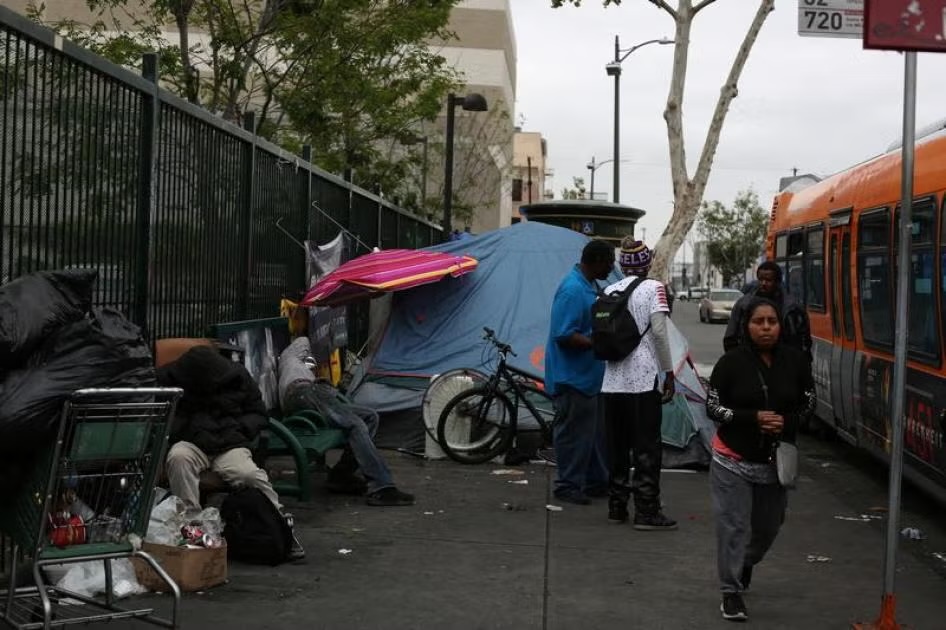
Photo: Reuters
It sounds like a paradox, but it's a well-documented economic reality: being poor is more expensive than being rich. This phenomenon, known as the "poverty premium," describes the systemic penalties low-income households face for basic necessities—simply because they lack the upfront capital to afford better alternatives.
This structural trap is intensely relevant right now because the economy is experiencing a clear "K-shaped" split. While upper-income households see their investments and wages grow, lower-income families watch their income gains wiped out by compounding penalties. In 2026, the poverty premium is more punishing than ever.
The 2026 Cost-of-Living Squeeze
Inflation has cooled, but prices didn't drop—they just stopped rising quickly. The baseline cost for necessities remains permanently high. Recent Brookings data shows 45.5% of U.S. households cannot cover basic necessities. Because they must spend every dime on survival, they have zero capacity to buy in bulk, save, or invest—a direct violation of the fundamental rule that wealth is built through accumulating capital.
The University of Michigan's "Toilet Paper Study" illustrates the premium perfectly. A high-income shopper buys a $24.00 30-pack at $0.80 per roll. A low-income shopper, unable to spare the $24, buys a $5.00 4-pack at $1.25 per roll—a 56% premium for the exact same product. Researchers found lower-income households pay an average 5.9% hidden tax on every sheet of toilet paper. Scale this up to laundry detergent, food, and every household staple, and the daily drain becomes inescapable.
The Federal Reserve raised interest rates to curb inflation. The rich can avoid debt; the poor are forced to rely on it. Total U.S. credit card debt has surpassed $1.25 trillion, with average interest rates on carrying balances spiking to 22.15%. Low-income earners using credit cards for emergencies are paying historic interest charges, ensuring they stay in debt much longer for the exact same purchases.
This is compounded by predatory lending. A $500 payday loan with a 400% APR costs thousands in fees. A title loan can mean losing the car—and the job—if a payment is missed. Bank overdraft fees can generate hundreds in pure penalties. Every emergency becomes a financial catastrophe.
High mortgage rates have trapped more people in the rental market. According to the National Low Income Housing Coalition's 2026 report, the average renter earns $24.84/hour, but the wage needed to afford a basic two-bedroom apartment is $34.73/hour. Families who can't pass strict income and credit screenings are forced into extended-stay motels at $400/week ($1,700/month)—paying luxury-apartment prices for a single room with no kitchen, which inflates food costs further. The low-income family spends 100% on a depreciating asset (rent), while the wealthy build equity through homeownership.
Between 2025 and 2026, higher-income households saw pay rise by about 6%, while the lowest earners saw just 1.5%. When wages don't keep pace with elevated costs, low-income households are pushed to the edge. A single emergency—a car breakdown or medical bill—triggers a critical crisis.
The Regressive Tax Burden
While federal taxes spare the poor with credits like the EITC, state and local taxes are fundamentally regressive. Sales taxes take a much higher percentage of a low-income budget. ITEP data shows low-income families pay 4.4% of income toward property taxes (through rent), compared to just 1.9% for the top 1%. The poor also spend hundreds on predatory tax-preparation services to file for the refunds they desperately need.
This is compounded by a "time penalty"—relying on public transit can take hours longer, reducing time for work, education, or rest. Meanwhile, the wealthy enjoy waived bank fees, high-yield savings, cash-back rewards, and premium tax advisors.
The Health Tax
Poverty is a direct driver of poor health. Substandard housing with mold triggers asthma; food deserts force reliance on processed foods that spike diabetes and obesity; low-cost neighborhoods are often near highways and factories, exposing residents to pollution.
The biology of "toxic stress" is equally damaging. Living in financial panic floods the body with cortisol, damaging the immune system and accelerating cellular aging. When poverty makes you sick, illness makes you poorer: chronic pain reduces work capacity, and copays drain money from housing and savings. The ultimate penalty is a massive longevity gap.
How the System Rewards Wealth
Wealth unlocks an invisible infrastructure of discounts. Banks waive fees for high-balance clients. Premium credit cards give 2-5% cash back—and merchants raise prices to cover processing fees, meaning cash-paying poor shoppers subsidize the rewards of the rich.
The wealthy hire lawyers to fight tickets, accountants to find tax loopholes, and choose high-deductible insurance they can afford. They buy assets that grow in value—stocks and real estate—while poor people buy depreciating survival goods.
- Upfront Capital: Wealthy buy in bulk for lower unit costs; poor pay a premium for small quantities.
- Financing Penalties: Lacking cash leads to overdraft fees, payday loans, and 22.15% credit card interest.
- Housing: Wealthy build equity; poor spend 100% on rent with zero assets.
- Health: Delaying care leads to expensive ER visits and medical debt.
- Time: Public transit takes hours longer than driving, reducing time for work and education.
- Insurance: The rich have comprehensive coverage; the poor are underinsured, meaning one disaster can strip everything.
The Compounding Cycle
Just as the wealthy benefit from compound interest, the poor suffer from compound penalties. For a low-income household, the financial margin for error is exactly $0. Compounding crises consume cognitive bandwidth—when 90% of your brain is spent preventing the electricity from being shut off, you lack the energy to plan long-term career moves or education.
In 2026, this structural trap is more punishing than ever. With 45.5% of households unable to cover basics, credit card debt at record highs, and housing costs spiraling, the poverty premium isn't an academic concept—it's a daily reality for millions. The K-shaped recovery ensures the wealthy accumulate more assets while the poor are squeezed harder by every financial mechanism designed to profit from their desperation.
No Ads. By Us. For Us.
This article was made possible by readers like you. We hope it inspired you to support Emerald Book, so we can continue producing content like this.
We will never show you ads, sell your data, or require a subscription to consume our content. Your gift helps us keep the truth accessible.
Click the Support button to give a gift of any amount today.
Thank you for making this work possible.