

Emerald Pages
◆
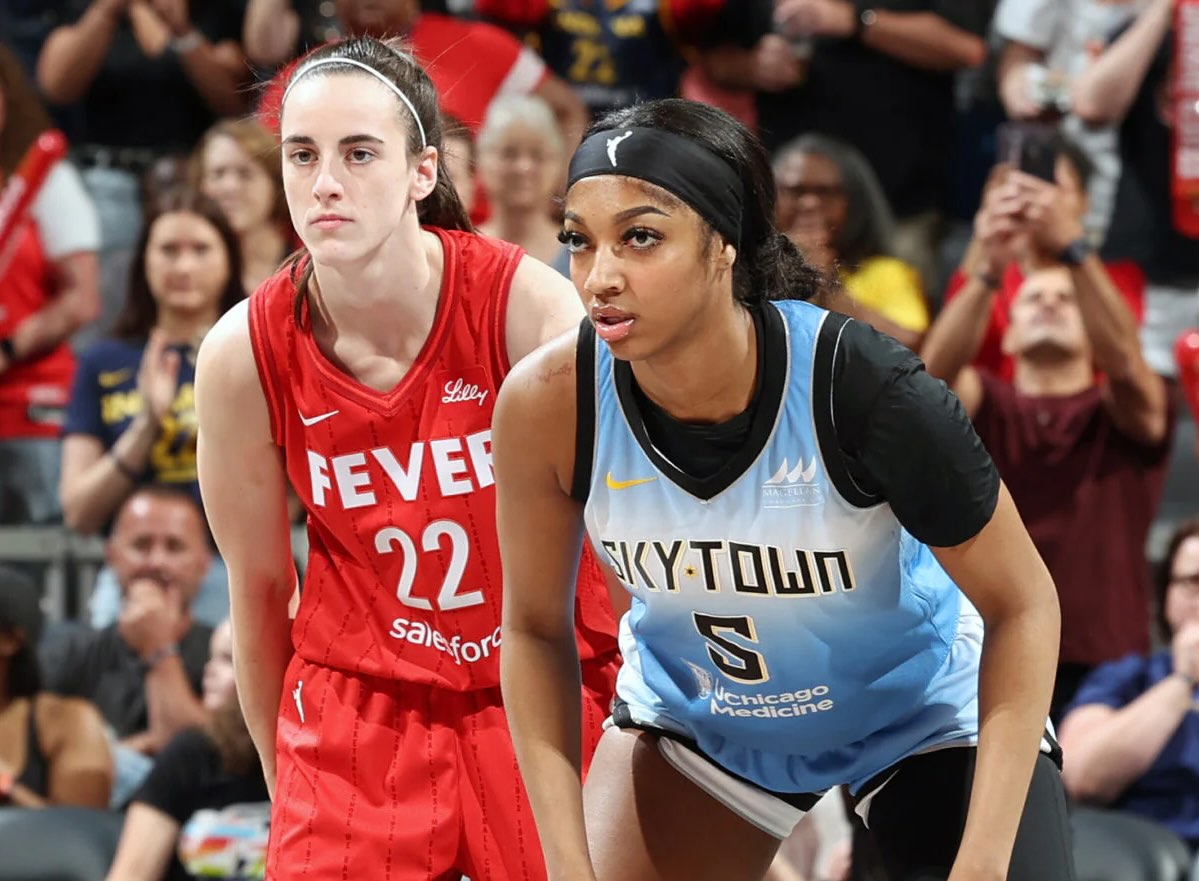
Photo: NBA | Getty Images
For nearly three decades, the WNBA has been a sanctuary of Black excellence and progressive activism. It is a league where the majority of its players are Black women who have used their platforms to champion social justice, long before it was fashionable. Yet, as the league experiences unprecedented commercial success—a boom primarily fueled by the rivalry between Caitlin Clark and Angel Reese—it has also been forced to confront a harsh reality. The influx of money and attention has not come in a vacuum; it has served as a conductor for America's pre-existing racial divisions, transforming a basketball rivalry into a battleground for a systemic racism that the league's institutional framework is struggling to contain.
The WNBA's current crisis is not a question of whether racism exists—players and the league have universally acknowledged the reality of racist fan abuse. The debate is far more damning. It centers on whether the league's leadership has passively allowed a hostile work environment to fester in pursuit of financial growth. The evidence, from the weaponization of the Clark vs. Angel Reese rivalry to the disproportionate marketing of white players over more accomplished Black champions, points to a systemic problem where the commercial machinery of sports replicates and profits from structural bias.
The Clark-Reese rivalry is the perfect case study. Their collegiate battles were epic, but when they entered the professional ranks, the narrative was co-opted by bad-faith actors. The "beef" became a profitable proxy for America's culture wars. While Clark was positioned as the league's savior and a symbol of palatable mainstream appeal, Reese and other Black players like Alyssa Thomas and Chelsea Gray were subjected to a barrage of racist slurs, death threats, and online harassment. This isn't just fan toxicity; it's a monetization of polarization. The league's sudden financial boom is heavily amplified by pre-existing societal prejudices, where a segment of the new fanbase and corporate sponsors are finally willing to invest because they have a face that mirrors traditional, suburban demographics.
The "Great White Hope" and the Erasure of Black Excellence
The central argument for systemic racism lies in the league's marketing itself. Critics and players point out that throughout the WNBA's history, corporate sponsors and mainstream media have repeatedly selected white players to be the league's primary commercial faces. From Rebecca Lobo to Sue Bird to Sabrina Ionescu and now Caitlin Clark, the pattern is clear. Meanwhile, Black stars like A'ja Wilson—a four-time MVP who is currently the consensus best player in the league—historically received fewer signature shoe deals, lower-value endorsements, and less primetime media coverage earlier in their careers compared to their white counterparts.
The comparison is stark. Clark, a player in just her third season who has not yet won an MVP or a championship, has been instantly crowned the "face of the league," generating unprecedented revenue and media attention. This is a title that, in any other major sport, is reserved for proven champions. As analysts like Jemele Hill have argued, crowning a player—especially a relatively new one—as the "face" over established Black champions like A'ja Wilson is a demonstration of a "likability penalty" that Black players face. The system is seen as defaulting to a white archetype to appeal to a broader, wealthier consumer base, effectively erasing the Black women who built the league's foundations and culture.
The Monetization of Hate: Racist Incidents in 2026
The raw, explicit incidents of the 2026 season highlight the toxic environment that this commercial boom has created. In July, Las Vegas Aces point guard Chelsea Gray was forced to share a screenshot of an Instagram direct message where a fan explicitly called her the N-word. The fan was fired from his job, but the incident underscores how online abuse is a systemic workplace safety issue. Similarly, Phoenix Mercury star Alyssa Thomas revealed she has faced ongoing death threats, stating, "We're so concerned about safety on the court, and time and time again, we're having people threaten our lives." The frequency of targeted harassment became so severe that the league and the players' union held an emergency videoconference to address what they called a crisis of "racist, hateful, and abusive messages directed at players."
These incidents are not isolated. They peak immediately after games involving white stars, showing how bad-faith external actors are using basketball to fuel wider racial animosity. The players' frustration is palpable. They argue that the league's systemic monitoring was initially too passive, forcing players to screenshot their own abuse to prove it happens, as Gray put it: "People act like we just make this s--- up." This points to a system that is failing to protect its players in pursuit of a new revenue stream.
The Institutional Dilemma: Growth vs. Protection
This is where critics argue the systemic issue lies. The league found itself benefiting financially from television ratings and ticket sales that were being heavily driven by this polarized fan base. Players have argued that league leadership was initially hesitant to aggressively police or denounce the toxic elements of this new fandom because they did not want to alienate the new revenue. While the league has since enacted a strict "No Space for Hate" policy and enhanced arena security, many feel these measures are reactive rather than proactive. The WNBPA is now legally pushing for stronger workplace safety clauses in the next collective bargaining agreement, demanding that managing fan behavior is treated as the serious workplace safety issue that it is.
The counter-argument—that this is a neutral business dynamic and not racism—fails to hold up under scrutiny. Proponents of this view claim that the marketing is driven by consumer data and that Clark's popularity is a "rising tide" that lifts all boats. However, this ignores the historical context of a league that was already experiencing record-high growth before Clark's arrival and the undeniable reality that the revenue is being fueled by a societal bias that inherently values white stories and archetypes over Black ones. The systemic problem is not necessarily the WNBA's internal leadership, which is historically progressive, but its vulnerability to the external systemic racism and polarized divisions present within broader American culture.
No Ads. By Us. For Us.
This article was made possible by readers like you. We hope it inspired you to support Emerald Book, so we can continue producing content like this.
We will never show you ads, sell your data, or require a subscription to consume our content. Your gift helps us keep the truth accessible.
Click the Support button to give a gift of any amount today.
Thank you for making this work possible.