

Emerald Pages
◆
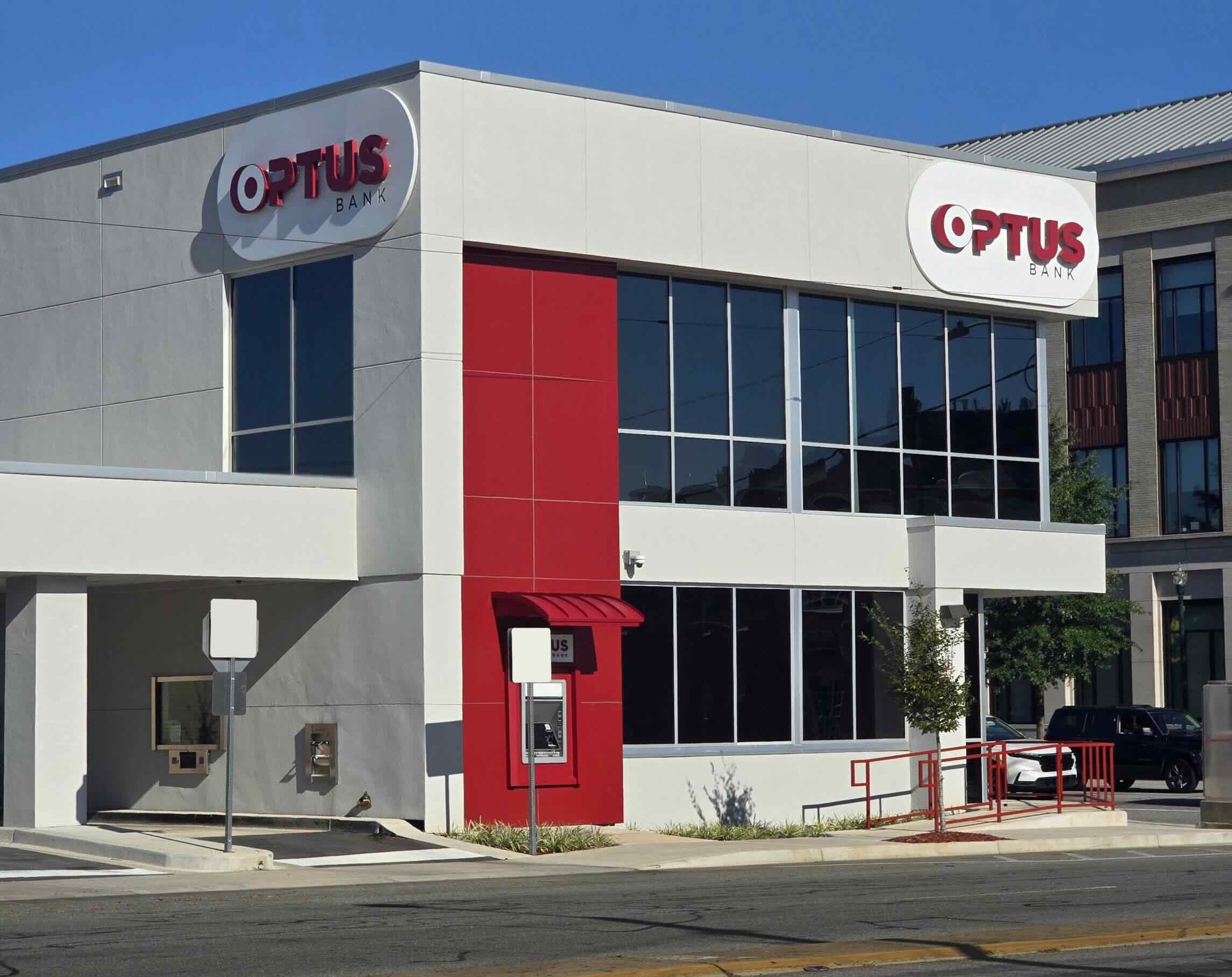
Photo: Optus Bank | Columbia Metropolitan Magazine
A seismic shift is underway in American community banking. On July 22, 2026, South Carolina-based Optus Financial Corporation and North Carolina-based M&F Bancorp publicly announced a definitive merger agreement valued at over $105 million. When the deal closes in the fourth quarter of 2026, the combined institution will control approximately $1.27 billion in total assets, instantly making it the largest Black-owned bank in the United States.
The merger brings together two of the oldest Black-owned financial institutions in the country, each with deep roots in their respective communities. Optus Bank, founded in 1921, has grown to $785 million in assets, while Mechanics & Farmers Bank, established in 1907, holds $518 million. Their union is not just a financial transaction—it is a strategic move to preserve and expand Black economic power in an industry where minority-owned institutions have been steadily disappearing.
The deal is structured as a cash-and-stock acquisition, with Optus Financial Corporation serving as the legal acquirer of M&F Bancorp. Legacy M&F shareholders will receive up to $53.30 per share, with an initial closing payout of $46.57 per share and a contingent payment of $6.73 per share based on the successful repurchase of certain preferred shares within 12 months. Upon closing, former M&F shareholders will own approximately 61.5% of the combined entity, while Optus shareholders will hold the remaining 38.5%.
The Economics Behind the Deal
At first glance, paying $105 million to acquire a bank with $518 million in assets might seem like a bargain. But banking does not work like a typical business acquisition. The $105 million price tag is based on the bank's net worth, or equity, not its total assets. A bank's assets—such as loans, securities, and physical property—are largely funded by liabilities, primarily customer deposits. For M&F Bank, with roughly $420 million in deposits, the actual net worth belonging to shareholders is closer to $100 million. The purchase premium Optus is paying reflects the value of acquiring M&F's loyal customer base, established brand, and physical branch network.
The financial logic of the merger is rooted in achieving economies of scale. By combining operations, the new Optus Bank will eliminate duplicate executive roles, streamline compliance costs, and consolidate technology vendors. This reduces the "efficiency ratio," a key metric measuring expenses as a percentage of revenue. A lower ratio means higher profitability. Additionally, the combined $1.27 billion asset base will raise the bank's legal lending limit, enabling it to underwrite large commercial real estate projects and business loans that were previously out of reach.
A Strategic Rebranding Timeline
While the legal merger is expected to close in Q4 2026, customers will not see an immediate change in branch signage. Leaders from both institutions have committed to a deliberate, phased rebranding approach designed to respect the historic legacy of M&F Bank. For the first two years following the close, all M&F branches will retain their original name, logos, and signage. It will not be until late 2028 that all physical locations, ATMs, websites, and mobile apps officially transition to the Optus Bank brand. This gradual integration gives loyal M&F customers time to adapt while backend IT teams quietly merge the two core banking systems.
The leadership structure reflects a true partnership. James H. Sills III, the current President and CEO of M&F Bank, will serve as CEO of the combined company. Paul Mitchell, Chairman of Optus Bank, will remain Chairman of the Board. This split ensures that both institutions retain a powerful voice in shaping the future direction of the new entity.
How the Merger Compares to the Competition
This deal dramatically reshuffles the rankings of the nation's largest Black-owned banks. Prior to the announcement, OneUnited Bank, with approximately $1.05 billion in assets, held the top spot, followed closely by Liberty Bank and Trust at roughly $1.02 billion. With a post-merger asset total of approximately $1.27 billion, Optus Bank will leapfrog both of these institutions to claim the number one position.
- Top 3 Black-Owned Banks (Post-Merger): Optus Bank (~$1.27B), OneUnited Bank (~$1.05B), Liberty Bank and Trust (~$1.02B).
- Key Financial Metric: The $105M purchase price is paid for M&F's estimated ~$100M in net worth, plus a premium for branch network and customer base.
- Operational Impact: The combined entity will operate 10 banking locations across North and South Carolina, with a combined workforce of skilled community bankers.
This milestone matters for reasons that extend far beyond balance sheet totals. Reaching the billion-dollar asset threshold unlocks access to lower-cost funding from institutional markets. It makes the bank a more attractive partner for Fortune 500 companies looking to place "impact deposits" in minority-owned institutions as part of racial equity initiatives. Perhaps most importantly, it proves that Black-owned banks can grow through strategic consolidation rather than shrinking through failure. Over the past two decades, the number of Black-owned banks has fallen from more than 30 to roughly 22. This merger is a rare example of two healthy, mission-driven institutions choosing to scale up together to secure their long-term survival.
Shareholder and regulatory approvals remain the final hurdles. Shareholders from both institutions are expected to vote in mid-2026, and federal regulators will audit the deal for antitrust concerns and community impact. Pending those approvals, the fourth quarter of 2026 will mark the official beginning of a new chapter in American banking history—one where the largest Black-owned financial institution is not just surviving, but thriving, expanding, and building generational wealth for the communities it serves.
No Ads. By Us. For Us.
This article was made possible by readers like you. We hope it inspired you to support Emerald Book, so we can continue producing content like this.
We will never show you ads, sell your data, or require a subscription to consume our content. Your gift helps us keep the truth accessible.
Click the Support button to give a gift of any amount today.
Thank you for making this work possible.