

Emerald Pages
◆
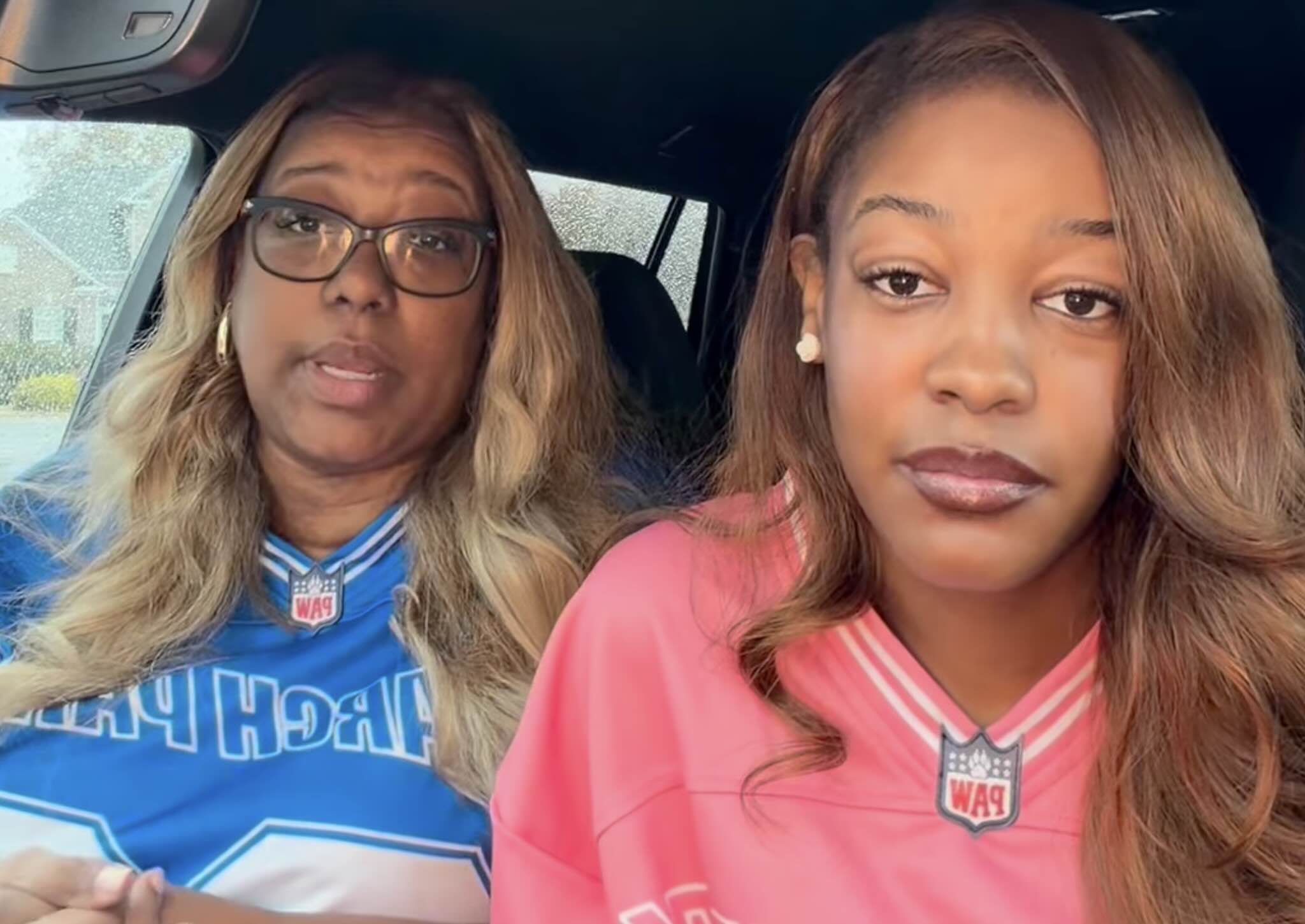
Photo: @searchpartythemovie / Instagram
In November 2026, a PG-rated family comedy called Search Party: Where's PawPaw? opened in select AMC and Regal theaters across roughly 17 states. It was not backed by a studio. It was not produced by a streaming giant. It was written, directed, and financed by a 22-year-old filmmaker and her mother—two Black women from Charlotte, North Carolina, who left a 22-year corporate career to build a movie from the ground up.
Victoria Monai Richards wrote the story with her mother, Sherrie Richards, directed it, and starred as the lead character, Noble. Sherrie co-wrote and executive produced. Together they launched Faith+Works Productions, put up the initial financing themselves, and partnered with an independent distributor to get the film onto commercial screens. Veteran comedians Tichina Arnold and Tommy Davidson signed on to star.
What they could not buy—or, as they later explained publicly, could not even get a reply about—was the kind of promotional coverage that major Black media platforms routinely give to celebrity projects. In a viral Instagram Reel posted in November 2026 on the official @searchpartythemovie account, the mother-daughter duo said they reached out to Essence, Ebony, The Shade Room, and The Breakfast Club. Only one of those outlets gave them a number: The Shade Room, which quoted roughly $25,000 for a single post. The others never even responded.
The Reel struck a nerve. Publicists chimed in to confirm that a $25,000 rate card for sponsored posts or media packages on an outlet like The Shade Room is standard commercial pricing. Others suggested hiring a dedicated unit publicist to pitch organic editorial angles or partnering with local Black newspapers and independent outlets instead. Many viewers rallied behind the duo, praising their transparency and tagging AMC and Regal to request screenings in additional cities.
Why Major Black Media Didn't Respond at All
The silence from Essence, Ebony, and The Breakfast Club—and the $25,000 quote from The Shade Room—points to an uncomfortable reality about how major Black media outlets choose which stories get told: clicks and advertiser revenue come first, and Black solidarity comes somewhere after that. The tension between a media outlet's cultural mission and its corporate bottom line is a long-running debate, and this film landed right in the middle of it.
Audiences expect Black media to act as community champions—especially for a self-funded Black mother-daughter team that got a PG family comedy into AMC and Regal without studio backing. But behind the scenes, these companies answer to corporate owners, investors, and advertisers who demand traffic and profit. The Breakfast Club is syndicated nationally by iHeartMedia, the largest radio conglomerate in the U.S., and its bookings are tied to major record labels, Hollywood studios, and corporate ad deals. Essence and Ebony operate as commercial lifestyle brands relying on high-end sponsorships, beauty and fashion advertisers, and studio marketing budgets. The Shade Room built a digital empire by monetizing attention—selling high-priced ad inventory to studios, brands, and publicists who can afford five-figure rates.
- Celebrities guarantee clicks; unknown filmmakers don't: Outlets post about famous names for free because those names reliably generate millions of views, comments, and shares—keeping the algorithm strong and proving to advertisers that the page delivers traffic. A first-time indie filmmaker represents an unproven traffic risk, so the request gets routed to the sales desk instead of the editorial desk. Black solidarity doesn't factor into the spreadsheet.
- Studio PR muscle beats grassroots outreach: Hollywood studios hire veteran publicists with personal relationships with magazine editors and radio producers. Studio projects arrive pre-packaged with exclusive clips and A-list access, and outlets cover them free because they want future access to those stars. Without an agency pitching them, cold emails from indie creators rarely reach the editorial desk—which helps explain the total silence from Essence, Ebony, and The Breakfast Club.
- Pay-to-play is the business model: Large platforms treat promotional posts and dedicated campaigns as paid advertising inventory. Cold outreach from unknown creators is typically met with a commercial rate card—which is how the Richards duo were quoted $25,000 by The Shade Room.
In other words, the outlets weren't weighing whether to support two Black women who beat the odds—they were weighing whether the story would perform. And until it goes viral, the answer was no. The math only changed the moment the Richards duo posted their video: once thousands of people began debating the double standard in the comments, their struggle itself became a trending topic that guaranteed clicks—which is exactly why smaller culture pages, podcasters, and local news outlets suddenly jumped in to cover them for free.
Who Did Cover Them
While the biggest commercial Black media brands did not give the film major paid-style promotion, several Black-owned digital outlets, podcasts, and local journalists covered and interviewed the filmmakers. Publications like Rolling Out, Blex Media, QCity Metro, and AWOE Magazine featured interviews, cast announcements, and reviews. Smaller Black culture Instagram pages and independent YouTube interviewers hosted the cast for free to build word-of-mouth momentum. And because Sherrie and Victoria are from Charlotte, local stations like WBTV's QC Life, WCNC, and Queen City News gave them multiple on-air segments.
The dynamic comes down to the difference between massive commercial platforms that operate on paid ad rates and smaller or regional Black outlets that cover community and indie stories editorially. Because legacy and corporate-backed Black media often price out independent creators—or simply don't answer them—a second tier of truly independent Black media has increasingly stepped in to fill that void.
The Theatrical Rollout Was No Small Feat
Through their distribution deal with Atlas Distribution Company, the filmmakers secured bookings at major chains starting November 13, 2026. The rollout hit snags—tickets did not go on sale until two days before release, and they received fewer screens than expected. Independent movies have to prove box-office demand immediately to keep their screens, so theaters initially scheduled one-week runs. Following strong grassroots turnout in key markets, especially Charlotte and metro Atlanta, theaters extended the run through Thanksgiving weekend.
The film is rated PG by the MPA for violence, rude/suggestive humor, some language, and a drug reference. Critics have highlighted the natural chemistry among the cast and the film's colorful, early-2000s-inspired wardrobe and genuine heart, while pointing out that the plot can feel like a series of loosely connected skits.
What is not in dispute is the feat itself: two Black women, without studio backing, wrote, directed, financed, and marketed a feature film into commercial theaters. The question their viral moment raised—why the largest Black media platforms either wouldn't answer or wouldn't tell that story without a five-figure check—remains an open one.
Search Party: Where's PawPaw? is playing in select theaters. Showtimes and tickets are available through Fandango and the AMC Theatres showtimes page.
No Ads. By Us. For Us.
This article was made possible by readers like you. We hope it inspired you to support Emerald Book, so we can continue producing content like this.
We will never show you ads, sell your data, or require a subscription to consume our content. Your gift helps us keep the truth accessible.
Click the Support button to give a gift of any amount today.
Thank you for making this work possible.