

Emerald Pages
◆
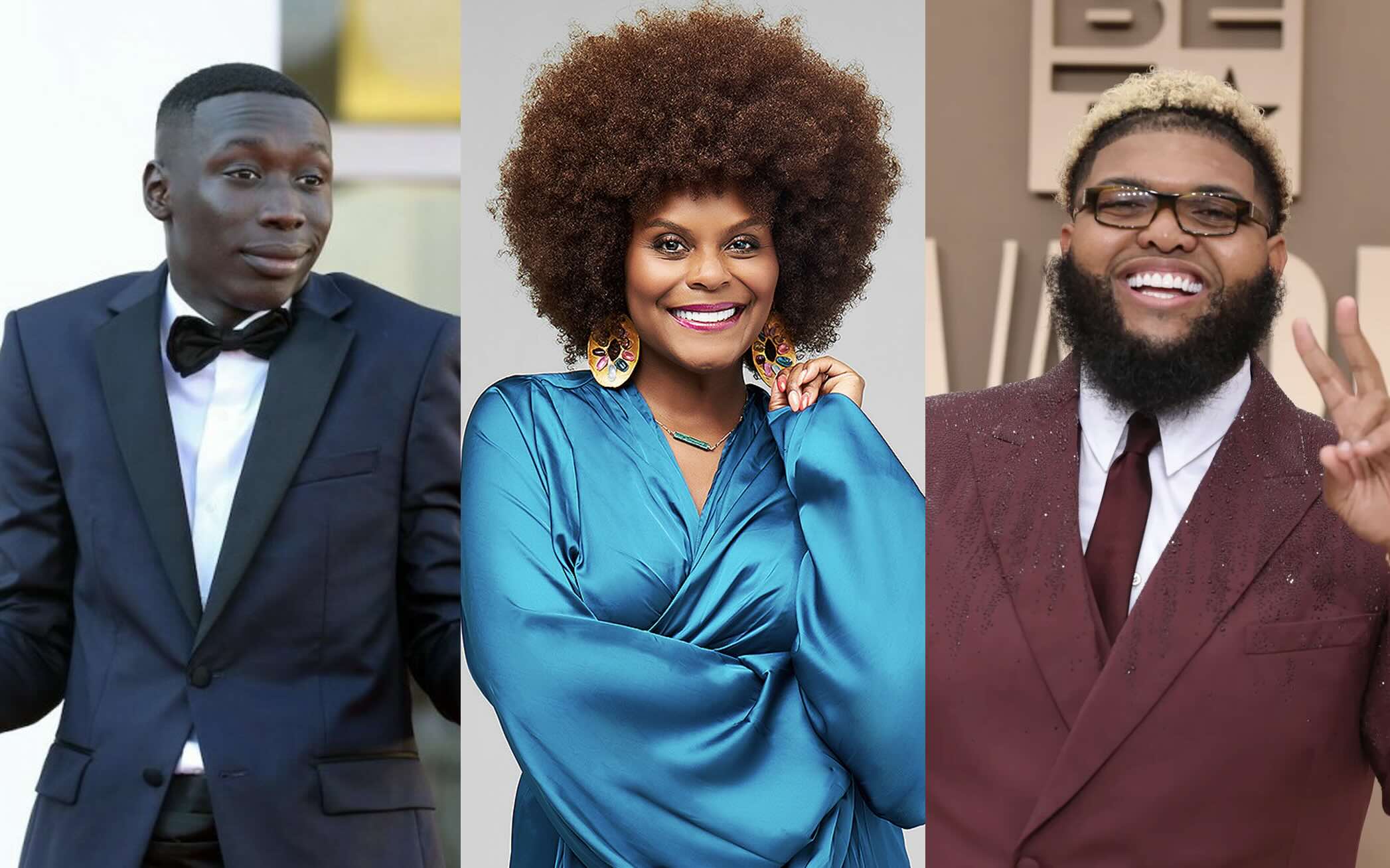
Photo: Emerald Book Image
The math is brutal and the pattern is relentless. Black creators drive the culture that makes social media platforms billions of dollars, yet they consistently earn roughly 34 to 35 percent less than their white counterparts—even when follower counts and engagement rates are identical. Their original dances, recipes, jokes, and commentary are copied without credit, re-uploaded by larger accounts, and scraped to train AI tools. The platform profits either way. The creator, more often than not, gets nothing.
This is the central paradox of the creator economy: social media remains one of the most accessible pathways for Black talent to bypass traditional gatekeepers in television, fashion, publishing, and culinary media. Yet the very platforms that promise democratized opportunity are structurally designed to extract maximum value from unpaid labor while distributing the financial rewards to a tiny, often non-Black fraction of users. Understanding why Black creators keep uploading—despite low to no pay and constant theft—requires looking at the full picture of what they gain, what they lose, and what the platform takes.
The racial pay gap in the creator economy is not a vague suspicion—it is a documented, systemic feature. Roughly half of surveyed Black creators report being offered rates well below market value compared to white peers on the exact same campaigns. The gap widens further based on complexion: data from SevenSix Agency found that creators with deep dark skin tones earn nearly 45 percent less than light-skinned creators. Black creators also experience higher rates of content suppression, shadowbanning, and false community guideline violations, which directly reduces earnings from platform view-based payout programs. They are significantly less likely to be added to brand PR lists or receive free promotional products, forcing them to buy products out of pocket to review. And when they originate viral trends, non-Black creators often gain greater algorithmic amplification and secure the lucrative brand sponsorships tied to those trends.
The Theft Is Actually Structural
Beyond the pay gap, uncredited copying and content theft remain major issues for Black creators on TikTok and other platforms. Viral dances, comedy sketches, and audio clips created by Black users are frequently copied without tags or credit. Because larger accounts already have massive reach, the algorithm often pushes their versions to the top of feeds instead of the original creator's post. Bad actors directly download or screen-record videos to repost on TikTok, Instagram Reels, or YouTube Shorts. More recently, creators have found their likenesses, voices, and videos scraped without permission to train AI tools or generate deepfake ads. U.S. copyright law automatically protects specific video recordings, but it generally does not cover general concepts, short catchphrases, recipes, or simple dance steps—a legal gray area that makes it hard for creators to stop others from recreating their ideas unless the exact video file is stolen.
- 34–35% pay gap: Black creators earn roughly a third less than white peers with comparable followers and engagement.
- 45% complexion penalty: Creators with deep dark skin tones earn nearly 45% less than light-skinned creators.
- Winner-take-all economics: The top 1–4% of creators capture the vast majority of ad revenue and brand deals; roughly half of all active creators earn less than $15,000 a year, and millions earn zero.
The Tini Younger mac and cheese controversy illustrates how these dynamics play out in practice. Younger, a TikTok chef whose baked macaroni and cheese video gained tens of millions of views, was accused online of profiting off a dish tied to Black American and soul food traditions. She does not market her dish as "Black mac and cheese," and she has pushed back against claims that she stole or appropriated it, stating she developed the recipe herself over years of testing. The debate—recurring every holiday season—reflects a deeper anxiety: when a white creator's version of a culturally rooted dish goes viral, who benefits, and who gets erased? Food historians note that while pasta and cheese have European roots, enslaved cooks such as James Hemings and generations of Black women in the American South shaped the baked casserole style widely associated with holiday and Sunday tables today. The recipe itself cannot be copyrighted. The credit, and the money, often go to whoever the algorithm amplifies.
Why Black Creators Keep Posting
Despite the exploitation, Black creators continue to upload. The reasons are layered. First, social media bypasses traditional gatekeepers—legacy industries have historically limited opportunities for Black talent, and platforms allow creators to build massive audiences and prove their market value directly to consumers without needing executive approval. Second, community and cultural connection matter: for many creators, the primary reward is finding solidarity, shared humor, and genuine support within Black online spaces. Third, the stepping-stone strategy is real—even when platform payouts are low, viral visibility acts as a marketing funnel for independent businesses, book deals, merchandise, acting roles, and higher-paying platforms like YouTube and Substack. And fourth, the creator economy is still a multi-billion-dollar industry where individual Black creators can achieve life-changing income. For many, earning 65 cents on the dollar in a lucrative digital market still outpaces wages in traditional entry-level jobs.
But the reality for the vast majority is far grimmer. Social media operates like a winner-take-all lottery where frictionless posting hides extreme odds. Platforms make uploading effortless and spotlight a tiny fraction of mega-earners—Khaby Lame, Kai Cenat, Tabitha Brown, Keith Lee, Druski—to keep millions of users feeding the content machine for free. Roughly half of all active creators earn less than $15,000 a year, and millions earn zero. The top creators who do break through almost universally share the same strategy: they moved off TikTok early onto YouTube, Twitch, podcasts, or live touring; they sell their own physical or digital products; and they built distinctive personal signatures that copycats cannot easily replicate. They treat social media as a launchpad for intellectual property they control, not as the destination itself.
When zero financial return combines with active content theft, posting stops being an opportunity and becomes unpaid labor that enriches everyone except the creator. Platforms collect guaranteed advertising revenue from user attention regardless of who goes viral. Traditional media networks spend billions producing television shows and movies; social media companies pay nothing for content creation, letting millions of users supply endless videos for free. Platforms monetize attention, not individual success—it does not matter to the bottom line whether an original Black creator gets credit or a copycat gets the views, as long as users stay on the app. Platforms own the algorithm and the audience relationship. They can throttle reach, change payout formulas, or push users toward paid promotion tools at any time without sharing equity or guaranteeing minimum wages. And beyond ad revenue, every uploaded video provides valuable behavioral data and training material for platform algorithms and AI models, creating long-term corporate assets from unpaid user labor.
How Creators Are Pushing Back
Recognizing how the math works is often the first step toward refusing to play a rigged game. Many Black creators are shifting their behavior entirely. Some have consciously stopped inventing public trends, choreographies, or viral formats that can be easily lifted by others—a move crystallized by the #BlackTikTokStrike, when Black choreographers paused making new dances to highlight how much the platform relies on their unpaid labor. Others keep their best ideas behind paywalls or direct channels, saving recipes, insights, and creative work for paid newsletters, private communities, local events, or direct client work. Many are treating TikTok purely as top-of-funnel marketing, posting shorter clips solely to direct followers to email newsletters, Patreon, or long-form YouTube videos where they own their audience and earn higher ad revenue. And a growing number are simply logging off and reclaiming their time, putting their energy into offline careers, businesses, or personal lives where their work is respected.
For viewers, the choices are equally consequential. Choosing to strictly consume content rather than create it cuts off the unpaid labor and risk of theft while preserving access to entertainment, news, and community connection. Private sharing—recipes, jokes, and videos exchanged exclusively in group chats, Discord servers, or Close Friends lists—keeps creative work within a trusted circle. Selective consumption, watching content intentionally while refusing to engage with copycat accounts or trend-stealers, helps starve exploitative accounts of attention. And supporting direct ownership—engaging with and supporting Black-owned businesses, independent publications, and local creators—puts value back where it belongs.
The platforms are the real winners, and they will remain so as long as the system stays unchanged. But the artistic expression is real, and it does not require a public feed. Painting, cooking, dancing, writing, and making music existed long before social media metrics. Creating purely for yourself or a trusted circle preserves the joy of the craft without turning your art into unpaid data for an algorithm. Public feeds often fail to accurately represent Black culture anyway—algorithms reward controversy, stereotypes, and easily copied trends, burying nuanced Black art while surface-level imitations go viral. Keeping your best creative ideas offline or inside private communities prevents them from being flattened into disposable content or stripped of their cultural context by copycats. The house always wins the money. But the culture, the craft, and the community belong to the people who make it.
No Ads. By Us. For Us.
This article was made possible by readers like you. We hope it inspired you to support Emerald Book, so we can continue producing content like this.
We will never show you ads, sell your data, or require a subscription to consume our content. Your gift helps us keep the truth accessible.
Click the Support button to give a gift of any amount today.
Thank you for making this work possible.