

Emerald Pages
◆
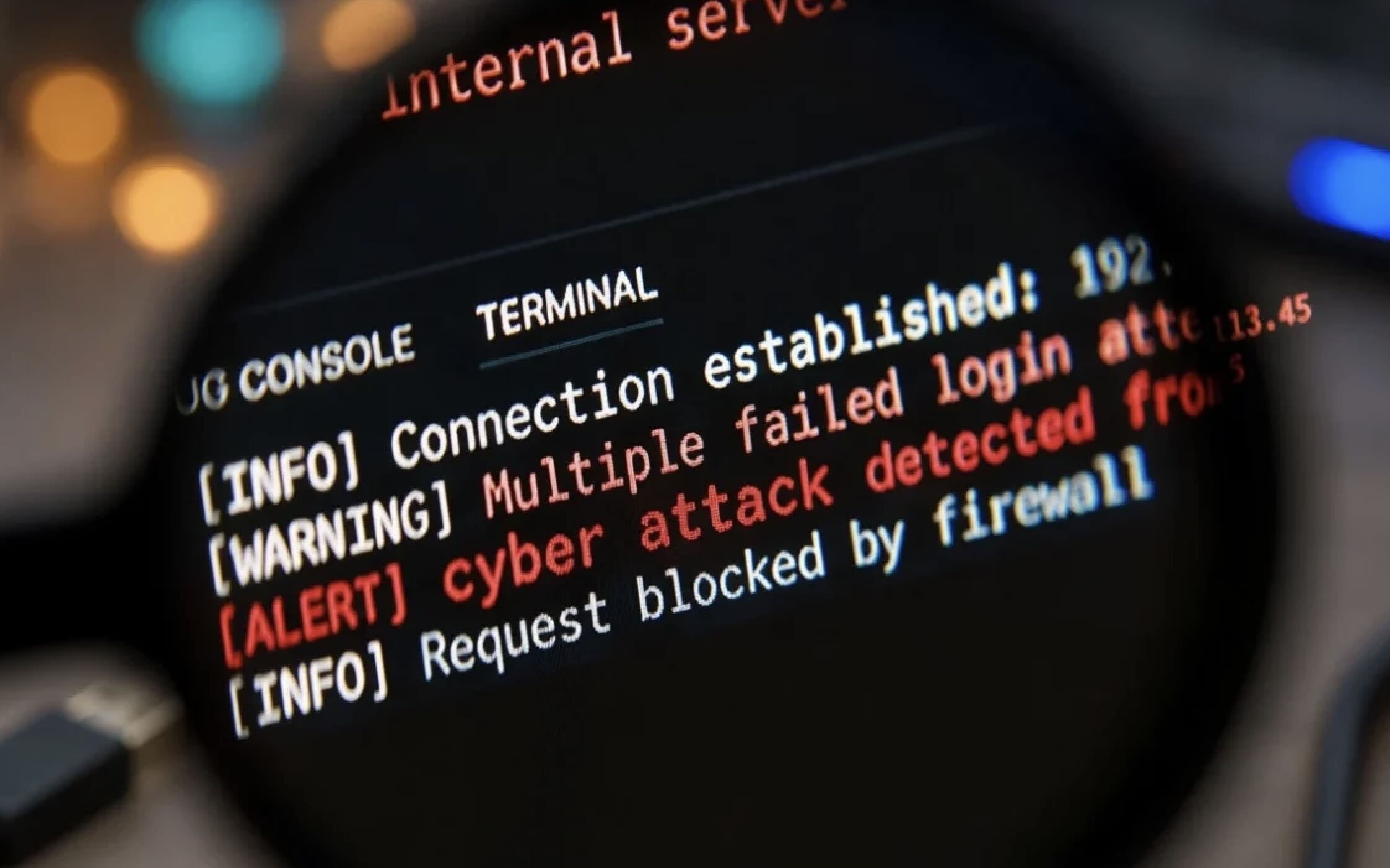
Photo: Reuters
On November 16, 2026, the cybersecurity world was alarmed by news reports claiming that 178 major organizations, including CNN, IKEA, and Salesforce, had suffered massive cyberattacks. However, the technical reality is far less chaotic than the headlines suggest. While millions of website visitors were exposed to malicious code, only a single company—Optimizely—was actually hacked by external actors.
To understand why this distinction matters, it is essential to look at how modern web infrastructure works. Most major websites do not host every piece of software needed for their operations; they rely on third-party scripts provided by vendors like Optimizely (which provides A/B testing tools). When an attacker compromises the vendor's central platform, that malicious code is automatically pushed to every site using the service.
In this incident, researchers found malicious scripts running across the public-facing websites of 178 organizations. However, the attacker never gained access to the internal corporate networks of these companies. They did not steal employee emails, customer databases, or private company data. The breach was contained entirely within Optimizely's experimentation platform and the specific JavaScript files they manage.
Why Headlines Said "Massive Breach"
News outlets framed the incident as a huge crisis for several understandable reasons that have little to do with the actual technical scope of the damage. The primary driver was audience reach. With sites like Fox News, BBC, and Zoom hosting the compromised code, potential exposure involved millions of daily active users. While only one script was infected, it touched a massive surface area.
- High Traffic Volume: The compromised pages were viewed by hundreds of millions, making the incident newsworthy regardless of data loss.
- Name-Brand Recognition: Reporting on "IKEA" or "Equifax" generates significantly more readership than reporting on "Optimizely."
- Worst-Case Scenario: Early reports focused on the malware's capability (skimming credit cards, exploiting iOS), without specifying that these capabilities were unconfirmed or theoretical.
This "sensationalization" creates a phenomenon known as alert fatigue. When every technical incident is labeled a catastrophic data breach, consumers begin to tune out warnings. The financial reality of this specific attack contradicts the alarmist tone. While the malware was designed to capture payment details and hijack cryptocurrency addresses, verified direct thefts amounted to only roughly $7,040 in stolen crypto by the time the code was removed within hours of detection.
Real Risks vs. Media Noise
Because the attack was supply-chain rather than direct intrusion, the damage model is fundamentally different from traditional hacks like a stolen database. There is no central "list" of victims to download. Instead, exposure depended entirely on user behavior during a narrow nine-hour window. Most visitors simply read articles or viewed product pages without triggering the scripts designed to steal data.
Furthermore, most of the 178 sites use isolated third-party payment processors (like Stripe or PayPal frames) to handle credit card transactions. The malicious script injected into Optimizely generally could not bypass these secure, sandboxed checkout environments. Therefore, while headlines screamed of "data theft," the practical risk for the average user was largely limited to those who actively typed sensitive financial information into vulnerable forms during the specific timeframe of the breach.
In the end, the incident highlights a crucial lesson in reading cybersecurity news: The headline often describes the attack surface (how many people saw it), while the reality describes the impact (what was actually stolen). Understanding this difference prevents noise from drowning out genuine security signals.
Optimizely has hired Mandiant to conduct a full forensic investigation, and headlines will likely continue to evolve as more data emerges from their findings. For now, some users were exposed to malicious code on high-profile sites, but those companies did not get "hacked" in the traditional sense. Recognizing the difference between supply chain exposure and internal breach helps consumers separate media panic from actual actionable threats to their personal security.
No Ads. By Us. For Us.
This article was made possible by readers like you. We hope it inspired you to support Emerald Book, so we can continue producing content like this.
We will never show you ads, sell your data, or require a subscription to consume our content. Your gift helps us keep the truth accessible.
Click the Support button to give a gift of any amount today.
Thank you for making this work possible.