

Emerald Pages
◆
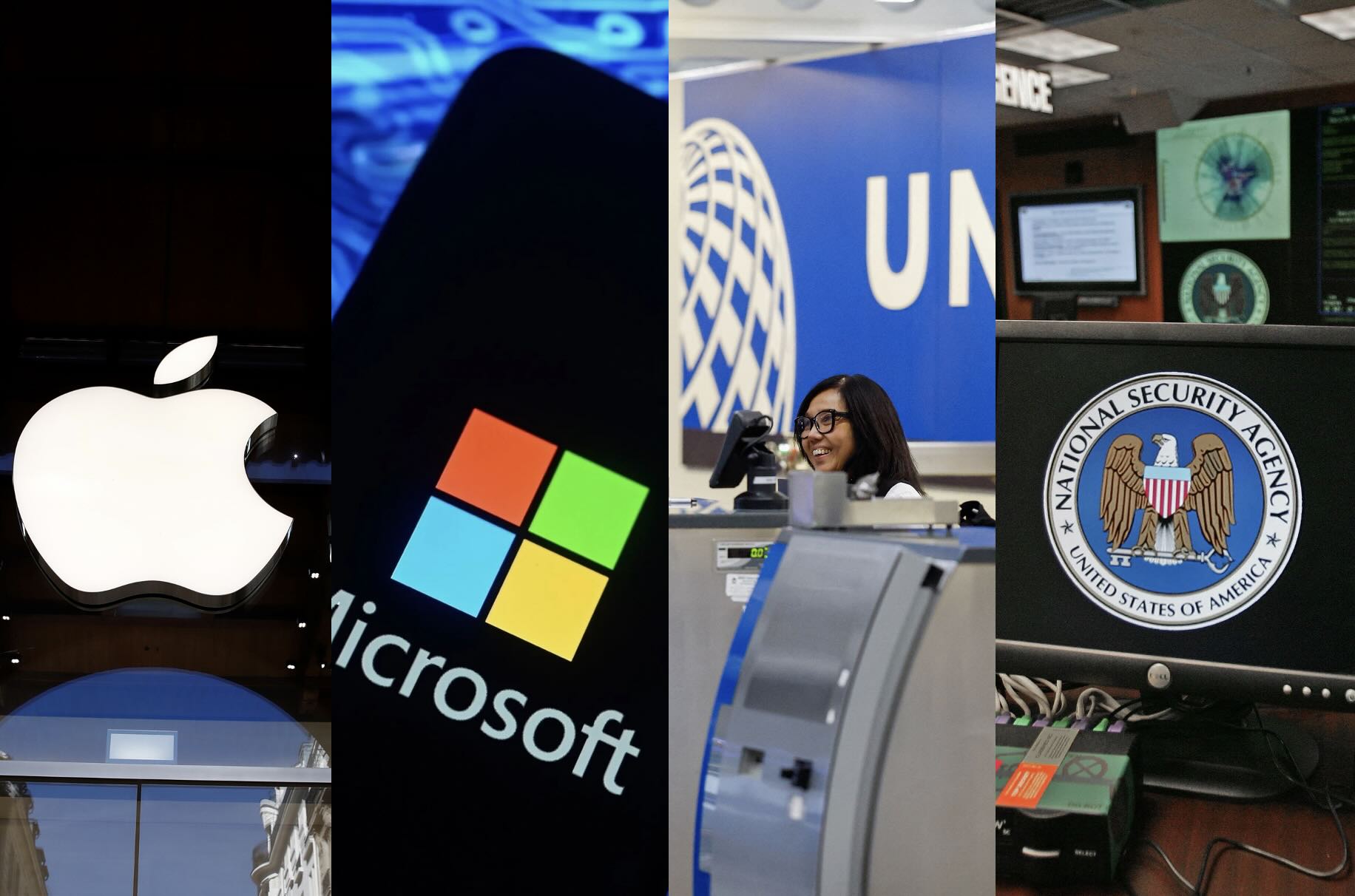
Photo: Emerald Book Image
In the span of six days, America's digital infrastructure buckled under the weight of its own maintenance schedule. Microsoft 365 went dark across more than 70 countries. The FAA grounded flights nationwide for four hours. JPMorgan Chase froze transactions for millions of customers. United Airlines halted departures. The NSA's classified network degraded. And on Tuesday, Apple Pay, iCloud, and the App Store went down for thousands of users.
None of these were cyberattacks. None were natural disasters. Every single one traced back to a software update, a hardware installation, or routine maintenance — and that is precisely what makes them alarming.
The official explanations arrived quickly, and they all sounded eerily similar. Apple confirmed a "routine internal update" triggered cascading authentication errors across its cloud infrastructure. JPMorgan Chase blamed a "software bug" in its on-premise hardware systems. The FAA pointed to a faulty router installation during a telecommunications modernization project. Microsoft attributed its global outage to a network capacity upgrade issue and explicitly ruled out cyber or AI involvement.
The Week in Outages
- Microsoft (Nov. 12–14): A latent bug from a July server update triggered a cascading gateway failure, knocking Outlook, Teams, and Microsoft 365 offline across 70+ countries.
- The FAA (Nov. 13): A faulty router installation flooded air traffic control networks with data, forcing a rare four-hour nationwide ground stop.
- Workday (Nov. 13–14): An internal backup-test configuration error disrupted HR and payroll tools for corporate customers.
- JPMorgan Chase (Nov. 16): A defective software update on internal hardware delayed transactions across Chase and stalled Zelle and wire transfers at Bank of America, Wells Fargo, and U.S. Bank.
- United Airlines (Nov. 16): A software failure in crew-facing weight-and-balance systems temporarily halted all departing flights.
- NSA Internal Network (Nov. 17): The classified internal communications system degraded during scheduled routine maintenance.
- Apple (Nov. 17): An internal software update caused authentication errors across iCloud, disrupting Apple Pay, the App Store, and Apple Music.
Why So Many Updates Are Breaking at Once
Technology analysts point to a seasonal rush: major companies typically lock down their systems before Thanksgiving and Black Friday to avoid breaking things during peak holiday shopping and travel. As a result, IT teams cram months of overdue patches, AI integrations, and hardware upgrades into mid-November — right before the code freeze.
But the timing only explains the concentration. The deeper issue is how these systems are built and maintained. Industry analysts note that many banks, airlines, and government agencies run new cloud and AI tools on top of decades-old legacy equipment. When an update interacts unexpectedly with older hardware, a minor glitch cascades into a systemwide failure.
The Layoff and AI Factor
Security analysts, former officials, and lawmakers are pointing to a combination of deep workforce reductions and organizational mismanagement as a major factor. Over 200,000 tech workers have been cut in 2026, with AI cited as a primary driver as companies redirect billions toward AI infrastructure. Microsoft cut 4,800 jobs in July and extended buyouts to 9,000 workers in April and 60,000 globally in October — just weeks before its network update knocked Microsoft 365 offline for nearly 24 hours. JPMorgan Chase completed six rounds of targeted layoffs in 2026 while deploying AI across operations. Workday cut roughly 1,750 jobs in 2025 and another 400 in February 2026.
A recent industry study reported by LeadDev found that 81% of engineering leaders experienced a production outage or incident linked to AI-coding tools in the past six months. Researchers warn that AI generates code faster than smaller engineering teams can thoroughly test, debug, and understand before pushing it live. Tim Roemer, Arizona's former homeland security director, described the recent wave of failures as "self-inflicted wounds," arguing that widespread layoffs have stripped organizations of veteran engineers who know how to prevent and quickly fix bugs before they cascade.
Apple stands as the main exception among private companies — it largely avoided mass layoffs during the AI boom, cutting only a small number of Fitness+ roles and pausing a proposal to replace AppleCare staff with AI agents. Yet it still suffered a major outage Tuesday, suggesting that lean staffing and faster release schedules create fragility even without headline-grabbing cuts.
What "Preventable" Actually Means
Every one of these outages was preventable. None were caused by natural disasters, hardware spontaneously melting down, or unstoppable nation-state hackers. They were caused by standard, avoidable failures in human decision-making and engineering discipline.
- Basic testing could have caught the bugs. Every bad update existed in a testing environment before reaching the public. Rigorous pre-deployment testing exists specifically to block broken code from touching live customers.
- Canary rollouts could have contained the damage. Standard reliability engineering requires releasing updates to 0.1% or 1% of traffic first. Had that guardrail been enforced, automated rollbacks would have reversed the update in seconds instead of taking down nationwide payment systems.
- Scheduling could have minimized impact. Pushing non-critical maintenance during peak weekday business hours is a deliberate operational choice. Overnight windows prevent routine maintenance from freezing bank transfers or grounding flights in real time.
- Redundancy could have prevented total collapse. Critical systems are supposed to have isolated failovers that take over instantly. When a single router install or software patch knocks an entire service offline, true redundancy was missing.
The Pattern Behind the Failures
What happened this week is not isolated bad luck. Reliability experts describe it as "normalizing deviance" — a systemic pattern in modern software engineering that prioritizes velocity over resilience. A "move fast" culture designed for social media apps has spread into banks, airlines, and payment networks where downtime directly impacts livelihoods and safety. Dedicated quality assurance teams have been hollowed out. Modern software relies on deeply tangled webs of shared cloud services, authentication servers, and third-party tools — so when one internal update breaks a core authentication service, everything connected to it collapses simultaneously.
Unlike power utilities or aircraft manufacturers, which face strict federal safety certifications, mandatory independent audits, and heavy fines when systems fail, software companies rarely face meaningful financial penalties for routine outages. That leaves little economic incentive to slow down. After major incidents, companies typically publish apologies, fix the specific bug, and promise better internal reviews — yet keep the same deployment speed, staffing levels, and centralized architecture that caused the failure in the first place.
Accountability and What Comes Next
Because these failures grounded flights, froze bank accounts, and disrupted government networks within six days, a bipartisan group of lawmakers demanded briefings Tuesday to examine whether federal reliability standards and mandatory testing rules are needed for critical infrastructure. Administration officials — including Vice President JD Vance and Transportation Secretary Sean Duffy — contend the core problem is 50-year-old legacy hardware patched repeatedly instead of replaced. Duffy requested up to $50 billion in emergency funding to modernize air traffic control systems.
Critics reject simple assurances that everything is fine. They point out that when organizations lay off veteran engineers or government agencies slash technical staff to save money, the organizations keep the financial savings — while everyday people bear the cost through frozen bank accounts, grounded flights, and broken payment systems. Until regulators enforce mandatory reliability standards, independent safety audits, and real financial penalties for preventable downtime, leadership teams have little incentive to prioritize stability over speed.
The week's outages were not a cyberattack, not a coordinated conspiracy, and not an unavoidable act of nature. They were a combination of incompetence, understaffing, and a software engineering culture that treats stability as an afterthought. The question now is whether anything will change — or whether this becomes the new normal.
No Ads. By Us. For Us.
This article was made possible by readers like you. We hope it inspired you to support Emerald Book, so we can continue producing content like this.
We will never show you ads, sell your data, or require a subscription to consume our content. Your gift helps us keep the truth accessible.
Click the Support button to give a gift of any amount today.
Thank you for making this work possible.