

Emerald Pages
◆
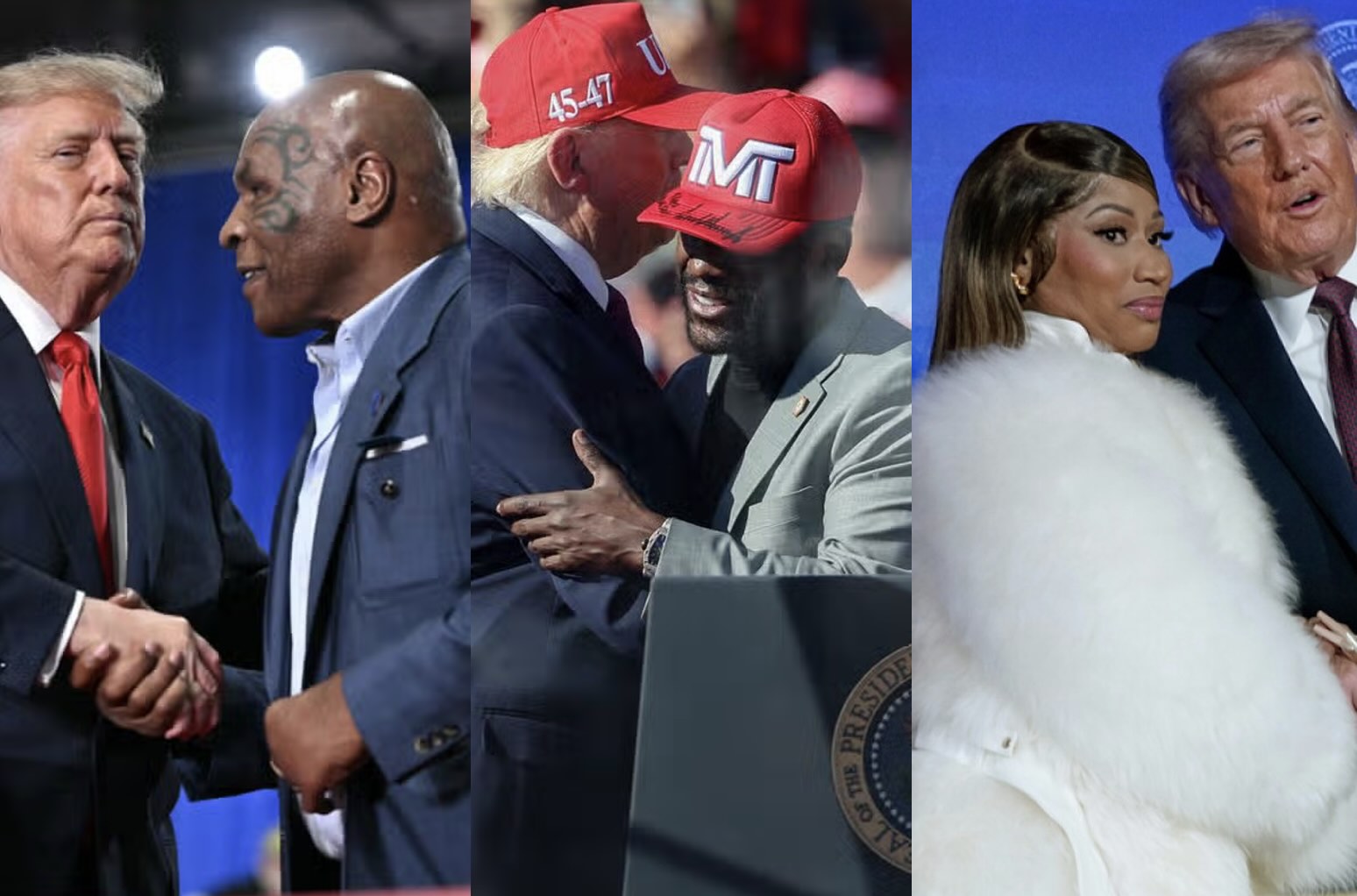
Photo: Emerald Book Image
In a 1963 television interview, Malcolm X did something that few public figures dared to do at the height of the civil rights movement: he turned his critique inward, toward the most visible and celebrated Black Americans of his era. Looking directly at the camera, he dismissed the notion that Black entertainers and athletes could serve as political leaders for their people. "Show me in the white community where a comedian is a white leader," he said. "Show me in the white community where a singer is a white leader, or a dancer, or a trumpet player... These aren't leaders; these are puppets and clowns that have been set up over the Black community by the white community and have been made celebrities."
The words landed like a bomb. Here was Malcolm X—the most feared and vilified Black political figure in America—attacking not the Ku Klux Klan or the segregationist sheriff, but the beloved icons of Black entertainment. Lena Horne. Dick Gregory. Sammy Davis Jr. These were the faces that white America had embraced, the ones invited onto late-night talk shows and into the living rooms of white families. And that, Malcolm argued, was precisely the problem.
More than sixty years later, his critique is not a relic of a bygone era. It is a diagnostic tool. The mechanism he identified—the elevation of Black celebrities as political validators for an establishment that has no interest in genuine Black liberation—has not only persisted but has been weaponized with unprecedented sophistication. The recent wave of high-profile Black celebrities endorsing Donald Trump is the latest and most glaring example of this dynamic at work. And while their individual reasons are varied, the structural impact is the same: the suffocation of collective Black political power in favor of individual, transactional, and ultimately hollow validation.
The 2026 Spectacle: A Case Study in Co-optation
Consider the current landscape. Mike Tyson, the former heavyweight champion whose personal history with Trump stretches back to the 1980s, flew on Marine One and appeared on stage with Trump at a campaign rally in Syracuse, New York. Floyd Mayweather, the undefeated boxing legend, told a crowd in Bullhead City, Arizona, that "we couldn't have chosen a better president twice than Donald Trump." Nicki Minaj, one of the best-selling female rappers of all time, declared herself Trump's "No. 1 fan," joined him at a U.S. Treasury Department event, urged young voters to "vote red" in the midterms, and served as a celebrity judge for the Trump administration's Small Business Administration "Million Dollar Pitch Competition."
These are not isolated incidents. They are part of a coordinated cultural offensive. Ye (Kanye West) wore a "Make America Great Again" hat and visited the Oval Office. Lil Wayne endorsed Trump after receiving a pardon. Kodak Black became an outspoken supporter after his sentence was commuted. Sexyy Red pointed to stimulus checks and pardons as reasons why "they support him in the hood." Waka Flocka Flame has consistently backed Trump on social media. Azealia Banks attended rallies. Amber Rose gave a prime-time speech at the 2024 Republican National Convention. Stacey Dash, the actress from Clueless, became a Fox News commentator and vocal Trump defender. Antonio Brown, the former NFL receiver, has praised Trump's business acumen. Don King, the legendary boxing promoter, has been a longtime associate. Herschel Walker, the Heisman Trophy winner and close personal friend of Trump, was heavily backed by him during his political career.
The sheer volume and diversity of these endorsements create a powerful illusion: that a significant, organic groundswell of Black support exists for a platform that is, by any objective measure, hostile to Black political interests. But this illusion is not accidental. It is manufactured.
The Damage: Not Votes, But Consensus
Here is where the empirical data becomes crucial. Study after study has shown that Black voters are among the most politically sophisticated voting blocs in America. They rely on deep-rooted community networks—local pastors, grassroots organizers, union leaders, family members—rather than mainstream media figures. A celebrity endorsement rarely overrides a voter's personal experience with local issues like healthcare costs, public school funding, or neighborhood safety. The University of Arkansas's research on celebrity endorsements confirms what Pew Research has documented for years: the vast majority of Black voters ground their political decisions in substantive, local concerns, not the opinions of the wealthy elite.
So if the votes don't change, what is the damage? The damage is cultural. The damage is psychological. The damage is the erosion of consensus. And it is devastating.
- Manufactured Confusion and Normalization: When a hyper-visible icon aligns with an administration that has rolled back civil rights protections, it creates a false narrative that the platform is up for debate within the Black community. It provides a shield of authenticity for opponents of Black progress, allowing them to point to a famous figure and say, "See? They don't think this platform is harmful."
- Promoting Individualism Over Collective Power: The underlying message of these endorsements is deeply anti-communal. By championing a "hustler narrative" that prioritizes individual wealth and personal escape, they promote an ideology where individual survival matters more than collective advancement. This framework erases the working-class realities of everyday people who cannot buy their way out of a systemic crisis.
- Starving Grassroots Movements of Attention: In a media economy built entirely on clicks and views, attention is a finite resource. A single controversial tweet from a major celebrity forces cable news, political podcasts, and social media feeds to spend days debating their comments. Meanwhile, the actual organizers, civil rights attorneys, and local activists doing the brutal, daily work of protecting voting rights are completely starved of the visibility, funding, and platforms they need to scale their impact.
This is what Malcolm X understood so clearly. The damage is not that these figures successfully lead the community down the wrong path. The damage is that they act as a massive weapon of mass distraction, fracturing unity and hijacking the conversation away from actual substantive progress. The problem is not that Black voters respect Black celebrities. Most Black voters understand the difference between cultural influence and political authority. The problem is that the media and the political establishment do not. They treat celebrity opinion as a proxy for community sentiment, and in doing so, they allow a handful of wealthy individuals to drown out the voices of the many.
The "Black MAGA" Mirage
It is important to acknowledge that some of the anger driving this support is legitimate. There is a real, deep, and growing frustration with the Democratic Party. There is a genuine sense among many Black voters—especially younger Black men—that they have been taken for granted, that their votes are expected but their concerns are ignored. There is a legitimate disillusionment with incremental change that has failed to deliver sweeping economic results.
But that anger is being exploited, not addressed. The Trump campaign has not offered a serious policy agenda for Black communities. It has offered a vibe. It has offered symbolic breaks and personal favors to a handful of celebrities and then used those favors to construct a narrative of community-wide benevolence. The "Black MAGA" phenomenon, as amplified by celebrity endorsements, is a mirage. It is a media spectacle that creates the illusion of a movement while the actual policy consequences—the rollback of DEI, the weakening of voting rights protections, the reshaping of federal guidelines on race and history—continue to accumulate.
And what of the celebrities themselves? Here, Malcolm X's warning about financial dependence becomes chillingly relevant. Celebrities rely on corporate and mainstream backing for their wealth and platforms. Their financial survival depends on the establishment. This does not mean they are paid agents or secret operatives. It means they operate within a system that has already set the boundaries of acceptable discourse. They are free to endorse whatever candidate they like, but they are not free from the consequences of their own class position. A celebrity who endorses Trump may genuinely believe they are speaking truth to power. But the power structure that elevated them to fame is the same structure that benefits from their endorsement. The irony is lost on no one.
What Real Leadership Looks Like
It is worth remembering that Malcolm X did not condemn all celebrities. He mentored Muhammad Ali. He maintained close relationships with figures like Sam Cooke. He recognized that talented Black artists and athletes could grow into political consciousness and use their platforms for genuine liberation. But he insisted on a crucial distinction: popularity is not a substitute for leadership. True leadership requires strategic depth, dedication to the community, and a willingness to sacrifice personal comfort for collective advancement.
The figures who exemplify this tradition are not the ones who get the most airtime. They are the civil rights attorneys fighting voter suppression in state legislatures. They are the community organizers building mutual aid networks in neglected neighborhoods. They are the grassroots activists who spend decades in obscurity, building power from the ground up, accountable to no one but the people they serve. These are the real leaders. And they are being systematically drowned out by a media culture that prefers the spectacle of celebrity to the substance of struggle.
The question, then, is not whether Black voters will suddenly abandon the Democratic Party because a rapper told them to. The data suggests they will not. The question is whether the relentless amplification of celebrity voices will continue to erode the cultural consensus that Black political power must be collective, strategic, and rooted in the lived experience of the most vulnerable. The question is whether the "puppets and clowns" will continue to be propped up as leaders, while the actual work of liberation remains underfunded, underreported, and misunderstood.
Malcolm X gave us the diagnosis. The cure is up to us. It begins with a simple refusal: the refusal to confuse fame with wisdom, access with accountability, and individual success with collective progress. Until that refusal becomes a movement, the mechanism will continue to grind on—and Black progress will continue to be stifled by the very figures who claim to represent it.
No Ads. By Us. For Us.
This article was made possible by readers like you. We hope it inspired you to support Emerald Book, so we can continue producing content like this.
We will never show you ads, sell your data, or require a subscription to consume our content. Your gift helps us keep the truth accessible.
Click the Support button to give a gift of any amount today.
Thank you for making this work possible.