

Emerald Pages
◆
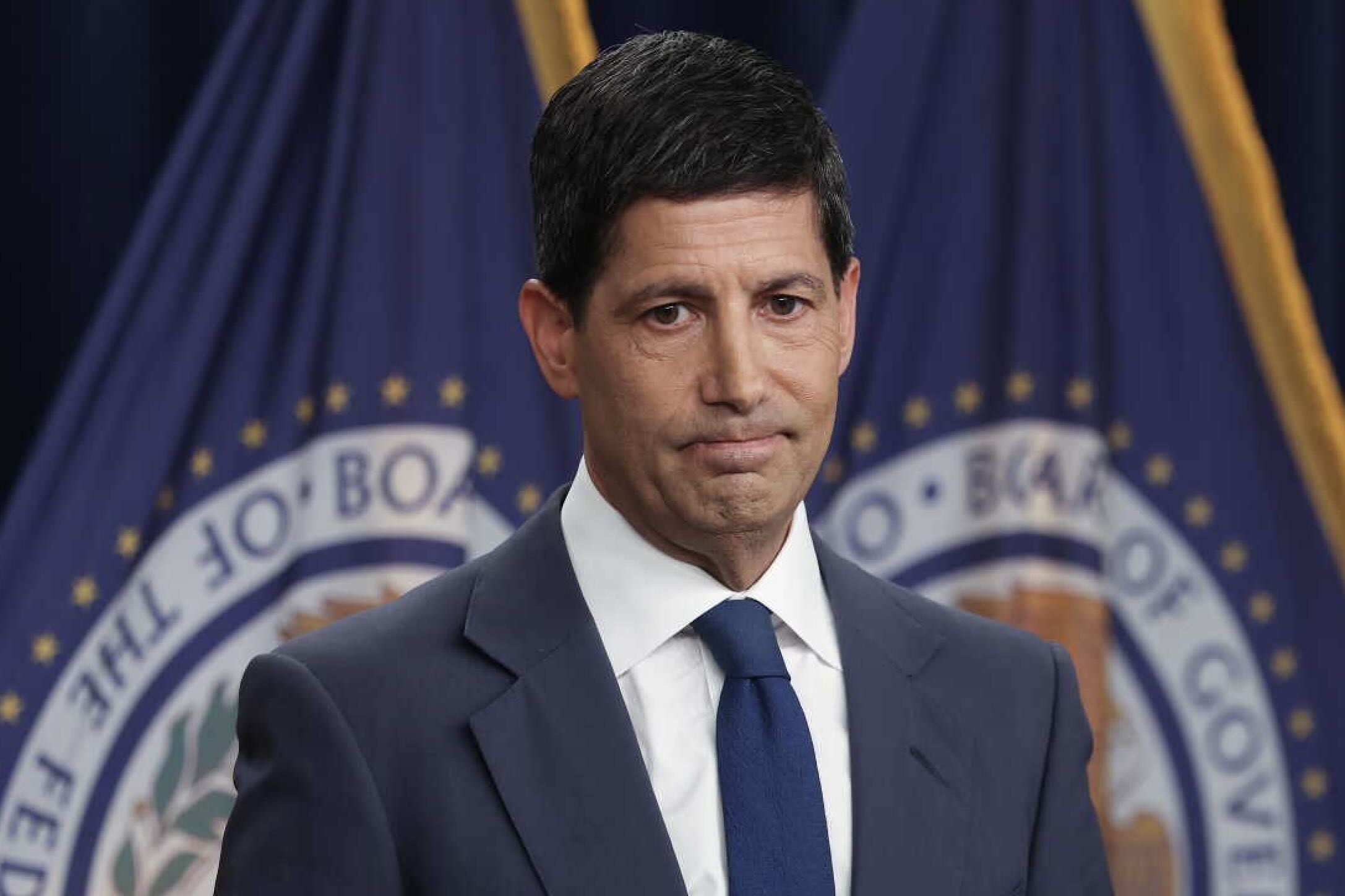
Kevin Warsh, Federal Reserve Chairman | Photo: Getty Images
The Federal Reserve unanimously voted to raise interest rates by a quarter of a percentage point this week, lifting the benchmark federal funds rate to a target range of 3.75% to 4%. It was the first hike since 2023, led by newly appointed Chairman Kevin Warsh, and it directly defied public pressure from Donald Trump, who has continually demanded the Fed slash rates to 1% or less. But beneath the headlines and the Dow's 631-point plunge lies a far more uncomfortable truth: This minor hike does not solve the structural crises bearing down on the economy. It is simply the only move the Fed has left.
Economists and market strategists broadly agree that a single 0.25% increase will not slow the massive forces gathering on the horizon. Trillion-dollar corporate debt roll-overs, the relentless global AI infrastructure spending spree, and the slow rot in commercial real estate are not problems that a quarter-point nudge can fix. So why did the Fed do it? Because doing nothing would have been worse—and doing too much would have triggered the crash early.
The Fed is walking an economic tightrope. If it raised rates aggressively by 1.00% or more, it would shatter the banking system and trigger the corporate debt defaults today. If it did nothing, inflation would run completely unchecked, hardening expectations and embedding high prices permanently. So it chose the only option left: a minor hike to buy time, look tough on inflation, and load up ammunition for the crisis to come.
The Four Walls Heading Toward 2028
When you factor in the converging crises heading toward 2028, a 0.25% interest rate hike looks less like a solution and more like trying to stop a tidal wave with a sandbag. The "slow burn" approach the Fed is playing right now assumes a normal, cyclical economy. But the next 24 to 36 months are facing unprecedented, structural walls that could radically alter the financial landscape.
- The Corporate Debt Maturity Wall: During the era of zero-interest rates, corporations loaded up on cheap debt. A massive wave of this corporate debt is scheduled to mature between now and 2028. Refinancing trillions at 4% or 5% instead of 0% will erase profit margins, leading to defaults, hiring freezes, and bankruptcies.
- The AI Capital Squeeze & Bubble Burst: Massive amounts of global capital are concentrated in propping up the tech sector and building AI data centers. If these astronomical investments continue to fail to translate into tangible profit by 2027–2028, the market faces a severe tech correction that will drag broader GDP down with it.
- Chronic Global Energy Shocks: Today's inflation is heavily driven by global supply disruptions. With ongoing warfare, shipping vulnerabilities, and climate pressures straining grids, the cost to move goods and power industries will remain volatile and elevated, bypassing whatever the Fed does to interest rates.
- Regional Banking Fragility: As higher rates stay embedded to fight structural inflation, the commercial real estate market continues to rot. The small and regional banks holding the vast majority of these bad property loans face an absolute reckoning as maturities hit over the next two years.
How a Minor Hike Prepares for the Wave
A minor hike does not prepare for the wave by changing the economy overnight; it prepares the Fed's financial architecture to absorb the shock when the wave finally hits. By executing a minor hike right now, Chairman Warsh and the FOMC are executing a strategic, multi-layered defense playbook that has little to do with taming today's inflation and everything to do with surviving tomorrow's crash.
The first layer is reloading rate ammunition. The absolute worst position for a central bank in a crisis is to have interest rates sitting near 0%. If the corporate debt maturity wall or a banking crisis triggers a severe recession in 2027, a Fed with zero rates has empty pockets. By inching the benchmark up to 3.75%–4.00% now, the Fed is quietly loading 400 basis points of room to aggressively slash rates and bail out the system when the walls hit. You have to raise rates during the "slow burn" just to have the leverage to cut them during the crash.
The second layer is unpredictability. Under previous leadership, the Fed gave markets a detailed roadmap months in advance. Warsh has destroyed that playbook, refusing to submit his own projections to the dot plot. A minor, unanimous 0.25% move serves as a probing maneuver. It asserts the Fed's independence from political pressure and forces Wall Street to brace for impact without the Fed prematurely breaking the system themselves.
The third layer is stealing the "wealth effect" momentum. Right now, the economy is running on artificial adrenaline, driven heavily by an astronomical asset boom in technology and AI. When consumers feel wealthy on paper, they spend aggressively, driving up the structural cost of everyday goods. A 0.25% hike doesn't stop a corporation, but it sends a shockwave through the stock market—as seen by the Dow instantly plunging over 600 points. By executing small, persistent hikes, the Fed is trying to quietly bleed the speculative premium out of the stock and bond markets, attempting to deflate the tech bubble slowly before it reaches a catastrophic, explosive popping point in 2028.
What This Means for Your Capital
The Fed is moving slowly because they are driving a massive train and can only look one or two quarters ahead. They are trying to build a buffer before the structural walls hit. Since the multi-year wave coming is clearer than the retail market, your objective shouldn't be matching the Fed's pace—it should be outrunning it. When you recognize that a major macroeconomic shift is coming, the goal changes from chasing growth to building an ironclad financial foundation.
- Eliminate Vulnerabilities First: Before worrying about market returns, clear any toxic, variable-rate debt. If the economy hits a wall in 2027, carrying high-interest debt while facing potential job market volatility is the highest-risk position you can be in.
- Max Out Liquidity and Capital Preservation: Cash and cash equivalents—short-term Treasury bills, High-Yield Savings Accounts—are no longer just safe havens; they are strategic tools. Securing a 4.5% to 5% risk-free yield keeps your capital safe from a stock market correction while giving you maximum flexibility to pivot when assets misprice during a downturn.
- Focus on Hard, Self-Sustaining Value: In a highly volatile macroeconomic environment, asset classes that rely purely on speculative sentiment are incredibly vulnerable. Value will flow toward businesses and tangible assets that possess genuine utility, high pricing power, and self-sustaining cash flow.
The Fed's decision to raise rates by a quarter point is not a sign of strength. It is a signal of how trapped the central bank has become—caught between an inflation fire it cannot fully extinguish and a structural wall it cannot stop. For the average consumer, the lesson is clear: The slow burn is but a blip in the waves to come.
No Ads. By Us. For Us.
This article was made possible by readers like you. We hope it inspired you to support Emerald Book, so we can continue producing content like this.
We will never show you ads, sell your data, or require a subscription to consume our content. Your gift helps us keep the truth accessible.
Click the Support button to give a gift of any amount today.
Thank you for making this work possible.