

Emerald Pages
◆
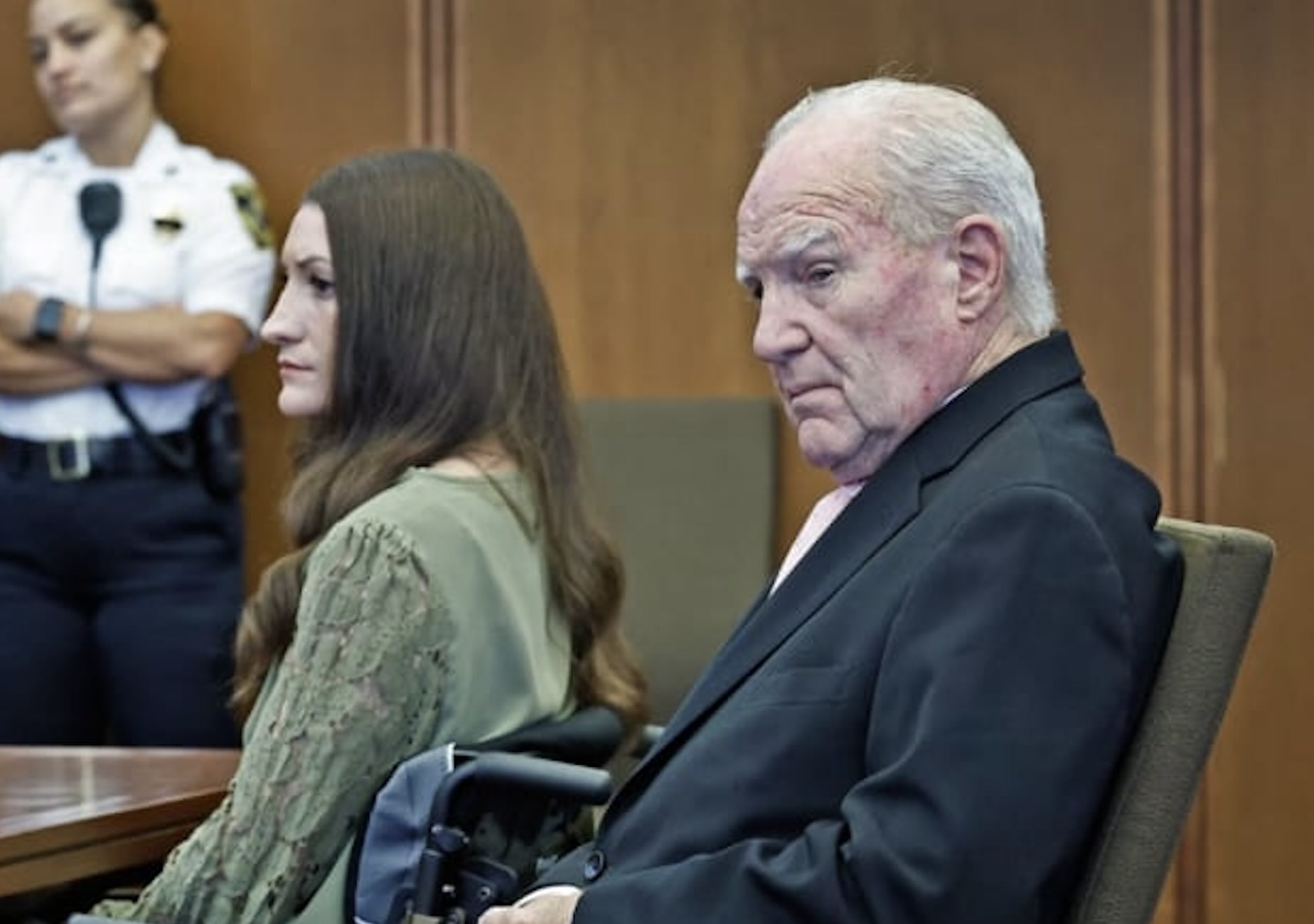
Photo: NBC News
It is one of the most jarring contradictions in the American legal system. A parent can be jailed for missing child support payments, effectively imprisoned for being poor. Meanwhile, Lindsay Clancy, a white woman from an affluent background, systematically killed her three young children and, at least for now, has walked away from a murder conviction due to a deadlocked jury.
On September 4, 2026, Judge William Sullivan officially declared a mistrial in the Lindsay Clancy case after a five-week trial and roughly 38 to 40 hours of deliberations spanning seven days. The 12-person jury reported they were completely deadlocked and unable to reach a unanimous verdict. The final split? An 11-1 deadlock in favor of acquittal — with 11 jurors believing Clancy was not criminally responsible due to severe postpartum psychosis.
The trial was never about whether Clancy killed her children. She admitted to strangling Cora, Dawson, and Callan in January 2023 before jumping out of a top-floor window, an act that left her paralyzed. The defense, led by high-profile attorney Kevin Reddington, argued she was completely incapacitated by severe postpartum psychosis and was not legally responsible for her actions. The prosecution countered that her actions were planned and intentional.
The Holdout Drama and Legal Maneuvering
The final days of the trial involved significant courtroom tension. The other 11 jurors — who favored an acquittal — sent notes to the judge accusing the lone holdout juror of acknowledging reasonable doubt but refusing to apply it according to the law. Clancy's defense attorney requested an emergency stay to petition the Massachusetts Supreme Judicial Court to investigate or remove the holdout juror, but the high court declined to intervene. Judge Sullivan subsequently declared the hung jury a mistrial.
- 5-week trial with 7 days of jury deliberation
- 11-1 split in favor of acquittal by reason of lack of criminal responsibility
- Defense sought emergency stay from Massachusetts Supreme Judicial Court — denied
- Judge declares mistrial; case resets to square one
- Status hearing scheduled for September 29, 2026
But a mistrial does not mean Clancy was found guilty or not guilty. The criminal charges against her remain active. The Plymouth District Attorney's office must now decide whether to retry the case with an entirely new jury, attempt to negotiate a plea agreement, or drop the charges entirely. A Rule 25 motion filed by the defense asks the judge to rule that the prosecution's evidence was so legally weak that no reasonable jury could ever convict her — though legal experts note this is "rare in the extreme."
Jailing the Poor
Now, contrast that reality with how the system treats those who cannot pay child support. Each year, thousands of Americans are jailed not for a crime, but for civil contempt of court related to child support. The legal logic is that the parent is "willfully" refusing to pay a court-ordered obligation. But the reality is far more sinister.
When a parent is incarcerated for non-payment, they often lose their job, their debt continues to accrue, and their ability to ever pay off the arrears becomes nearly impossible. The child support order doesn't automatically pause — the debt keeps growing, plus interest, every month they are behind bars. Once released, they now have an incarceration record, making it drastically harder to find a job that pays enough to cover the old debt and new payments.
Critics point out the absurdity: the government is often unwilling to provide a low-income family with financial assistance to keep a child at home, but will spend thousands of dollars to place that same child in foster care and then bill the impoverished parents for the cost. The state provides foster parents with a monthly stipend — anywhere from $500 to over $1,000 per month per child — but then automatically triggers a child support case against the biological parents to reimburse the state.
In fact, a 2022 NPR investigation found that in some states, failing to pay back this foster care debt can legally lead to parents permanently losing their parental rights. Roughly 75% to 80% of all child welfare removals are for neglect, not physical abuse — and the vast majority of these families live well below the poverty line.
The Price Tag of Justice: $1.2 Million
The Clancy defense was powered by a massive online fundraiser called The Musgrove Family Fund, which raised over $1.2 million from more than 35,000 donors. This money allowed her family to absorb the relentless, multi-year financial drain of a high-stakes capital trial. It paid for Kevin Reddington, a legendary, highly sought-after Massachusetts trial lawyer who normally charges massive corporate rates — though he eventually took a reduced state rate of $120 per hour once the family's personal savings ran low.
Wealth buys the ability to fight. It buys the time to force the system to slow down and examine every technicality. It buys the medical credibility to convince a jury that a horrific act was a "medical tragedy" rather than a crime.
The laws are identical on paper, but the system is fundamentally designed to yield under financial pressure. When you have the capital to fight back, you get a system that operates with caution, nuance, and constitutional protections. When you lack resources, you get a system that operates with speed, indifference, and incarceration.
Who Gets Grace
The disparity is even more glaring when viewed through the lens of race. Legal scholars and criminologists point out that the leniency, medical empathy, and specialized defense Clancy received are rarely extended to Black women.
Black women in the U.S. face a documented crisis in maternal healthcare. They are statistically far less likely to have their postpartum depression or anxiety diagnosed or taken seriously by medical professionals. Because they face higher barriers to quality mental healthcare, when a tragedy occurs, a Black mother is much less likely to have a pre-existing paper trail of psychiatric evaluations to prove she was suffering from a condition like postpartum psychosis.
Criminology studies consistently show that the justice system views crimes through a racialized lens: white women who commit filicide are frequently framed by the media and the legal system as deeply tragic figures who suffered a severe medical break. Black mothers, who commit the exact same tragic acts are disproportionately framed as willfully malicious, neglectful, or inherently violent.
The "Not Guilty by Reason of Insanity" (NGRI) defense is overwhelmingly raised by and granted to white defendants. When a Black mother is involved in a severe mental health crisis resulting in the death of a child, the cases rarely make it to a high-profile, five-week trial with an expensive expert-witness defense team that can trigger an 11-1 jury deadlock. Instead, they are frequently funneled rapidly through plea bargains to long-term prison sentences.
No Ads. By Us. For Us.
This article was made possible by readers like you. We hope it inspired you to support Emerald Book, so we can continue producing content like this.
We will never show you ads, sell your data, or require a subscription to consume our content. Your gift helps us keep the truth accessible.
Click the Support button to give a gift of any amount today.
Thank you for making this work possible.