

Emerald Pages
◆
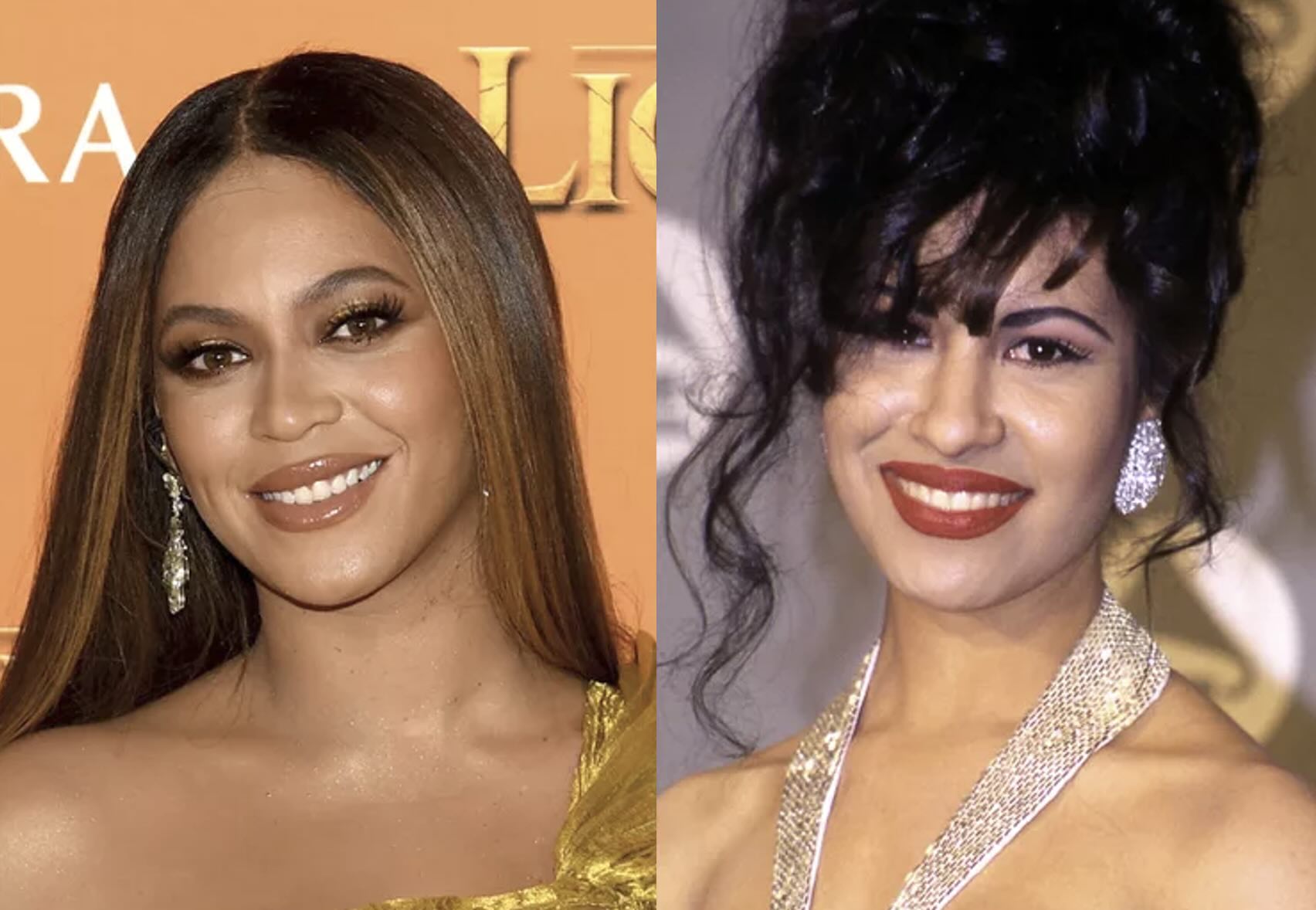
Beyoncé (left) and Selena Quintanilla (right) | Photo: Getty Images
In September 2026, Beyoncé released "Irreemplazable (Como La Flor)" as part of the 20th-anniversary deluxe edition of B'Day. The track, a mashup of her 2007 Spanish-language recording with the legendary vocals of Tejano icon Selena Quintanilla, was a tribute to a childhood idol and a celebration of their shared Texas roots. The Selena estate, including her widower Chris Pérez, gave their full blessing. Instead of celebration, a wave of backlash from segments of the Mexican-American and Latino communities accused Beyoncé of cultural appropriation. The criticism soon pivoted from music to politics, with detractors claiming she was silent on issues like ICE and immigration enforcement. The outrage, however, is not just misguided—it is a masterclass in paradoxical logic, built on a foundation of factual inaccuracies and a profound double standard.
The "cultural appropriation" argument is the first pillar to crumble under scrutiny. Sociologists define cultural appropriation as the unacknowledged adoption of elements by a dominant culture from a marginalized one, stripping it of context and credit. Beyoncé, a Black woman from Houston, is not a member of a historically dominant culture. She explicitly credited Selena, featured her original vocals, and secured legal and familial permission. She did not rebrand the music as her own, nor did she "cosplay" as a Latina. She engaged in a textbook act of cultural appreciation, celebrating a shared Texas heritage that has deeply influenced both Tejano and R&B traditions.
The pivot to politics reveals the true paradox. Critics argue that Beyoncé cannot sample Latin music while remaining silent on the harsh political realities of the Latino community, specifically ICE crackdowns. This claim is factually incorrect. Beyoncé has not been silent: she heavily endorsed Kamala Harris, who ran on a platform against Trump's hardline immigration policies. Furthermore, she legally forced ICE to stop using her music in their promotional and enforcement videos. She took concrete action against the very institution critics claim she ignores.
The Voting Reality: A Contradiction Critics Ignore
The paradox deepens when we consider the voting records of the Latino community itself. Nearly half of the Latino electorate voted for Donald Trump, who championed the border enforcement and deportation policies that are now being weaponized against a Black artist who actively campaigned against him. Critics are holding Beyoncé accountable for a political environment that she fought against, while ignoring the fact that a massive portion of their own demographic voted to create it. The argument that she "doesn't speak up against ICE" collapses entirely when you realize she endorsed the candidate opposed to those policies and legally blocked the agency from using her work.
- Beyoncé's Stance: Endorsed the Democratic platform, campaigned against Trump, and legally blocked ICE from using her music.
- Latino Voting Reality: Nearly half of Latino voters supported Trump and his hardline immigration agenda.
- The Paradox: Critics demand Beyoncé answer for ICE, while ignoring that their own community helped empower the very enforcement they claim to oppose.
The Asymmetry of Solidarity: A One-Way Street
The most glaring paradox lies in the expectation of unilateral solidarity. The same voices demanding Beyoncé speak out on their issues have remained largely silent on the systemic crises plaguing Black America. Where is the mass mobilization from Latino influencers and organizations when Nolan Wells die under suspicious circumstances? Where is the outrage for police brutality, disproportionately high Black unemployment, and the concerning rise of lynchings that Black communities continue to face? The silence is deafening.
Meanwhile, mainstream Latin music—from reggaeton to Latin trap—is built on the foundational architecture of Black musical traditions: reggae, dancehall, and hip-hop. This massive cultural debt has rarely translated into political allyship. A growing segment of the Latino electorate has shifted toward platforms that defund social programs and oppose civil rights protections fundamental to Black American interests. Critics demand that Beyoncé answer for immigration policies while ignoring the fact that their own community has both extracted Black culture for decades and failed to show up for Black political struggles.
The Historical Debt: Black Culture as the Foundation
The accusation of cultural appropriation is particularly ironic given the long history of Latino artists appropriating Black musical forms. Reggaeton, one of the most globally dominant Latin genres, evolved directly from Jamaican reggae, dancehall, and African-American hip-hop. The aesthetic—the fashion, the slang, the vocal cadences—has been heavily borrowed from Black culture. Yet when the tables are turned and a Black artist enters a Latin space, the response is gatekeeping and accusations of theft. This double standard exposes a deep-seated hypocrisy.
Historically, Black Americans have anchored the legal and social battles that expanded rights for all minority groups. The Civil Rights Act of 1964 and the Voting Rights Act of 1965 laid the groundwork that directly benefited Latino Americans in fighting discrimination and securing voting access. Leaders like Fred Hampton of the Black Panther Party explicitly partnered with Puerto Rican nationalist groups to form the original Rainbow Coalition, uniting urban Black and Latino communities against poverty and police misconduct. Yet this leadership has rarely been reciprocated when Black communities face systemic violence or economic disenfranchisement.
Moving the Goalposts: The Bad-Faith Backlash
The backlash against Beyoncé is a textbook case of moving the goalposts. When the cultural appropriation argument failed—because she had permission, credited Selena, and remained firmly in her Black identity—critics shifted to politics. When her political record proved she had actively campaigned against the administration enforcing ICE policies, critics shifted again, demanding she make public statements while ignoring the voting reality of their own community.
The reality is simple: Beyoncé doesn't need to appropriate any culture. Her success was solidified years ago. She is a billionaire, a global icon, and a legend in her own right. Her Selena tribute was a passion project, a nostalgic homage to a childhood idol from her home state. The outrage is not about music or politics. It is about gatekeeping—a protective instinct that has curdled into hypocrisy, demanding standards from an outsider that the community itself does not practice.
The Beyoncé backlash is a perfect, painful case study in modern performative outrage. It is a movement fueled not by facts or logical consistency, but by a hypocritical protective instinct. The music is a tribute, the politics are progressive, and the history is one of extraction. The only thing being appropriated here is a false narrative to justify a double standard.
No Ads. By Us. For Us.
This article was made possible by readers like you. We hope it inspired you to support Emerald Book, so we can continue producing content like this.
We will never show you ads, sell your data, or require a subscription to consume our content. Your gift helps us keep the truth accessible.
Click the Support button to give a gift of any amount today.
Thank you for making this work possible.