

Emerald Pages
◆
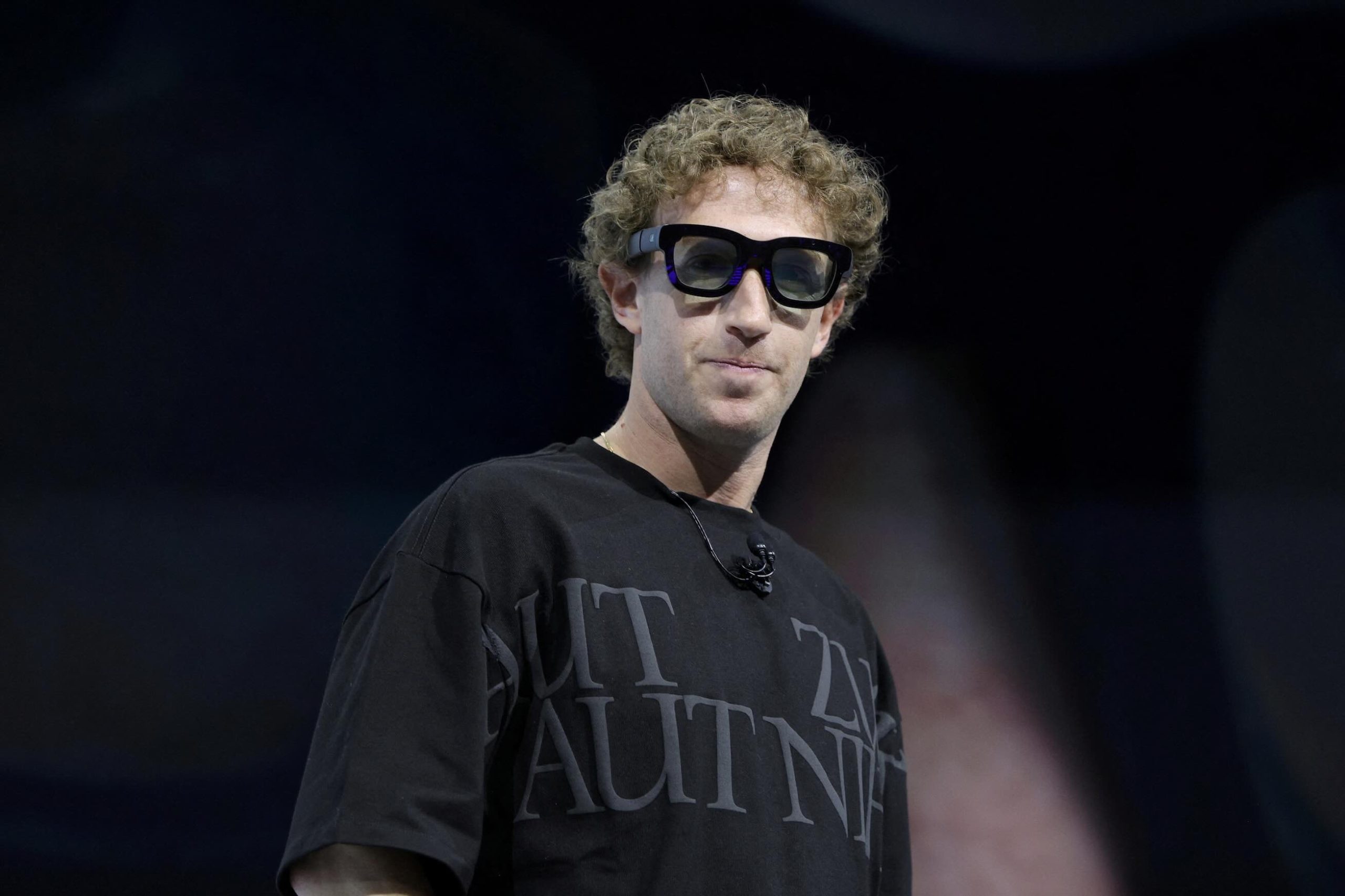
Photo: Reuters
In June 2026, Meta officially launched "Instagram Plus," a $3.99 per month subscription service that offers users the ability to natively change their bio fonts, customize app icons, lurk on Stories anonymously, and extend Story lifespan to 48 hours. On the surface, it seems like a premium perk for power users—a harmless way to monetize aesthetic preferences. However, the decision to charge for a feature as simple as changing a typeface comes at a time when the platform is facing a crisis it seems unwilling—or unable—to solve: the overwhelming, incessant flood of scammers, bots, clone accounts, and fraudulent advertisements.
The disparity is jarring. Changing a font just a line of code. Meta, however, argues that cross-platform compatibility across thousands of Android devices and every generation of iPhone, along with typography design investments like their proprietary Instagram Sans and Instagram Mono, justify the cost. But if the platform can detect a user trying to change their font and build a global paid subscription overnight, why can't it stop the avalanche of scammers flooding users' DMs and comment sections every single day?
The answer lies not in a lack of technology, but in a fundamental misalignment of incentives. According to leaked internal documents obtained by investigative reporters, Meta's own projections calculated that approximately 10% of its global revenue—amounting to roughly $16 billion—came from advertising tied to scams and banned products. The company reportedly serves an astronomical 15 billion "higher risk" or potentially fraudulent ads to users every single day. When scam ads represent billions in revenue, the platform has a massive financial disincentive to build strict, zero-tolerance filters that would cut off that cash flow.
The 95% Confidence Threshold: A Loophole for Fraud
The internal documents revealed even more damning details about Meta's enforcement practices. The company reportedly only bans advertisers when their automated systems hit a 95% confidence threshold that they are committing outright fraud. If an advertiser is flagged as "highly suspicious" but falls below that 95% line, the system is designed to charge them higher ad fees rather than kick them off the platform entirely.
This practice highlights a massive conflict of interest. Meta collects premium ad fees from suspicious actors on one side, while simultaneously upcharging everyday creators and brands for subscription packages like Meta Verified ($14.99/month) to protect themselves from the very clone accounts and scammers the system lets through. It's a two-sided revenue stream: profit from the scammers' ad spend, and profit from the victims trying to protect themselves.
The "revenue guardrails" built into Meta's trust and safety teams are perhaps the most telling detail. Internal memos dictated that the team vetting questionable advertisers was not allowed to take enforcement actions that would cost the company more than 0.15% of its total revenue (about $135 million) without executive approval. If cleaning up scams cost the company too much money, the safety teams were forced to back off.
Turning Scammers Into Verified Users
The introduction of Instagram Plus and the simultaneous expansion of "Meta Verified"—a service that allows almost anyone to purchase a blue verification checkmark for $14.99 a month—has inadvertently created a "pay-to-play" pipeline for fraudsters. For over a decade, the blue checkmark was a symbol of trust, notoriety, and authenticity. It meant the account was vetted by the platform. By turning it into a subscription, Meta has armed scammers with the ultimate weapon: instant, algorithmically boosted legitimacy.
- The Deceptive Authority Effect: Scammers pay for a blue check, register a lookalike name (e.g., @official_brand_support), and instantly inherit a decade's worth of user trust. Victims lower their guard because they were trained to trust the checkmark.
- Algorithmic Boosting: Meta Verified explicitly promises "increased visibility and reach" in search results, comments, and recommendations. A scammer's comment gets pushed to the top of popular posts, maximizing the number of potential victims they reach.
- The Name-Change Loophole: Scammers verify an account under their real name, then make slight, deceptive adjustments to their profile picture, bio, and display layout to mimic a major brand, customer support line, or celebrity.
- The Lurking Tools: Features like Story Preview and Anonymous Viewing included in Instagram Plus allow scammers to monitor potential victims silently. They can check if a target is active, see who they interact with, and read DMs without triggering a "Read" receipt—allowing them to plan their approach without alerting the target.
- Exploiting Story Spotlight: If a scammer hacks an account, they can pay the $3.99 fee for Instagram Plus and use the Story Spotlight feature to force their malicious link or fake emergency cash request directly to the front of the victim's entire friend list before the real owner can regain control.
The math is simple for scammers. Higher operating costs do not dissuade internet fraudsters. If a scammer pays $15 a month for Meta Verified and catches just one victim for $2,000, the subscription paid for itself hundreds of times over. Meta's paid tiers have inadvertently created a "pay-to-play" pipeline where bad actors gladly hand over a small cut of their stolen profits in exchange for the exact tools that make their scams easier to pull off.
The scam ecosystem extends beyond clone accounts and crypto cons. Millions of Instagram users are bombarded daily with ads for mobile games that show engaging, fun-looking puzzle gameplay—only to download the app and find a completely generic, low-quality match-3 or base-building clone. These "fake game ads" exploit the exact same revenue-first loopholes as the scam ad market.
The Irony: A Paywall for Customer Support
Perhaps the most infuriating twist in this entire saga is that Meta introduced "direct access to human account support" as a paid perk of Meta Verified. This means that if an everyday user gets their account hacked or cloned by a scammer, they often cannot get a human to help them unless they pay Meta for a subscription. It creates a deeply unfair system where users have to pay to fix a problem that Meta's own paid systems helped create.
It's a stark illustration of a massive shift in big tech: safety and trust are no longer treated as foundational pillars of the platform, but rather as premium features sold to the highest bidder. The system is designed to profit from the problem rather than solve it.
Optimized for Revenue, Not Safety
The conclusion is unavoidable: Instagram was not designed for safety; it was designed for revenue. The platform's entire infrastructure is optimized to generate engagement and capture attention, and scammers—whether they are crypto con artists, identity cloners, or fake game developers—are some of the most profitable attention-grabbers on the internet.
It seems like Instagram wasn't designed for safety and more for scammers. When you lay out all the pieces—the 10% revenue from high-risk ads, the 95% enforcement threshold that upcharges suspicious accounts instead of banning them, the paywalled verification that turns the blue check into a scammer's best friend, the lurking tools that help fraudsters stalk victims, and the fake game ads that exploit psychological loopholes—it becomes clear that the system will always reward whatever it is optimized to do.
Right now, Instagram's code is optimized to generate revenue and capture attention. And unfortunately, scammers are some of the most profitable attention-grabbers on the internet. While a font paywall takes a relatively simple line of code to implement and package as a subscription, fixing the scam ecosystem would require Meta to actively turn away billions of dollars in ad revenue. Until that financial incentive changes, the fonts will be locked behind a paywall, and the scammers will keep running free.
No Ads. By Us. For Us.
This article was made possible by readers like you. We hope it inspired you to support Emerald Book, so we can continue producing content like this.
We will never show you ads, sell your data, or require a subscription to consume our content. Your gift helps us keep the truth accessible.
Click the Support button to give a gift of any amount today.
Thank you for making this work possible.