

Emerald Pages
◆
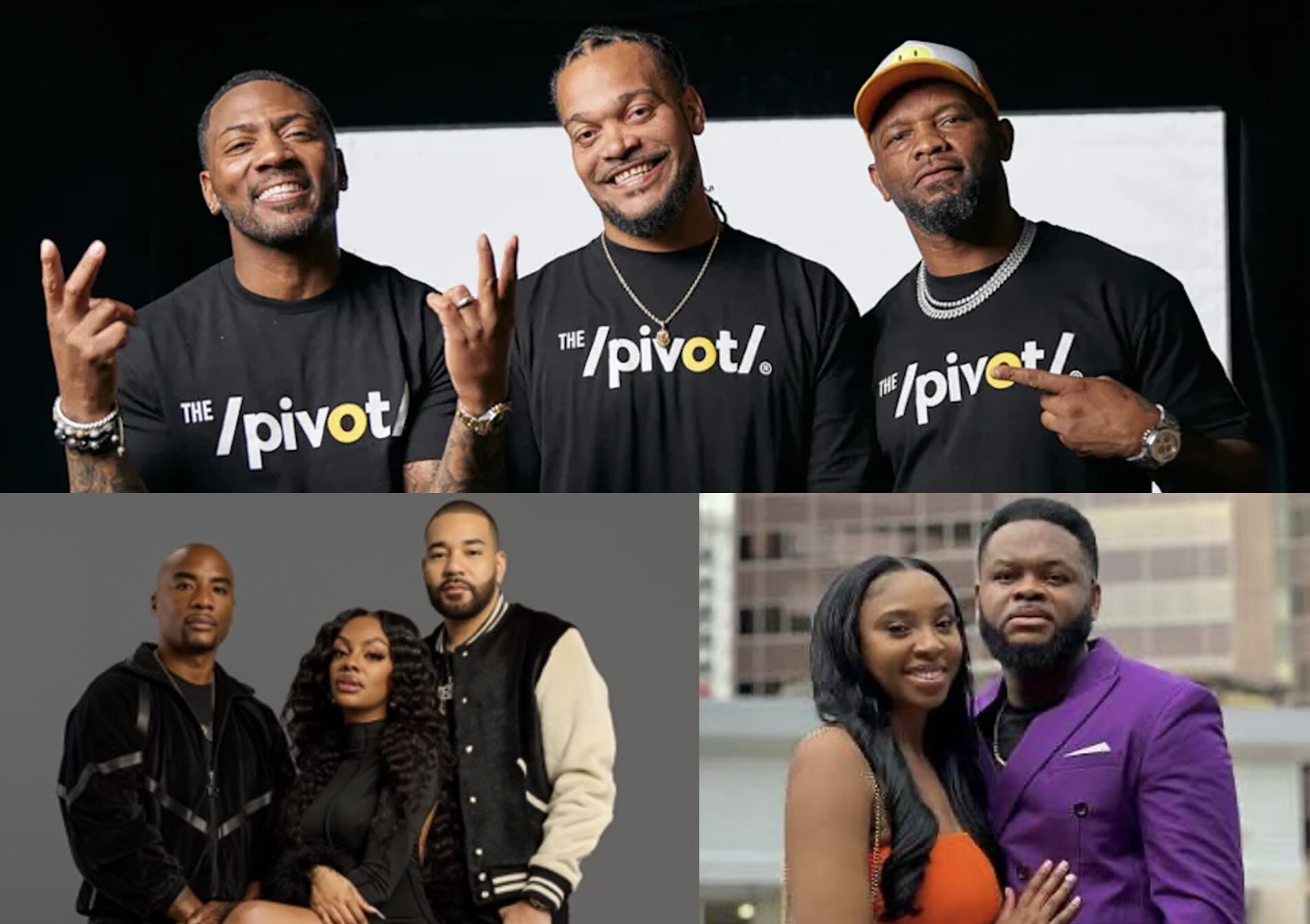
Photo: Emerald Book Image
Netflix's aggressive acquisition of top Black-led podcasts like The Breakfast Club and The Pivot Podcast isn't a celebration of culture—it is a calculated, desperate act of a company trying to prop up a broken business model. The streaming giant, once a pioneer of prestige television, is now in full damage-control mode, with the platform being flooded with generic TV shows and movies that increasingly look like “slop.” By trading millions in upfront cash for exclusive video rights, Netflix is hoping to capture the engaged audiences of YouTube's biggest creators. However, in doing so, they are systematically destroying the very thing that made these shows valuable: their community.
The strategy is simple on paper. In a flat-rate subscription model, a dollar from a subscriber watching a $200 million blockbuster like Stranger Things is the same as one watching a cheaply produced podcast. This is the core problem of the streaming economy: there is no direct value link between quality and revenue. The best and the worst get the same price. By buying up pre-existing internet networks, Netflix solves its biggest financial problem: buying an audience instead of building one. It's a move to secure daily viewing habits and fill the feed with hundreds of hours of content for pennies on the dollar compared to scripted dramas. This shift is evident in Netflix's changing library: prestige scripted originals have dropped from an estimated 60% to 35% of its mix, while aggregated podcasts and live sports have surged to nearly 25% as they attempt to build daily login habits.
However, this plan has a fatal flaw: YouTube creators thrive on active engagement, while Netflix is a passive content graveyard. When a show like The Breakfast Club or The Pivot moves behind a paywall, it immediately loses three things that built its empire: the interactive comment section, the real-time feedback loop, and the viral algorithm that brings in new fans. The move from a free, open platform to a paid, closed ecosystem is a death sentence for cultural relevance. People do not log into a paid streaming platform to watch two people talk in front of microphones for two hours. The content fits Netflix's business model—but it doesn't work for creators.
The Numbers Don't Lie: A 50% Drop in Engagement
The data paints a grim picture of this strategy's failure. When The Breakfast Club restricted its YouTube uploads to short clips after signing with Netflix, their monthly viewership plummeted by nearly 50%, dropping from a massive 27 million views to just 13 million. Even co-host Jess Hilarious publicly acknowledged on social media that the fans they spent a decade building on YouTube felt completely "neglected." In a desperate and clear sign of panic, they began sneaking "Full Show" audio content back onto YouTube, a direct admission that the Netflix deal was killing their engagement and cultural footprint. They were trying to have their cake and eat it too—taking Netflix's massive paycheck while running back to YouTube so the culture wouldn't forget them.
The same fate is likely awaiting The Pivot Podcast, which signed a multi-year deal in August 2026 immediately after host Ryan Clark was let go by ESPN. By trading guaranteed money for the exclusive rights to their video content, the hosts—Clark, Channing Crowder, and Fred Taylor—are walking into the same trap. Fans have already voiced their concerns on social media, warning that the lack of community interaction on Netflix will tank their numbers, just as it did for The Breakfast Club. The creators chose the absolute safety of a corporate budget over the unpredictability of keeping the platform free and independent, potentially sacrificing the nearly 1 billion views they had built on social media.
- Loss of Community: The comment section, which is half the entertainment for shows like The Breakfast Club, is non-existent on Netflix. The experience becomes isolated and lonely.
- No Viral Algorithm: Netflix is a closed ecosystem. Without the ability to share and link clips freely on social media, the shows stop growing and reaching new audiences.
- Consumer Friction: The app-switch barrier is too high for a casual, background activity like podcast listening. People don't want to open a separate, paid app for what they are used to getting for free.
The Exception That Proves the Rule
While many creators are falling into this trap, a few have shown it's possible to leverage corporate money without selling their soul. The team behind Pop the Balloon or Find Love executed a perfect strategy. They treated the Netflix version (Pop The Balloon LIVE) entirely as a separate side project while keeping their real baby completely independent. They maintained their independent YouTube show, used the Netflix paycheck to fund international expansion (like Pop the Balloon UK), and let Netflix bear the risk of the flop. When the corporate backlash came—with critics calling the Netflix version "corny," "whitewashed," and full of "paid actors"—the audience simply ran back to the authentic version on YouTube. They didn't sell their soul; they rented out the concept.
The Pop the Balloon example also highlights another key issue: when Netflix tries to sanitize and "gentrify" internet culture, it fails. The Netflix version was panned for recasting the host, "watered down" casting, and forcing reality TV tropes, stripping the show of its cultural identity. This is the ultimate result of a tech aggregator trying to manufacture "content" using an algorithm—they often destroy the very art and authenticity that made the audience care in the first place.
The Inevitable Fallout: Trading Relevance for a Paycheck
This brings us to the ultimate question: why are creators like The Breakfast Club, The Pivot, and others falling for this? The answer is simple. YouTube's monetization algorithm is notoriously unstable, and Netflix offers these hosts massive, guaranteed contracts up front. Furthermore, Netflix allows them to keep their audio-only rights on free platforms like Apple Podcasts, so they don't completely lose touch with their core audience. But as we've seen, they are trading their long-term digital communities and cultural relevance for a guaranteed, immediate paycheck. They are giving up the very thing that made them famous: free, algorithmic reach.
The long-term damage is becoming clear. Netflix's strategy of acquiring Black-led podcasts is not about cultural celebration—it is about low-cost content that fits their flat-rate business model. But as the numbers show, creators can't survive long-term in Netflix's quiet, comment-free content cemetery. They are trading relevance for a paycheck, and in the process, they are destroying the communities that built them.
No Ads. By Us. For Us.
This article was made possible by readers like you. We hope it inspired you to support Emerald Book, so we can continue producing content like this.
We will never show you ads, sell your data, or require a subscription to consume our content. Your gift helps us keep the truth accessible.
Click the Support button to give a gift of any amount today.
Thank you for making this work possible.