

Emerald Pages
◆
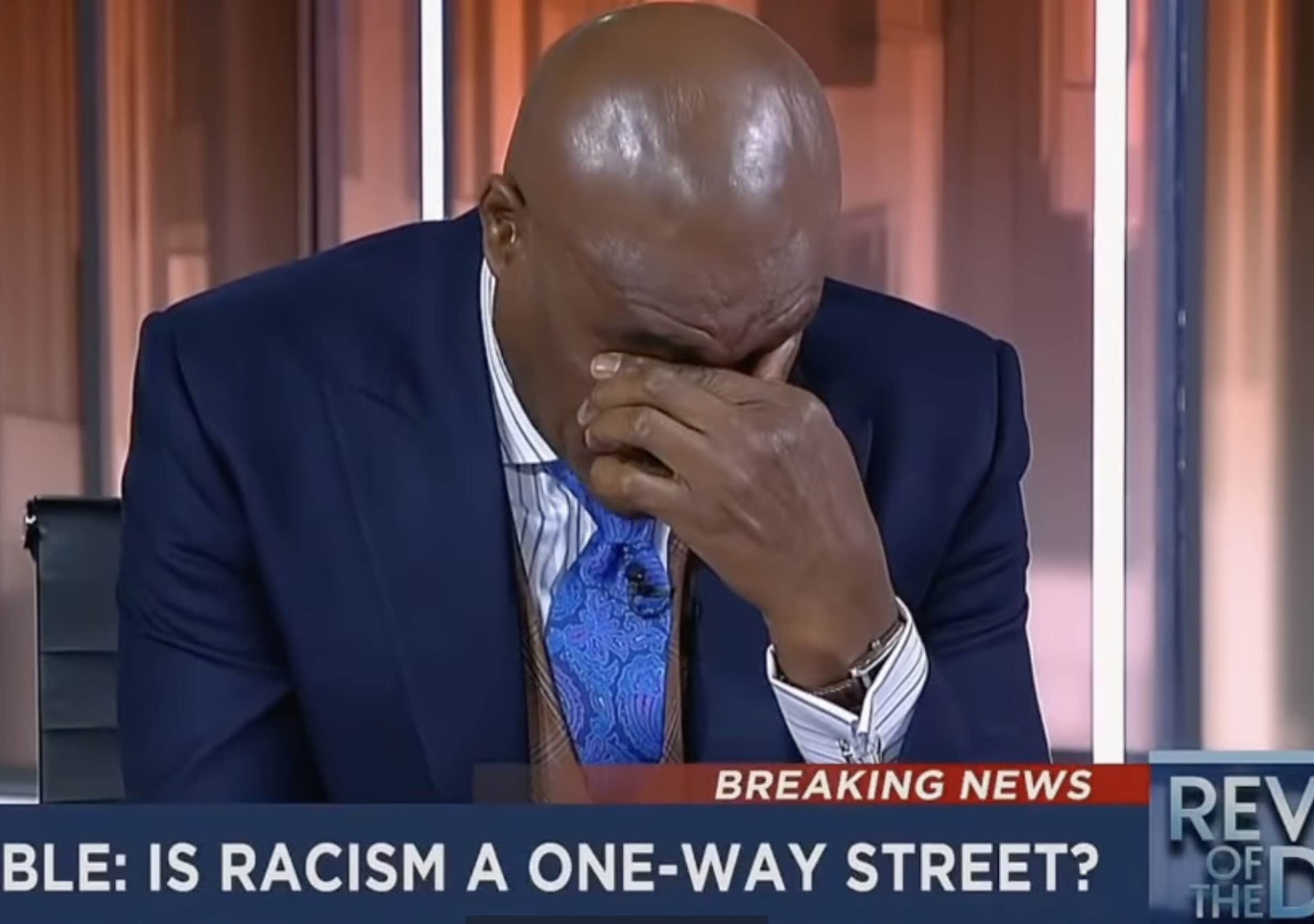
Photo: Delroy Lindo as attorney Adrian Boseman in The Good Fight
The obsession is palpable. In online forums, private group chats, and anonymous comment sections, a recurring question surfaces with alarming regularity: "Why can't I say the N-word?" This query is rarely asked out of genuine curiosity or a desire for understanding. Instead, it is often the prelude to a demand, a complaint, or a defiant act of transgression.
The non-Black individual fixated on using this specific slur is not engaging in a debate about linguistics or free speech. They are revealing a profound sense of entitlement. To understand this dynamic is to look beyond the word itself and examine the psychology of defiance, the weight of ignored history, and the structural privilege that makes a boundary feel like an insult.
This relentless need to utter a word that has been used for centuries to dehumanize, terrorize, and subjugate Black people is not a quirk of human nature. It is a clear, predictable behavioral pattern rooted in psychological reactance, historical amnesia, and a global legacy of dominance.
The Psychology of the "Forbidden Fruit"
The first layer of this entitlement is purely psychological. When society places a strict and clear taboo on a word, it creates an allure for some. This is known as "psychological reactance," a concept in behavioral psychology where humans feel an urge to do something precisely because they are told they cannot.
For a person accustomed to total access, this boundary is not a request for respect; it is a challenge to their freedom. The desire to say the word is often not about the word itself, but about the thrill of crossing a forbidden line. It is the "forbidden fruit" effect, where the restriction itself creates the desire. The defiant mindset sees the boundary set by the Black community not as a measure of safety, but as a restriction on their personal liberty.
A Refusal to See the Weight of History
The second, and perhaps most critical, element is ignorance or willful dismissal of history. When individuals are disconnected from the brutal legacy of the word—the lynchings, the Jim Crow laws, the systemic dehumanization—they view it as an abstract concept. Without this historical empathy, the word is stripped of its power to harm, reduced to a collection of letters that society has arbitrarily deemed "bad."
This shallow perspective transforms a profound issue of human rights and respect into a playground dynamic. It becomes a game where "You're only telling me 'no' to boss me around." They refrain from saying it not because they understand or respect the trauma it causes, but solely because they don't want to be socially penalized. This breeds a secret resentment, which fuels the obsession in private or anonymous spaces.
- Historical Amnesia: The refusal to acknowledge that the word is a "psychologically denigrating trigger" that carries centuries of terror.
- Intellectual vs. Emotional Understanding: The ability to memorize historical facts without internalizing the empathy required to understand its impact.
- The Erasure of Trauma: Treating the word's history as a distant story rather than a living reality that affects millions today.
The Hallmark of Entitlement: "I Should Be Able To"
This brings us to the core of the issue: entitlement. When you combine psychological defiance with historical ignorance, what remains is a deep-seated indignation. The underlying thought process is not simply, "I want to say this," but rather, "I should be able to say this, and the fact that I am being stopped is an injustice to me."
This is where the argument shifts from defiance to a demand for power. The anger is amplified because the boundary is set by a group they historically viewed as having less power. The feeling of "Who are you to tell me no?" is a direct reflection of a mindset accustomed to dominance. As sociologists and critical race theorists have documented, members of dominant groups often view equality and mutual respect as a loss of status.
The entitlement manifests as the "victimhood flip." To justify their anger, individuals convince themselves they are the ones being treated unfairly. This is how we get arguments about "reverse racism" or claims that their free speech is being violated. They weaponize concepts of freedom to demand that their personal comfort be prioritized over another group's historical trauma.
A Global History of Unrestricted Access
This mindset is not created in a vacuum. It is the direct result of centuries of colonialism, imperialism, and systemic dominance. Historians and political scientists have documented how European colonial powers established legal and philosophical frameworks that granted them the right to claim land, resources, and sovereignty over non-European populations.
This global history established a dynamic where Western nations set the rules and controlled cultural standards. Because of this global reach, there is a learned expectation that all cultural products, languages, and spaces should be accessible. When a specific community like Black Americans asserts a boundary around their own heritage or language to protect themselves from harm, it creates friction with this ingrained expectation of universal access.
For a person accustomed to this level of historical and social dominance, being told "no" is not just a minor inconvenience; it feels like a demotion. They mistake equality and mutual respect for oppression.
Ultimately, the harm of this obsession is profound. It acts as a form of psychological violence that directly reinforces a systemic caste system. It triggers a visceral threat response, normalizes anti-Blackness, and invalidates Black agency. When an entitled mindset demands the right to use the word, they are prioritizing their personal, temporary comfort over the safety, mental well-being, and historical trauma of an entire community.
No Ads. By Us. For Us.
This article was made possible by readers like you. We hope it inspired you to support Emerald Book, so we can continue producing content like this.
We will never show you ads, sell your data, or require a subscription to consume our content. Your gift helps us keep the truth accessible.
Click the Support button to give a gift of any amount today.
Thank you for making this work possible.