

Emerald Pages
◆
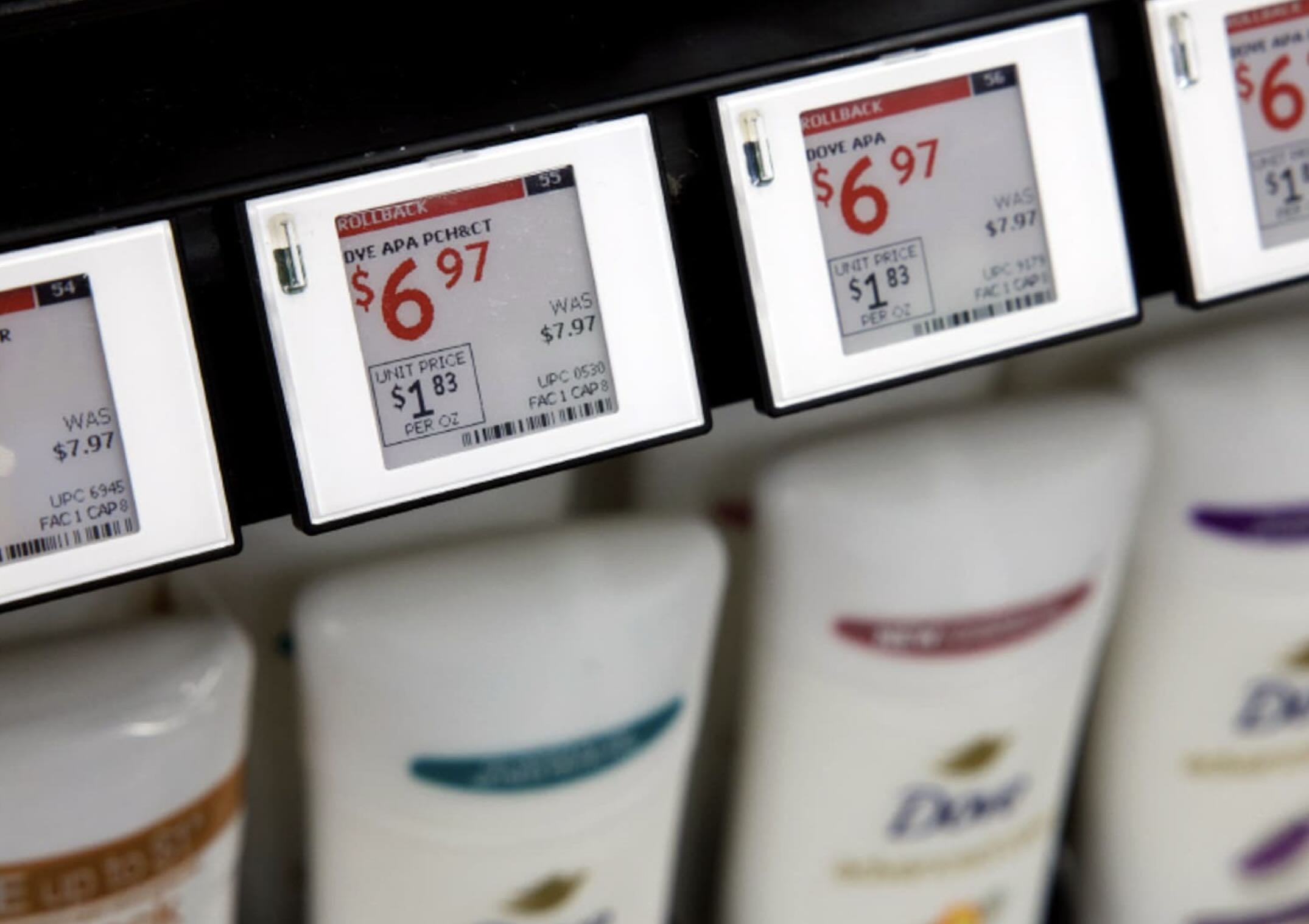
Photo: Walmart
Dynamic pricing is often framed as a simple, neutral tool of the market: supply meets demand, and the price adjusts accordingly. It sounds almost beautiful in its efficiency. But this narrative is a carefully constructed facade. Beneath the sleek dashboards and AI-generated price tags lies a predatory economic model that weaponizes personal data, exploits desperation, and erodes consumer trust in favor of staggering corporate profit margins.
To call it "surge pricing" or "time-based pricing" misses the point. The industry has moved far beyond adjusting hotel rates for the season. Today, algorithms track your mouse movements, the exact model of your phone, and even your battery life to determine exactly how much you are willing—or able—to pay at that precise moment. It's no longer about the price of the product; it's about the price you will pay.
The economics are undeniably effective. Industry data indicates that implementing AI-driven dynamic pricing can boost a company's profits by 25% or more. E-commerce giants like Amazon record over 116,000 price adjustments per tracking period, a strategy credited with boosting their revenue by roughly 25%. When a storm hits, Uber doesn't just make money on volume; they multiply their margin by charging 3x the normal rate, capturing pure profit from desperation. It is a staggering return on investment for a system that is fundamentally built on surveillance.
The Creepy Layer: How Much Data Do They Have?
The legal and ethical battle lines are being drawn around what regulators call "Surveillance Pricing." According to ongoing Federal Trade Commission (FTC) investigations, companies and the "pricing intermediaries" they hire (like Mastercard) have built profiles that can infer your credit history, medical conditions, and religious views. It is a mountain of personal data broken down into three key categories:
- Real-Time Behavioral Data: Algorithms track where your cursor hovers and how quickly you scroll. Pausing on an image flags high interest. They count how many times you refresh a page to see if a price dropped.
- Deep Profile Data: If you log in or use a loyalty card, companies build a permanent profile. They infer your age, gender, income bracket, and even if you have children, so they can charge you more for essentials like milk.
- Telemetry & Hardware Data: Your phone reveals your hyper-local proximity—whether you are at home, a wealthy neighborhood, or an airport. Some apps track your device's battery life to assess your urgency.
This is the ecosystem that allows Walmart to justify its rollout of digital shelf tags across all 4,600 U.S. stores by the end of 2026. Walmart executives claim the electronic tags are merely for operational efficiency, allowing managers to change prices in under two minutes. Critics, however, see a loaded gun. With the digital infrastructure in place, Walmart now has the capability to do exactly what airlines and Uber do—raise prices when demand spikes. The fear of "grocery surge pricing" has become so acute that U.S. Senators have already sent warning letters, threatening aggressive antitrust investigations if the tags are weaponized against consumers.
The Legal Loophole and the Consumer Trap
The core of the problem is a legal quirk. Under current federal law, a price tag is merely an "invitation to bargain." It is not a binding contract until you agree to pay at the checkout. This gives businesses legal cover to change prices based on market data. Proponents point to the "freedom of choice" defense: if a customer thinks a surge price is too high, they have the freedom to walk away.
But this defense collapses when you realize the "freedom" is an illusion. Information asymmetry gives the business all the power. The algorithm knows the inventory is low and that a competitor is out of stock. It knows you are stranded in the rain or booking a last-minute flight for a family emergency. When the price changes as you compare shops, or when you are locked into a platform because no alternative exists, you are not exercising choice; you are being financially held hostage.
The industry crosses the line from "legal" to "illegal" when pricing becomes discriminatory or collusive. This is the new legal battleground. Maryland has banned dynamic pricing in grocery stores, and New York requires strict algorithm disclosures if personal data is used to alter a price. The FTC is actively investigating whether setting individualized prices using personal data without clear disclosure violates federal consumer protection laws.
The most predatory aspect of dynamic pricing is its opacity. If a grocery chain quietly raises the price of baby formula at 5:00 PM when working moms shop, a single shopper wouldn't notice. It is only through crowdsourced data, whistleblowers, and third-party tracking firms that we can detect the pattern. This lack of transparency is the goal. The system is designed to be invisible, extracting maximum value from your wallet while gaslighting you into believing the fluctuating prices are just a natural part of the market.
No Ads. By Us. For Us.
This article was made possible by readers like you. We hope it inspired you to support Emerald Book, so we can continue producing content like this.
We will never show you ads, sell your data, or require a subscription to consume our content. Your gift helps us keep the truth accessible.
Click the Support button to give a gift of any amount today.
Thank you for making this work possible.