

Emerald Pages
◆
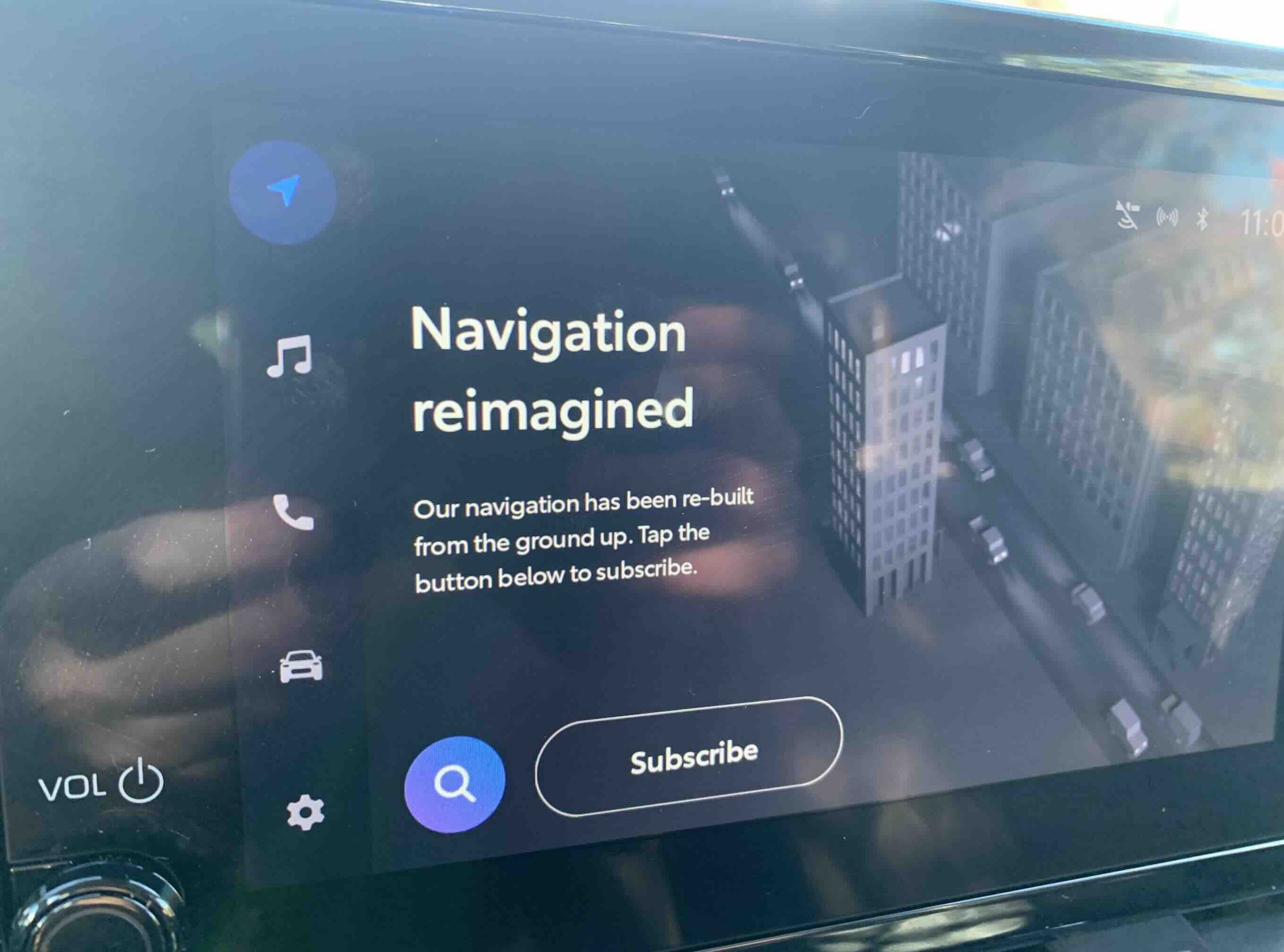
Photo: autoevolution
T he modern consumer economy has reached a breaking point. What was once a simple transaction—exchanging money for a physical good that you owned forever—has been meticulously dismantled and replaced with a labyrinth of monthly micro-fees. This is the "Subscription Apocalypse," a phenomenon where the very concept of ownership is being systematically destroyed, transforming everything from our cars and washing machines to our digital identities and physical homes into perpetual toll booths.
The statistics are staggering. The average adult now spends over $1,300 a year on recurring fees, a figure that barely scratches the surface of the true financial drain. What began as a cheap, convenient alternative to buying software or movies has morphed into "subscription creep," where everything from streaming services and printer ink to the heated seats in your car requires a monthly fee. Companies have become addicted to this model because automated, predictable billing dramatically spikes their market valuations. But for the consumer, it is a quiet, relentless drain on cash, relying on the "set it and forget it" trap to extract billions.
This is a fundamental restructuring of the economy. The shift from a "production-and-sales" model to a hyper-financialized "rent-seeking" economy is a well-documented warning sign of underlying structural failure. When companies stop investing in breakthrough innovations and instead focus entirely on extracting continuous toll fees from existing products, it signals that standard economic growth models have stalled.
The Four Horsemen of the Apocalypse
The "Subscription Apocalypse" is crushing the modern consumer under the weight of four distinct forces, each targeting a different pillar of everyday life:
- Physical Hostages: You buy heavy, physical machinery, but a microchip holds the heating elements or washing cycles hostage until your monthly payment clears. BMW famously charged $18/month to unlock pre-installed heating elements, while HP printers will refuse to use a full ink cartridge if you cancel your subscription.
- Digital Hostages: Creative tools (Adobe), entertainment (Netflix), and basic hardware drivers refuse to function offline. If you stop paying, your entire life's work or entertainment archive can disappear. Netflix costs 150% more today than in 2012 but offers 35% fewer titles.
- Housing Walls: Corporate landlords bypass rent caps by building mandatory app subscriptions and electronic payment fees directly into your lease. Tenants are now forced to pay $85–$100 per month just for the smartphone app required to unlock their front door.
- Human Gating: Tech monopolies completely eliminate human customer service, allowing algorithms to lock you out of your digital life, then charging you a monthly premium just to talk to a real person. Meta Verified costs $11.99–$14.99/month for the privilege of speaking to a human.
The automotive industry's push into feature subscriptions is one of the most anti-consumer trends in modern history. Automakers are building "software-defined vehicles" that roll off the assembly line with all the physical hardware already installed, only to intentionally lock those capabilities behind a digital paywall until you pay a monthly fee. Mercedes-Benz charges up to $1,200/year for EV acceleration upgrades. Toyota, Mazda, and GM are all racing to extract recurring revenue from features you've already paid for. The manufacturing excuse—that it's cheaper to build every car the same—obscures the reality: you are paying for the hardware, maintaining it, and then paying again to use it.
The Macroeconomic Warning Signs
Economists and market analysts share the concern that this trend is a signal of a failing economy. The rise of the subscription economy exposes three fundamental structural vulnerabilities:
- Stagnant Purchasing Power: Real wages have struggled to keep pace with the costs of major life milestones like buying a home or a new vehicle. Companies know consumers can no longer afford massive upfront cash outlays. Breaking a product into a $15/month micro-fee is a defensive survival mechanism to keep tapped-out consumers spending money they don't actually have.
- The Innovation Stalemate: True technological leaps in hardware have plateaued. When a corporation can no longer engineer a product that justifies a new purchase on its own merits, it pivots to software restrictions. Locking existing features behind a digital paywall is a clear admission that the company has run out of innovative ideas.
- Hyper-Financialization Over Production: Corporate health is judged almost entirely by Wall Street metrics like Annual Recurring Revenue (ARR), rather than the physical durability or utility of the goods produced. Capital is being directed away from manufacturing excellence and channeled into software development designed to restrict consumer access.
The appliance industry is aggressively copying this playbook. Washing machines now come with Wi-Fi antennas and microchips, not to improve performance, but to charge you a premium to use basic features. LG's ThinQ UP ecosystem locks specialized wash settings behind software updates. Samsung announced that accessing its SmartThings API for third-party integrations would move behind a $4.99 per month paywall. Even Whirlpool has faced immense user anger for testing monthly fees just to keep basic Wi-Fi connectivity functional. The sinister reality is that your laundry habits are valuable data, and manufacturers want to monetize both the data and the feature set.
The Rent-Squeeze: Housing as a Service
Perhaps the most dystopian evolution is the monetization of rent payment itself. Corporate landlords have realized that shelter is the ultimate inelastic good. Property management portals like AppFolio or RealPage are eliminating free payment methods, forcing tenants to pay up to 3% "convenience fees" on their rent. Third-party fintech apps that split rent into multiple payments lock the functionality behind recurring subscription fees, trapping lower-income tenants in a perpetual premium membership just to manage basic cash flow. In many states, rent control laws limit baseline rent increases, so landlords tack on mandatory "Technology Fees" to legally circumvent the caps. The apartment you rent is no longer just a home; it is a subscription.
Reclaiming Ownership
Every apocalypse breeds a resistance. A massive counter-movement is building to opt out of the perpetual rental loop. Consumers are turning to self-hosting, running free, open-source software like Home Assistant to replace smart appliance subscriptions or Jellyfin to host their own movie libraries without streaming fees. The "Buy It Once" economy is thriving, with communities dedicated to tracking down analog, mechanical, and modular products that contain zero software, zero Wi-Fi tracking, and infinite lifespans. Consumer protection agencies are actively drafting "Right to Repair" and "Junk Fee" laws to make it illegal to lock physical hardware behind a software paywall after purchase.
We have reached a tipping point where choosing what not to buy is our strongest consumer tool. The "Subscription Apocalypse" is not an inevitability; it is a choice being made by corporations, and it can be unmade by consumers. By adopting strict purchasing rules—prioritizing products that operate entirely on local control, rejecting cloud-dependent devices, and embracing analog alternatives—we can vote with our wallets for a future where ownership means something again.
No Ads. By Us. For Us.
This article was made possible by readers like you. We hope it inspired you to support Emerald Book, so we can continue producing content like this.
We will never show you ads, sell your data, or require a subscription to consume our content. Your gift helps us keep the truth accessible.
Click the Support button to give a gift of any amount today.
Thank you for making this work possible.