

Emerald Pages
◆
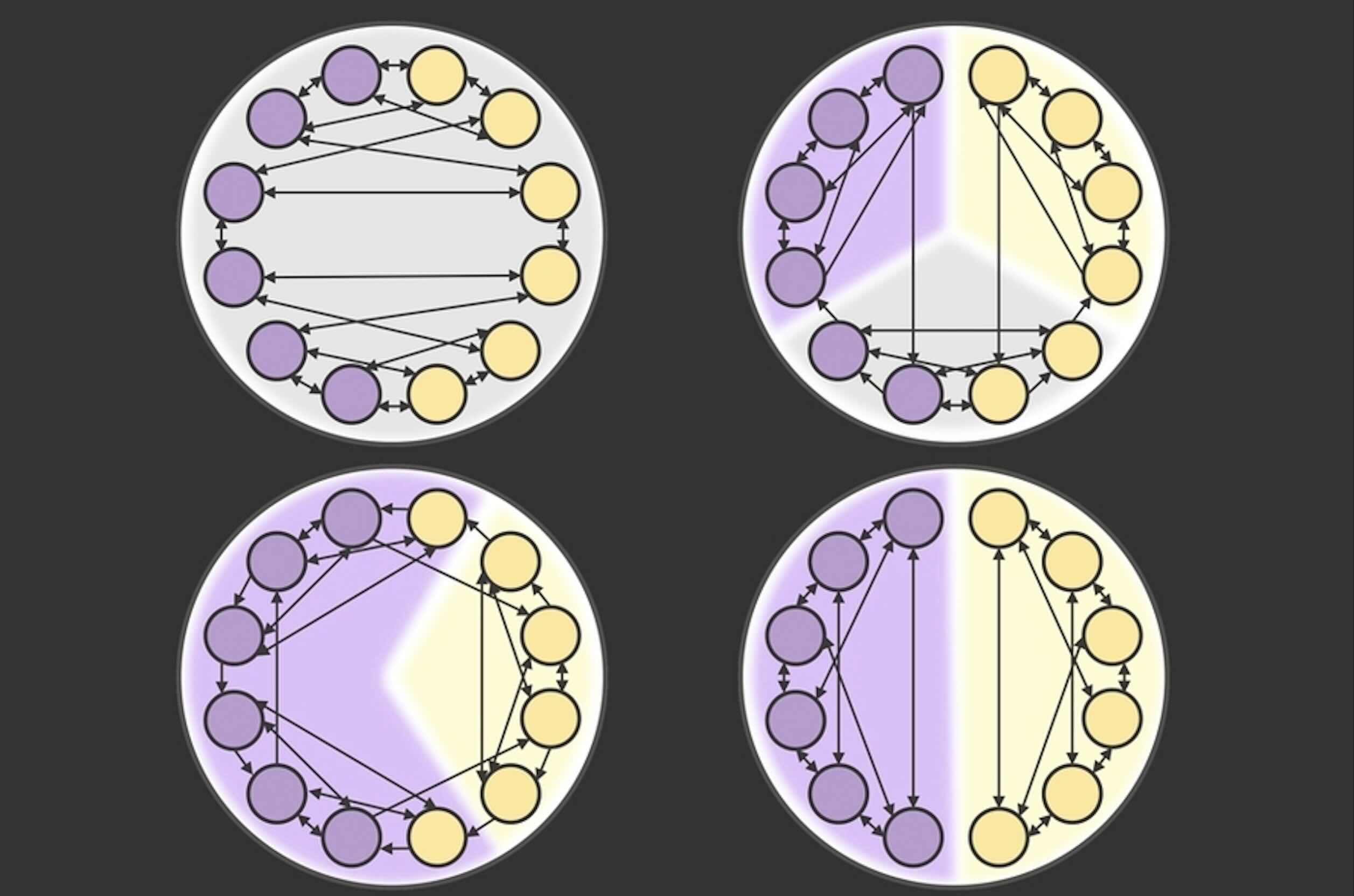
Photo: MIT News
T he political machinery of the 21st century runs on code. In the physical world, gerrymandering draws lines on maps to dilute the voting power of specific communities. Online, a parallel process is unfolding with devastating precision. Social media companies—through proprietary algorithms, selective enforcement, and the weaponization of bot networks—are systematically redrawing the boundaries of the digital public square. This is digital gerrymandering, and it is systematically diluting the Black voice online in ways that mirror the most insidious practices of the Jim Crow era.
The emergence of this phenomenon became starkly visible in early 2026. Following the forced sale of TikTok's U.S. operations to a consortium of American and global investors, the platform underwent a massive algorithmic reset. Almost immediately, Black creators reported a catastrophic collapse in their organic reach. Videos that once garnered hundreds of thousands of views were suddenly throttled down to a few thousand. Comment sections that were once vibrant hubs of cultural exchange were flooded with MAGA bots, scripted talking points, and coordinated harassment campaigns. Meanwhile, Black users discovered their For You Pages saturated with white lifestyle creators they had never followed, had no interest in, and could not seem to escape.
The Architecture of Fragmentation
The term "digital gerrymandering" is not hyperbolic. It is a direct extension of the political practice of "cracking" and "packing"—strategies used to concentrate or disperse populations to neutralize their political influence. In the social media context, these strategies operate invisibly, embedded in the recommender systems that dictate what users see and when they see it.
Algorithmic Cracking occurs when platforms systematically prevent a Black creator's content from reaching their established followers. A user can hit "follow," but the updated interest-graph algorithms simply refuse to deliver that creator's videos to their feed. The bond is legally intact on the profile page, but functionally dead on the user's screen. This creates a "ghost unfollowing" phenomenon where creators internalize the loss as a failure of their own community, when in reality, the platform has quietly severed the connection.
Algorithmic Packing is the complementary maneuver. It involves quarantining pro-Black discussion into heavily suppressed spaces, then flooding those spaces with hostile outsiders—MAGA bots, coordinated troll armies, and aggressive rhetoric. The goal is to alter the perceived consensus of the space. A real human user clicking on a pro-Black video is immediately met with a wall of noise, making community building impossible. This engineered digital blight drives creators to exhaustion, self-censorship, or outright abandonment of the platform.
Together, these two forces fragment what was once a powerful digital engine for cultural amplification and political mobilization. The collective "multiplier effect"—the ability of Black communities to rapidly share, amplify, and force an issue into the national consciousness—has been systematically dismantled.
The "Greenline" for White Creators
While Black digital spaces are redlined, a parallel track of frictionless distribution exists for content deemed "brand-safe." The viral explosion of 16-year-old British creator Ellie Ellis, who went from 6 followers to over 800,000 in just two weeks in mid-2026, perfectly illustrates this asymmetry. Her unedited, low-production "Get Ready With Me" videos were celebrated as "authentic" by the algorithm and aggressively pushed to millions of global For You Pages. Brands like Garnier and Maybelline rushed to sponsor her.
The platform's infrastructure gave Ellis a friction-free pipeline to massive growth. Meanwhile, a Black creator posting a casual talking video faces hyper-scrutiny from automated moderation filters that treat African American Vernacular English (AAVE), cultural humor, or discussions about race with extreme caution. The system rewards a centralized, corporate-friendly baseline while breaking up the organic networks of marginalized groups. This is algorithmic redlining in its purest form.
The Complicity of the Platforms
This fragmentation is not an accident or a random glitch. It is the direct consequence of deliberate, top-down engineering decisions made by tech companies. The platforms are complicit through three distinct mechanisms:
- Profiting from "False" Engagement: To Wall Street, a bot comment and a human comment look identical on a balance sheet. Cleaning up bot networks costs money and lowers overall engagement metrics. The financial incentive is to look the other way.
- Destruction of the Social Graph: Last year, feeds were primarily dictated by who you chose to follow. This year, platforms completely decoupled the feed from the follower list. By deliberately stripping away the power of the "follow" button, tech companies took control of community building out of the hands of users and handed it over to their own proprietary code.
- Prioritizing "Brand Safety" Over Human Safety: The primary goal of the 2026 algorithmic updates was to satisfy advertisers and government regulators. Systemic racism, community organizing, and Black cultural commentary were arbitrarily categorized by corporate legal teams as "high-risk" and intentionally suppressed.
By rewriting the rules of distribution, choosing to let bot networks run rampant, and replacing community connection with corporate AI prediction, social media companies didn't just allow this fragmentation to happen—they engineered the tools that caused it.
The Psychological Trap
The most devastating impact of digital gerrymandering is the invisible wall it creates. Because a creator cannot see the code blocking their videos, they look at their declining views and assume their own community stopped supporting them. This manufactured decline causes psychological exhaustion, leading many of the most vital voices online to simply log off. The system successfully turns structural, corporate discrimination into internal community heartbreak.
Black users, meanwhile, see their feeds flooded with white creators they do not follow. They experience the fragmentation firsthand, often internalizing it as a lack of solidarity or an organic shift in cultural tastes. The platform engineering deliberately forces this false narrative of decline. When creators believe "Black people just don't support Black creators," they do not organize to demand algorithmic transparency, third-party audits, or better anti-bot protections from the platforms themselves. The corporations win.
The Way Forward
The systematic dilution of the Black voice online is not inevitable. It is a structural redesign of the modern internet, and it can be fought. Digital rights organizations are pushing for algorithmic civil rights audits, legislative transparency requirements, and the development of decentralized platforms that cannot be redlined. Creators are building independent digital spaces outside of major social media, using newsletters, private servers, and encrypted communities to bypass the algorithmic suppression entirely.
The fight against digital gerrymandering is a fight for the very integrity of the public square. When code determines who gets heard and who gets silenced, the manipulation of that code becomes a civil rights issue. The digital map is being redrawn every day. The question is whether we will allow it to be redrawn without us.
No Ads. By Us. For Us.
This article was made possible by readers like you. We hope it inspired you to support Emerald Book, so we can continue producing content like this.
We will never show you ads, sell your data, or require a subscription to consume our content. Your gift helps us keep the truth accessible.
Click the Support button to give a gift of any amount today.
Thank you for making this work possible.