

Emerald Pages
◆
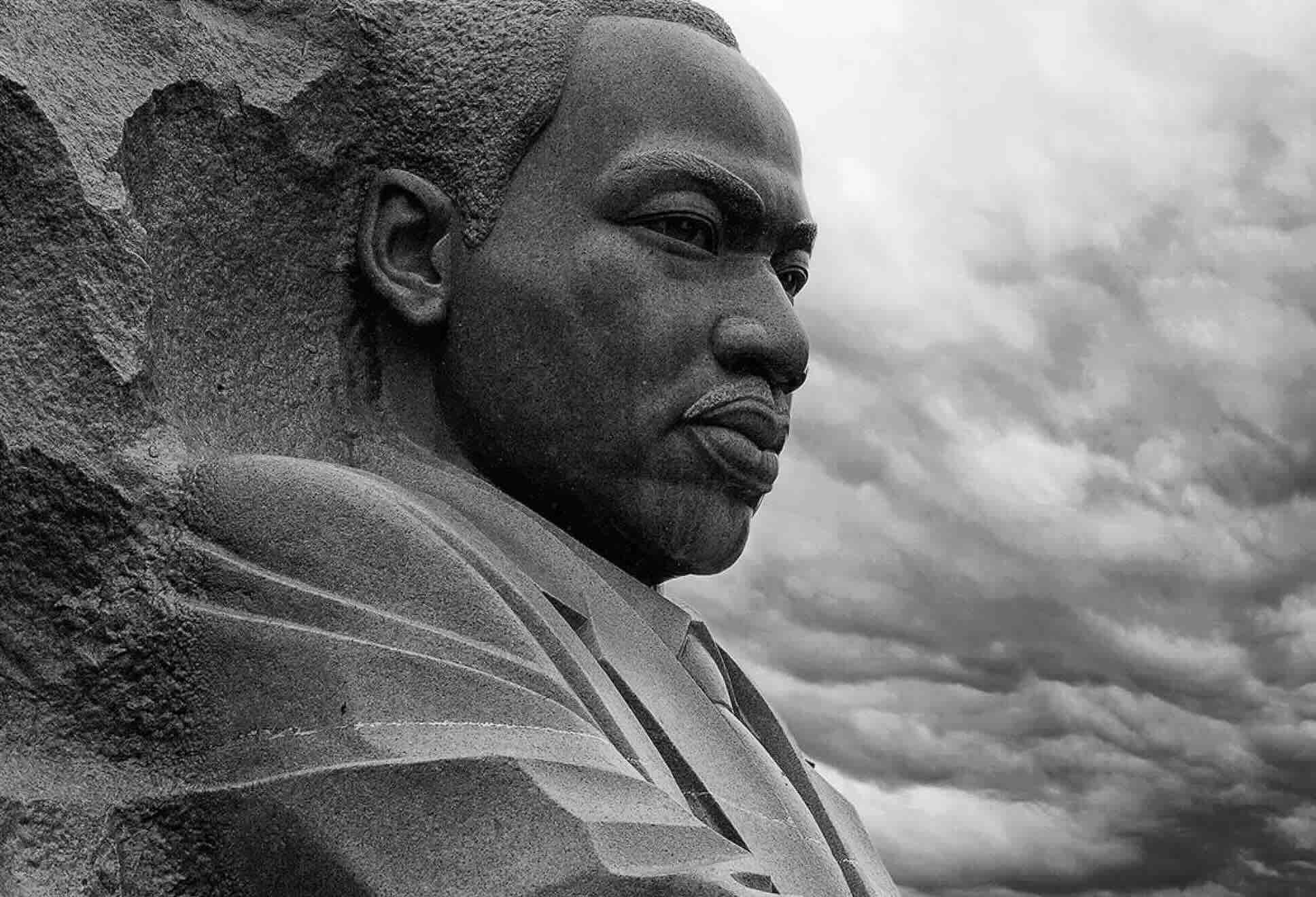
Photo: National Today
For generations, the march toward equality in the United States has been framed as a political struggle. From the Voting Rights Act of 1965 to the election of the first Black president, the narrative has been one of steady political progress. However, a persistent and troubling gap remains: while Black Americans have transitioned from fighting for basic voting rights to holding some of the highest offices in the government, the nation's racial wealth gap has remained largely unchanged for decades. This disconnect reveals a fundamental truth: political freedom is not the same as economic freedom, and achieving the latter requires a strategic shift in priority.
The distinction is critical. Political freedom is the right to participate in the civic process—to vote, to run for office, and to petition the government. It is a mechanism. Economic freedom, on the other hand, is the power that comes from owning assets, controlling capital, and building generational wealth. The Civil Rights movement successfully dismantled legal barriers to the ballot box, but it did not dismantle the deeply entrenched, compounding mechanisms of wealth accumulation that had been built over centuries. Political freedom allows a group to vote for changes, but it does not automatically reset centuries of unequal asset distribution.
The data paints a stark picture. According to the Survey of Consumer Finances, the median wealth for Black households in the United States is $44,100, compared to $282,310 for white households. The homeownership rate, a primary driver of middle-class wealth, sits at 44% for Black families and 73% for white families. These disparities persist despite significant political gains, including the founding of the Congressional Black Caucus and the appointments of Thurgood Marshall and Ketanji Brown Jackson to the Supreme Court. The simple act of representation, it seems, does not automatically translate into material equity.
Why Political Power Hasn't Closed the Wealth Gap
The failure of political freedom to translate into economic equality is not an accident; it is a feature of how wealth and power operate in America. There are several structural reasons why this is the case, starting with the intergenerational transmission of wealth. Wealth is primarily passed down through inheritances, down-payment assistance, and debt-free education. Because centuries of slavery, sharecropping, and Jim Crow legally blocked Black Americans from building assets, white families began the modern era with a massive financial head start.
This is compounded by the fragility of the Black middle class. Research shows that nearly half (45%) of Black children born to middle-class parents fall into the lowest income bracket as adults, compared to just 16% of white children. This economic volatility means that a single medical emergency or job loss can wipe out a generation's savings, a vulnerability that is far less common in communities with deeper financial reserves. The economic floor, or lack thereof, makes it incredibly difficult to build lasting wealth.
- Median Family Wealth: Black households hold $44,100 vs. $282,310 for white households.
- Homeownership Rate: 44% for Black families vs. 73% for white families.
- Wealth Concentration: White households own roughly 84% of total U.S. wealth, while Black households hold just 3.4%, despite making up over 13% of the population.
Furthermore, the political system itself is designed to protect private property. The U.S. Constitution's "Takings Clause" makes the direct seizure or forced redistribution of wealth legally and politically impossible. Lawmakers, even those with the best intentions, operate within a framework where private capital holds immense sway. Wealthy individuals and corporations shape public policy through political campaign donations, lobbying efforts, and by funding think tanks that write legislation prioritizing asset protection.
The Case for Economic Sovereignty
This reality has led to a strategic pivot within modern civil rights advocacy. Recognizing that political inclusion without an economic foundation is incomplete, many leaders are now prioritizing economic sovereignty. This philosophy, rooted in the ideas of thinkers like Marcus Garvey and Malcolm X, argues that true autonomy is not granted by lawmakers; it is anchored in what a community collectively owns. The goal shifts from integration to self-sufficiency.
Economic sovereignty means a community does not rely on the dominant group's institutions, corporations, or political goodwill for its survival. It involves several key pillars: asset anchoring (owning the land and commercial real estate in a community), capital retention (ensuring money circulates within the community's own ecosystem of banks and businesses), and collective capital pools (using community land trusts and cooperatives to pool resources). This is the practical application of building an economic engine, a parallel system that can generate and retain wealth independently.
This is why the legal rights to property and equal protection are treated not as the final victory, but as the bare minimum shield required to build that independence safely. The legal shield prevents asset seizure and enforces contracts, creating a stable environment for economic growth. But the true goal is the engine itself.
A New Path Forward
The modern movement is putting this philosophy into practice. Advocacy groups are moving beyond standard job placement programs to create dedicated venture capital funds for Black tech founders. They are actively tackling the appraisal gap in housing to protect billions of dollars in home equity. Digital tools are being engineered to make it seamless for individuals to route their capital through Black-owned financial institutions. The question is no longer just "How do we get more representation?" but "How do we buy and control the land and capital in our zip codes?"
This is not to say that political activism is obsolete. Maintaining strong political pressure is vital to defend the laws that guarantee equal credit access and prohibit discrimination. However, the consensus is growing that political victories are easily eroded without a parallel economic foundation. The focus of modern civil rights has drastically shifted from the 1960s' focus on the ballot box to a modern push for economic infrastructure. It is about recognizing that political freedom without an economic foundation is incomplete. The goal, now, is to build the engine.
No Ads. By Us. For Us.
This article was made possible by readers like you. We hope it inspired you to support Emerald Book, so we can continue producing content like this.
We will never show you ads, sell your data, or require a subscription to consume our content. Your gift helps us keep the truth accessible.
Click the Support button to give a gift of any amount today.
Thank you for making this work possible.