

Emerald Pages
◆
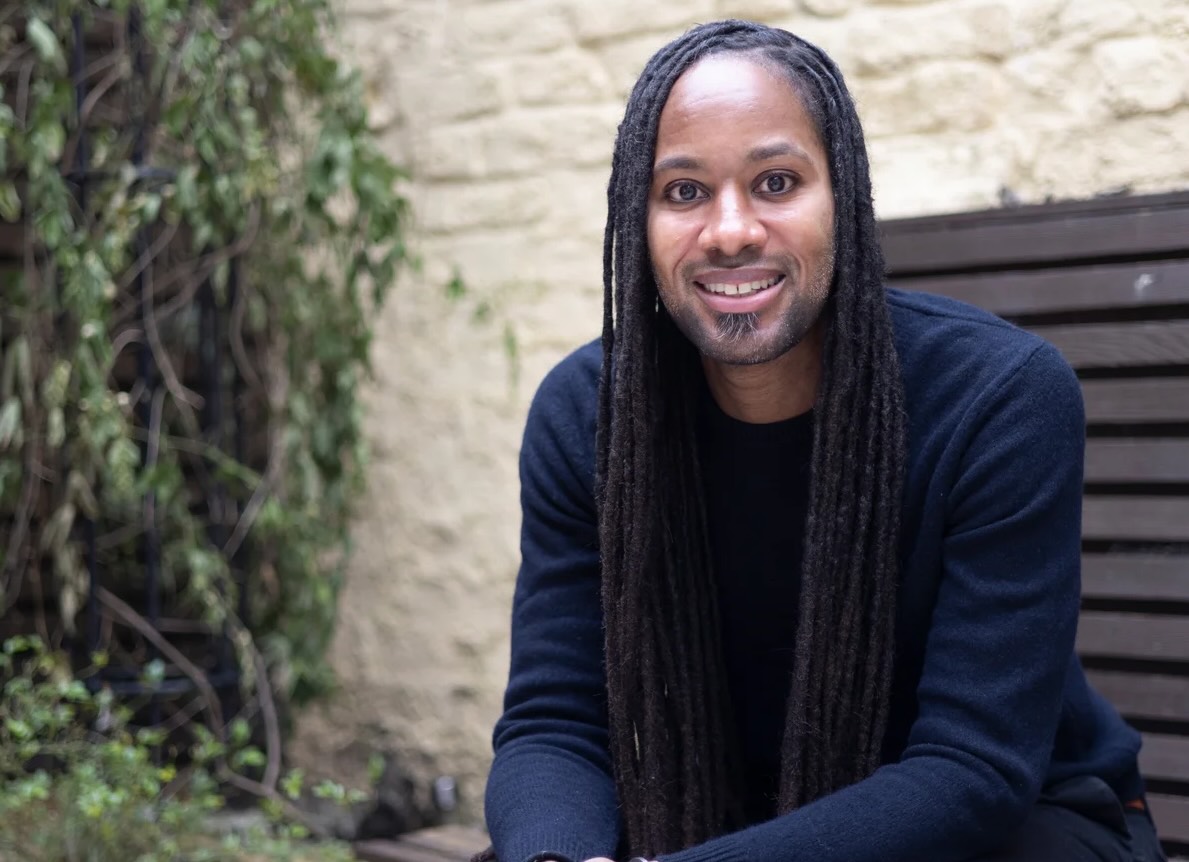
Photo: Graeme Robertson | The Guardian
The death of Jason Arday on Friday, August 14, 2026, is a personal tragedy and a sad indictment of the global academic institution that failed him. Found unresponsive at his home in Battersea, South London, the 41-year-old former Cambridge professor was the victim of a system that celebrated him for its own optics, only to abandon him when its own failures came to light. The University of Cambridge, an 800-year-old pillar of global education, proved that its power extends to protecting its own brand, even if it means crushing a single human being in the process.
The circumstances surrounding Arday’s death are as clear as they are devastating. Just over a week prior, on August 5, he resigned from his historic post as the youngest Black professor ever appointed at Cambridge. His resignation was not an admission of guilt, but a desperate act of self-preservation. He spoke of "relentless accusations, speculation and public commentary" that had taken an "extreme toll on his personal well-being." In the days that followed, a coordinated media frenzy, fueled by a whistleblower's report, dismantled his life's work in the public eye.
Reports highlighted systemic failures: 188 instances of potential plagiarism in his PhD thesis, fabricated interview metrics, and false claims regarding visiting professorships. However, a critical question remains unanswered: Why were these issues not discovered during the hiring process? The answer exposes the hypocrisy of the institution. Cambridge, along with his previous employers at Glasgow and Durham, failed to conduct basic due diligence. They rushed to appoint a historic figure, celebrating his journey of overcoming global development delays and autism, without properly vetting the foundation of his career.
A Campaign of Scapegoating
The narrative quickly shifted from internal academic compliance to a personalized takedown. As the pressure mounted, the institution withdrew its support, leaving Arday isolated to absorb the full impact of a global storm. His family’s statement painted a stark picture: "Jason was subjected to a campaign of sustained abuse for the more than three years since he accepted the role... The campaign of misinformation was too much for Jason."
Instead of protecting its own, Cambridge framed the issue as an individual "bad actor" rather than an organizational failure. Senior academics and politicians who defended Arday characterized the media scrutiny as a racially motivated "smear campaign" against a prominent Black academic. Yet, the university remained silent, allowing a man who had been its symbol of progress to be destroyed by the very culture it helped create.
Jason Arday was forced to bear the brunt of the blame for structural issues that elite universities created and ignored for years. His death is a monumental failure of a global institution. He was a gentle man, a dedicated father and partner, who was pushed beyond his limits by a system that refused to accept its own culpability. The world watched as a celebration of resilience turned into a tragedy of scapegoating. The question is not whether he was a victim, but whether academia will ever change its ways, or if it will simply wait for the next person to fall.
No Ads. By Us. For Us.
This article was made possible by readers like you. We hope it inspired you to support Emerald Book, so we can continue producing content like this.
We will never show you ads, sell your data, or require a subscription to consume our content. Your gift helps us keep the truth accessible.
Click the Support button to give a gift of any amount today.
Thank you for making this work possible.