

Emerald Pages
◆
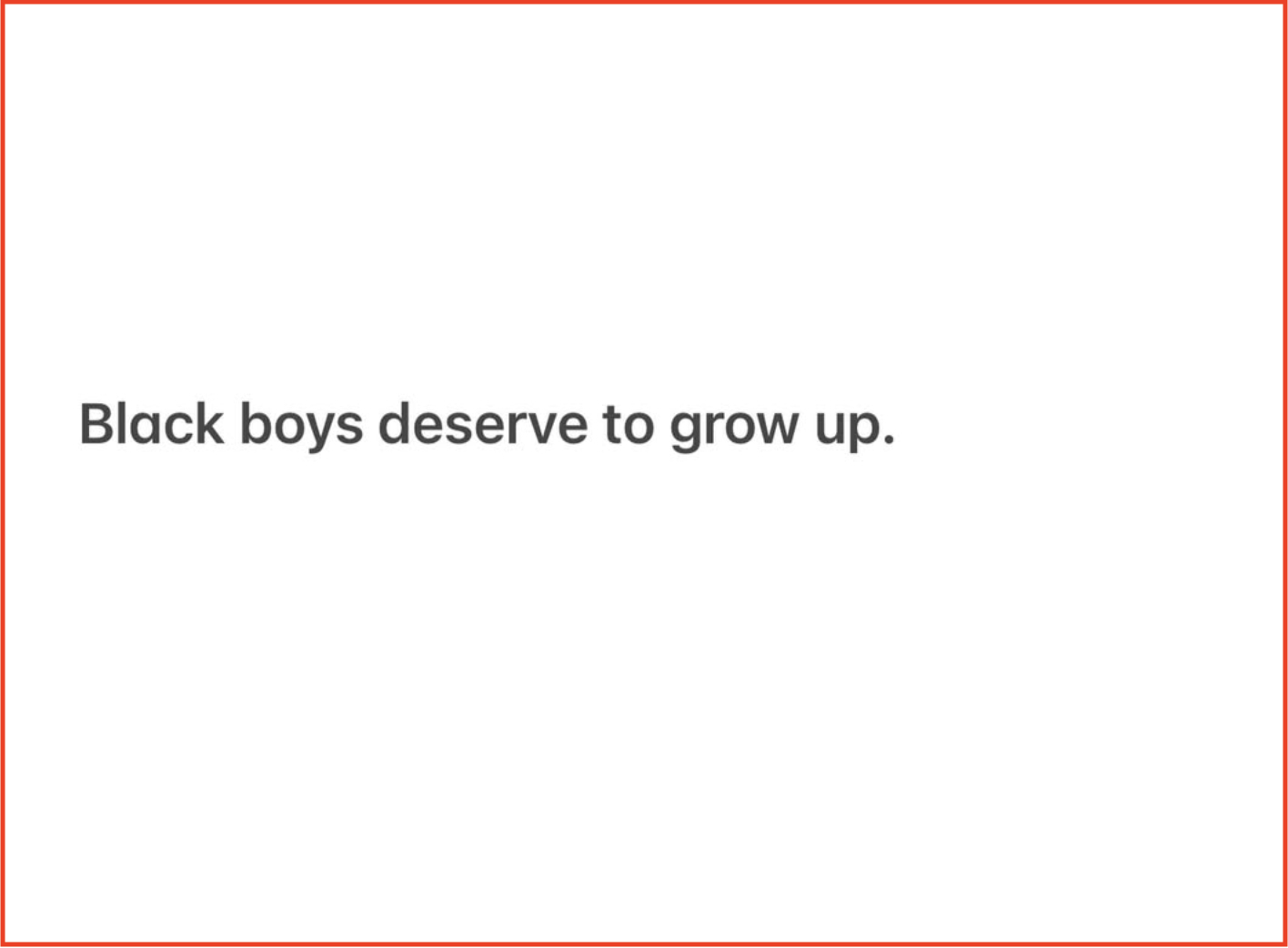
Photo: Ms. Rachel's viral post | @msrachelforlittles
In July 2026, Rachel Accurso—known to millions of children and parents as Ms. Rachel—posted six words on her social media accounts: "Black boys deserve to grow up." The statement, made in the context of advocating for justice in the death of 18-year-old Nolan Wells, a Black teen found dead off the Gulf Coast of Mississippi, should have been unremarkable. It was a simple expression of a fundamental human truth. Instead, it became a flashpoint in America's ongoing culture wars, exposing the raw nerve of race that continues to divide the nation.
The backlash was immediate and predictable. Critics flooded her comment sections, urging her to "stay in her lane" and stick to singing children's songs. Many announced they were unfollowing her accounts, threatening to boycott her content. The message was clear: a children's entertainer, in their view, had no business commenting on issues of racial justice or criminal investigations.
Ms. Rachel's response was defiant and unwavering. She refused to apologize or retreat, stating that she has "always been political" because advocating for children's human rights should not be seen as controversial. Her stance drew widespread support from millions of parents, educators, and high-profile advocates—including library advocate Mychal Threets—who praised her for using her platform to protect and value Black children.
The Paradox of a Simple Statement
The controversy surrounding Ms. Rachel's post underscores a disturbing reality: in America, even the most basic affirmation of Black humanity can become a political battleground. The statement "Black boys deserve to grow up" is not a policy proposal or a partisan attack. It is a declaration of inherent worth. Yet, for a significant portion of the population, it was interpreted as a radical political stance.
This reaction stems from several deeply embedded factors in American society. First, the phrase "Black lives matter" and related language about racial justice have become politically polarized over the past decade, with many on the right viewing them as synonymous with specific political movements rather than as basic humanitarian appeals. Second, America's history of systemic racism—from slavery to segregation to ongoing disparities in the justice system—has left unresolved wounds that make any discussion of race highly charged.
- Denial of Systemic Bias: Many white Americans believe the justice system treats everyone equally, viewing any suggestion of racial disparities as an invention or an attack on American institutions.
- The "All Lives" Counter-Argument: Some white people react negatively to statements that specify a single race, arguing that such language implies other groups matter less, while missing the point that the statement highlights a specific vulnerability.
- Political Polarization: For millions of white people, political identity is tied to opposing social justice language, leading to automatic rejection of any phrase championed by the other side.
- The "Stay in Your Lane" Expectation: A vocal segment of the public believes public figures should remain strictly neutral and apolitical, viewing any commentary on tragedy or systemic bias as an unwelcome overreach.
As Ms. Rachel herself noted, her focus remains entirely on the well-being of children. By refusing to back down, she drew a clear line between public relations management and genuine advocacy. The fact that hundreds of thousands of people rushed to defend her—and that any follower losses were largely offset by new supporters—suggests that the backlash, while loud, does not represent a majority view.
A Mirror on American Racism
The entire episode serves as a stark reminder that even the most basic, undeniable concept—that a child has a right to grow up safely—cannot escape the gravity of America's racial divide. For parents of color, this controversy reinforces a painful truth: the systemic biases their children face are not only real, but a large portion of society will actively push back against anyone who tries to publicly acknowledge or address those disparities.
The fact that a phrase as universally moral as "Black boys deserve to grow up" can spark outrage and unfollows in the United States reveals the deep ideological split on how Americans view race, equality, and the reality of systemic injustice. It is a testament to how deeply entrenched racism remains, and how far the country still has to go before basic human truths are accepted without controversy.
Ms. Rachel's refusal to be silenced forced a massive audience to confront these dynamics. She made it clear that ignoring these realities for the sake of public comfort is a luxury that vulnerable children simply do not have. And in doing so, she demonstrated that the fight for justice often begins with the courage to speak an uncomfortable truth: that Black boys deserve to grow up, and that statement should never be controversial.
No Ads. By Us. For Us.
This article was made possible by readers like you. We hope it inspired you to support Emerald Book, so we can continue producing content like this.
We will never show you ads, sell your data, or require a subscription to consume our content. Your gift helps us keep the truth accessible.
Click the Support button to give a gift of any amount today.
Thank you for making this work possible.