

Emerald Pages
◆
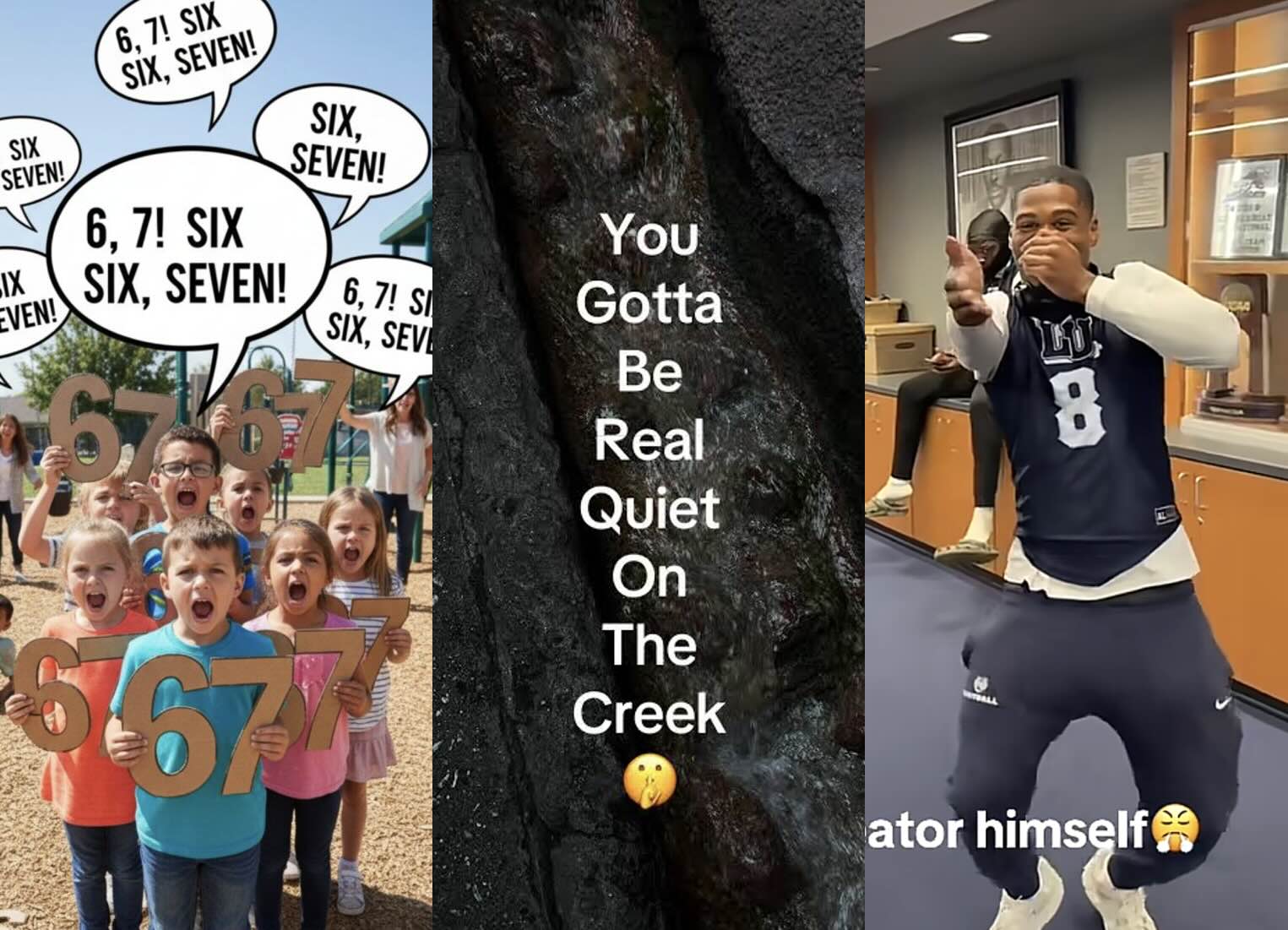
Photo: Emerald Book Image
There is a fundamental paradox at the heart of the modern internet. The platforms we use daily—TikTok, Instagram, YouTube—are owned by massive tech corporations that spend billions engineering algorithms to maximize profit, safety, and advertiser appeal. These systems are built to favor the sterile, the predictable, and the "brand-safe." And yet, if you look at the actual cultural output that defines the internet, it is overwhelmingly driven by one group: Black creators.
While platforms actively suppress Black voices through shadowbanning, biased moderation, and unfair monetization, the cultural gravity of Black creativity is so powerful that it forces the algorithm to adapt. Black creators don't control the code, but they absolutely control the rhythm of the internet. The system tries to filter them out, but the public's insatiable desire to copy, emulate, and engage with Black culture forces the algorithm's hand every single time.
The Anatomy of White Virality: Institutional, Not Organic
White content creators absolutely go viral, but the nature, framing, and commercial reception of their virality often look very different from that of Black creators. While Black virality heavily drives the internet's cultural foundation—linguistic styles, dance trends, and comedic audio formats—white virality is frequently built around aspirational lifestyle, hyper-organization, subcultural aesthetics, and "brand-safe" relatability.
Sociological and media analyses demonstrate that viral content popularized by white creators often falls into distinct, highly monetizable categories. These include curated lifestyle and minimalist aesthetics like the "Clean Girl" and "Vanilla Girl" looks, "Stay-at-Home-Girlfriend" routines, and "Quiet Luxury" fashion content. There is also the world of hyper-organization and over-consumption—restocking videos, Stanley Cup crazes, and massive Sephora hauls. Then there are the "cozy" niche subcultures like Cottagecore, Coastal Grandma, and BookTok—all of which present an idealized, escapist vision of life that algorithms and advertisers adore.
Perhaps most telling is the documented phenomenon of "Columbusing"—where white creators take trends pioneered by Black creators, adjust them slightly, and reap massive algorithmic rewards. The "Clean Girl" controversy is a prime example: the dewy skin, lip gloss, and gold hoop earrings central to the trend were styles Black women wore for decades. Yet the trend only achieved viral, brand-sponsored status when packaged by white creators. Similarly, dance and audio trends originating in Black communities have historically been replicated by white creators who achieve significantly higher view counts and national television appearances than the original innovators.
The Core Asymmetry: Why the Flow Is One-Way
The key distinction here is between a niche channel aesthetic and macro-cultural virality that changes how the world speaks, dances, and interacts. When Black culture goes viral, it often becomes the baseline infrastructure of the entire internet. It shifts global pop culture, and everyone—including white people—adopts it. From AAVE slang terms that become normalized internet vernacular to foundational dance choreographies, Black cultural output becomes the water we all swim in.
White virality rarely operates as a macro-cultural blueprint in that same way. Instead, when white content achieves massive, cross-cultural, universal adoption, it usually happens through distinct mechanisms. The first is corporate and institutional scaling: because white creators are the default demographic targeted by major corporations, their viral moments are frequently backed by massive institutional marketing budgets that force the trend into the cultural mainstream through raw distribution power rather than organic cultural adoption. The Stanley Cup phenomenon and the Swiftie ecosystem are prime examples of this.
The second mechanism is what we might call "universalized suburbia and memeification." Sometimes, aspects of white, suburban, or "basic" culture go viral across all demographics because they are universally parodied, reframed, or adopted as shared cultural jokes. "Karen" tropes and the "Pumpkin Spice / Fall" aesthetic have become global shorthand and commercial seasons that businesses everywhere adapt to—but this is adoption through mockery and commercialization, not sincere cultural emulation.
The reverse is categorically untrue. There is no white viral trend that Black people have adopted organically, yet there are countless examples of white people adopting Black culture. When a trend originates in Black culture, it is highly likely to be adopted by everyone because Black culture historically acts as the baseline innovator for global pop culture. The reverse almost never happens because white culture in America has historically positioned itself as the "universal standard" or "default," rather than a distinct ethnic subculture with its own trendsetting gravity.
The Exception: Ironic Subversion and Parody
There is a very specific type of exception on social media. Black creators and users do adopt white viral trends—but almost always through the lens of parody, subversion, or ironic participation. When Black people engage with a white viral trend, they usually do so to transform it, poke fun at it, or highlight the cultural divide.
This takes several forms. The first is the ironic subversion of white tropes: when hyper-calm, therapeutic "Gentle Parenting" content went viral, Black parents began adopting the trend ironically, contrasting the soft, corporate-style therapeutic language with traditional, no-nonsense Black parenting boundaries for comedic effect. Similarly, trends mimicking ultra-polite corporate "HR speak" are frequently adopted by Black creators to translate everyday frustrations into hilarious, hyper-formal office memos.
The second form is the "colonizer" or reversal parody: when white creators go viral for moving to historically minority neighborhoods or traveling to volatile areas with casual optimism, Black creators adopt the exact video pacing, upbeat background music, and enthusiastic voiceovers to parody how detached those trends are from reality.
The third form is the rare musical cross-over: on rare occasions, Black users adopt musical or aesthetic trends historically categorized as "white," but they do so by reclaiming hidden Black roots within those genres or completely mutating the style. The modern "Alt" aesthetic on TikTok is a perfect example—while the 2000s emo and pop-punk aesthetic was heavily popularized by white suburban youth, modern Black creators have fused it with hip-hop, anime culture, and distinct streetwear, completely shifting the vibe of the subculture.
How Black Creators Shape the Algorithm Without Writing the Code
While Black creators do not write the code or own the servers, their behavior quite literally shapes the algorithm's output because algorithms are reactionary mirrors of human attention. Algorithms are math equations designed to do one thing: find what grabs human attention and feed people more of it. Because Black culture possesses that unmatched, organic "gravitational pull," it forces the algorithm to adapt.
Here is exactly how Black creators and users rewrite the digital landscape without ever touching the code. First, they train the recommendation models: AI and machine learning algorithms learn by watching what users interact with. When Black creators invent a new dance, phrase, or comedic format, the sheer volume of organic engagement—likes, shares, watch time, and repeats—forces the algorithm to recognize that content as high-value. The algorithm didn't plan to promote that style; it was trained to do so by the organic behavior of the community.
Second, they force "The Crossover." Algorithms try to place users into neat demographic boxes or "bubbles." However, Black cultural trends are often so universally compelling that they break through these digital walls. When non-Black users start pausing, looping, and interacting with Black content, the algorithm realizes that this isn't just for one group—everyone wants this—and it begins pushing the trend to the entire global user base.
Third, they set the baseline trends. Platforms like TikTok, Instagram, and YouTube Shorts are entirely dependent on "audio trends" and "templates." Black creators are overwhelmingly the ones who create the viral audios, remixes, and structural formats that the rest of the internet uses. Once a Black creator establishes a viral blueprint, the algorithm begins actively favoring anyone who uses that blueprint. The algorithm is essentially playing catch-up to the trends Black creators set.
Suppression That Keeps Failing
Tech corporations build rigid, corporate, sterile platforms, but they cannot manufacture human interest. Without the organic genius, rhythm, and humor of Black culture, these platforms would be empty, boring feeds of advertisements and sterile lifestyle vlogs. Black creators don't own the digital house, but they completely dictate how everyone inside dances, speaks, and moves.
Yet this success comes despite clear, documented systemic penalties. This is not a "disadvantage"—an accidental flaw or passive hurdle. In reality, the mechanisms built into these platforms—automated filters that misinterpret African American Vernacular English (AAVE), shadowbanning tools that suppress racial discourse, and monetization rules favoring sterile, corporate aesthetics—act as a form of systemic suppression.
Black creators face clear, documented systemic penalties. Automated moderation tools flag AAVE as "aggressive" or "offensive." Educational content about race is often muted or hidden. And crucially, when a trend inevitably breaks through these artificial barriers, the algorithm actively strips the credit away, pushing it to white, "brand-safe" influencers who can replicate it without facing the same penalties.
- Shadowbanning: A documented practice where platforms quietly reduce the reach of Black creators, limiting their visibility without explicit explanation.
- Monetization Disparity: Black creators consistently receive lower ad payouts and fewer brand deals than their white counterparts, even when they generate more engagement.
- The "Columbusing" Effect: Trends pioneered by Black creators are repackaged by white influencers, who then reap the algorithmic and commercial rewards.
- AI Moderation Bias: AI moderation tools are programmed to favor sterile, corporate, "brand-safe" content, forcing Black creators to become incredibly innovative—using coded language, altered spellings, and creative visual editing—just to survive these filters.
The Tug-of-War: Corporate Control vs. Organic Gravity
The relationship between tech platforms and Black creators is best understood as a constant tug-of-war between corporate control and organic human desire. Tech companies try to sanitize and control the culture to please advertisers, but they are forced to let Black virality break through because it is the only thing keeping their platforms alive. Without the organic genius, rhythm, and humor of Black culture, these apps would be empty, boring feeds of advertisements and sterile lifestyle vlogs.
This suppression constantly hits a wall because of two powerful factors. First, the human element defies the math: Tech companies can program an algorithm to hide a video, but they cannot program human psychology. When a Black creator makes something genuinely innovative, hilarious, or culturally magnetic, the human urge to share, copy, and emulate it is too strong for the algorithm to contain. People will actively search for the content, repost it on other platforms, and force it into the mainstream. The organic demand simply overpowers the algorithmic supply blocks.
Second, the platforms need the culture to survive. If their suppression tactics worked perfectly, their apps would become incredibly boring—just a stale, repetitive loop of corporate ads and sterile lifestyle vlogs. Users would leave the platform. Therefore, tech companies are trapped in a cycle: they try to sanitize and suppress the culture to please corporate advertisers, but they are forced to let Black virality break through because it is the only thing keeping their platforms alive and relevant.
This is why the current state of affairs is not a simple "disadvantage." It is a system of structural suppression that repeatedly fails because it cannot control human nature. You can program an algorithm to hide a video, but you cannot program human psychology. When something is truly magnetic, the human urge to share, copy, and emulate it is too strong for any filter to contain. Black creators don't own the digital house, but they completely dictate how everyone inside dances, speaks, and moves. That is a power that no amount of code can erase.
No Ads. By Us. For Us.
This article was made possible by readers like you. We hope it inspired you to support Emerald Book, so we can continue producing content like this.
We will never show you ads, sell your data, or require a subscription to consume our content. Your gift helps us keep the truth accessible.
Click the Support button to give a gift of any amount today.
Thank you for making this work possible.