

Emerald Pages
◆
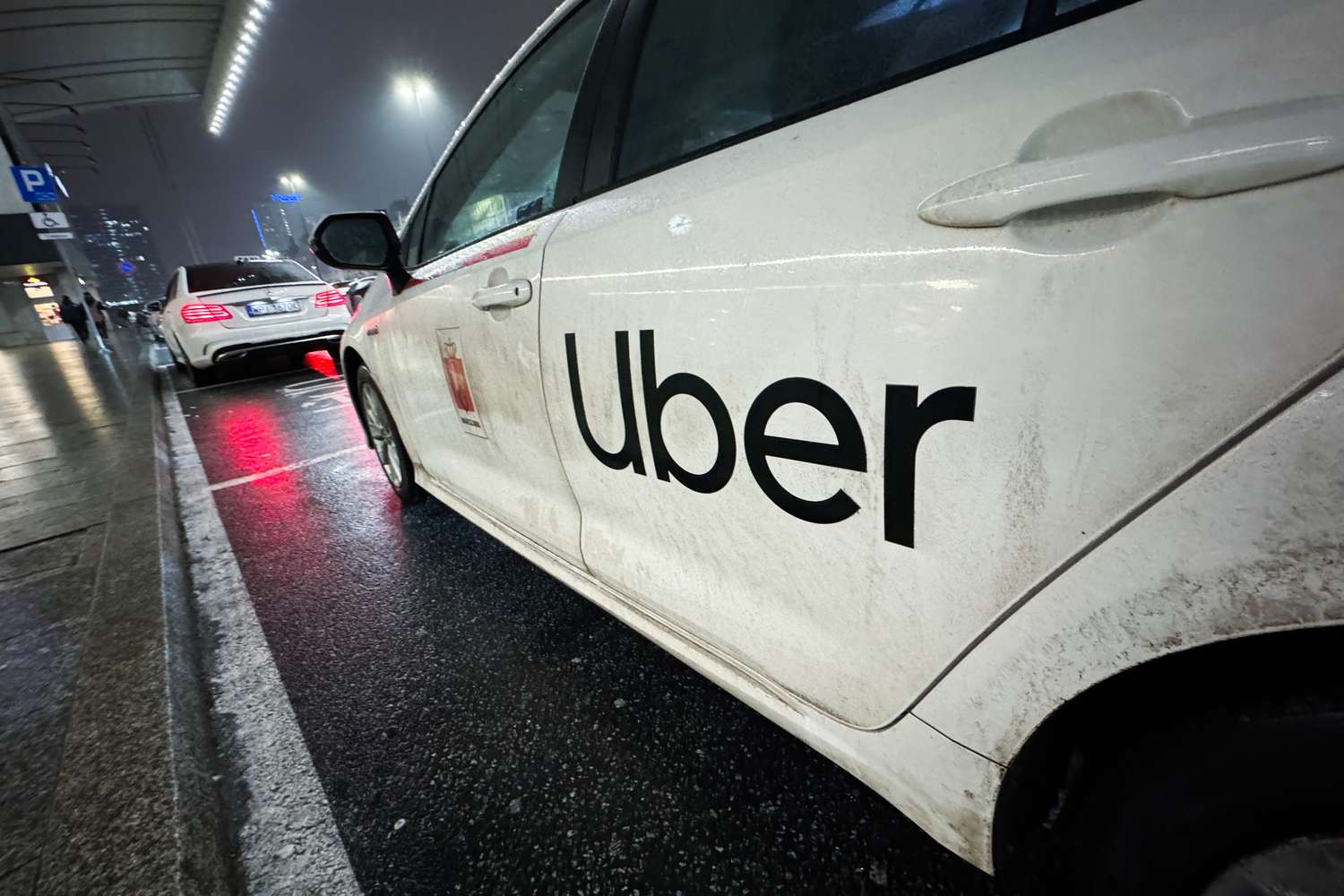
Photo: NurPhoto | Getty Images
It started as a promise of disruption. Uber and Lyft, backed by billions in venture capital, were going to drag the antiquated taxi industry into the 21st century. Rides would be cheaper, more convenient, and more reliable. For a glorious, subsidized decade, they were. But like all great Silicon Valley bait-and-switches, the cheap rides were simply the hook. Now that the venture capital has dried up and the companies must answer to Wall Street, the truth has emerged: the traditional taxi cab is often significantly cheaper, and the ride-share industry has built its empire on a foundation of psychological trickery and regulatory loopholes.
The core of this deception is hidden in plain sight. When you open your ride-share app during a light drizzle at 5:00 PM, the price you see is not based on the fixed cost of moving a car from point A to point B. It's based on an algorithm that knows you are desperate to get home. Consumer Reports investigations confirm that ride-share companies are actively testing consumer limits with dynamic pricing, frequently charging passengers 20% to 60% more than a traditional taxi meter would legally allow during peak hours.
The Numbers Don't Lie: Taxis vs. Ride-Shares
In Washington, D.C., the pricing differences during peak hours are stark. A metered taxi charges a $4.00 base fare plus $2.56 per mile. During rush hour, a typical 15-minute ride that would cost $28 to $35 in a taxi can surge to $45 to $70 on Uber or Lyft. Airport transfers from Reagan National (DCA) tell an even more dramatic story: ride-share apps frequently spike to $70, while taxi stands offer flat-zone rates of $23 to $31. For short trips under two miles, street-hailed metered taxis run $8 to $12, while ride-share minimums now start at $15 to $18 before mileage is added.
The pattern holds across major U.S. cities. New York City taxis use fixed metered rates of $3.00 base plus $0.70 per 1/5 mile with rush-hour surcharges, while ride-shares can trigger 1.5x to 3x multipliers during rain. Chicago's regulated meters charge $3.25 flag pull, $2.25 per mile, and $0.20 per 36 seconds—in the Loop during rush hour, metered cabs beat surged ride-shares by $15 to $30. Las Vegas offers flat-rate airport tiers of $23 to $31 to Strip zones, preventing the 40% to 80% surge spikes common on apps after large flights land. Boston's regulated fleet rates of $2.60 base and $2.80 per mile keep costs predictable while tunnel and traffic surges multiply app baselines.
The cross-over trigger is consistent: peak demand, bad weather, or airport volume. During off-peak hours, ride-shares can be 10% to 25% cheaper. But when you actually need a ride, taxis win by 30% to 50% or more.
How Venture Capital Built a Monopoly
To understand the present, we must look at the past. For years, ride-share companies bled cash, offering rides at a loss to build a massive user base. This wasn't charity; it was a strategy to bankrupt the regulated taxi industry. Traditional cab companies, unable to compete with venture-capital-subsidized prices, went bankrupt. Medallion values collapsed from $1 million or more in 2013 to under $100,000 in major cities today.
- The Subsidy Shift: In the early days, a $20 ride might have cost you $10, with investors covering the rest. Today, that same ride can cost you $40 during a surge.
- The Driver Squeeze: Platforms use "decoupled pricing"—what you pay has no relation to what the driver is paid. Corporate take-rates have climbed from 20% to 40%–60% of the total fare.
- Insurance Costs: Commercial liability insurance accounts for roughly 21% of every ride's total cost. Uber's insurance reserves grew from $6.7 billion to $12.5 billion in just two years.
- The Contractor Loophole: Classifying drivers as independent contractors allows platforms to bypass providing health insurance, paid sick leave, worker's compensation, and unemployment safety nets.
Now that the landscape is a digital duopoly, the monetization switch has been flipped. Both Uber and Lyft are finally profitable, with Uber reporting $10.05 billion in net income for 2025 and Lyft turning a profit for the first time at $2.84 billion. The "disruption" was simply a way to create a market where they could control both supply and demand, unencumbered by city-regulated fare caps.
The Economics of an App-Based Empire
The reason ride-share companies can post multi-billion dollar profits is that they've externalized the most punishing costs of running a transportation network. Drivers bear 100% of vehicle depreciation, fuel, maintenance, and idle time liability. This leaves the tech platform with a highly scalable, asset-light corporate structure.
But even with these costs offloaded, running a ride-share company is incredibly expensive. Commercial auto liability insurance is the single largest variable cost—when a driver turns on the app, their personal insurance stops covering them, and Uber and Lyft must step in with $1 million to $1.5 million policies. In California alone, the companies spent over $200 million on Proposition 22 to bypass state labor laws. And with average driver tenure under a year, constant recruitment through marketing and sign-up bonuses adds another massive expense.
The Psychological Playbook
If the algorithm is constantly price-gouging, why haven't we all gone back to taxis? The answer is a masterclass in behavioral psychology called "shrouded pricing." By keeping prices low during quiet hours, they build a powerful habit. You get used to opening the app on a Tuesday morning when a ride is cheap. Then, when you're stressed or stuck in a downpour, your brain defaults to that habit. In those frantic moments, you're not comparing meter rates to surge multipliers—you just want to get home, so you accept the high price.
The algorithm exploits specific vulnerabilities. Low-battery detection is real—the app knows when your phone is at 5% and you're statistically more likely to accept a high fare. The frictionless tap removes the pain of spending money: handing a $40 bill to a taxi driver hurts, while tapping a digital button feels like a rescue. The illusion of scarcity uses countdown clocks and phantom cars on the map to create artificial panic.
The "upfront flat fare" disconnects the price from reality—you have no idea if a $45 quote reflects actual mileage or a $25 rain premium. The "phantom car" illusion, revealed by lawsuits, shows those animated cars are often vague digital animations, not real drivers. And if you refuse a $50 surge fare, the app might offer a "Wait and Save" option for $38—your brain sees a $12 discount, but the trip should only cost $20.
Because most trips happen during off-peak hours, the average price index looks balanced. But the companies make their massive profit margins on the margins—the 20% of trips during airport rushes, stadium events, and morning commutes. They use cheap off-peak rides as a loss-leader to keep you hooked, then extract maximum profit when you have no other choice.
More Steps, Not Fewer
The tech companies convinced the public that opening an app, typing an address, and waiting for a vehicle was the height of efficiency. In reality, they added digital steps to a process that used to take seconds.
Imagine walking out of Reagan National (DCA). The ride-share process involves seven steps: opening the app, typing your destination, comparing surge prices, waiting 8 to 12 minutes for a driver, walking to a remote pickup zone, searching for your car, and flagging down the driver. Total time: 10 to 20 minutes.
The traditional taxi process involves two steps: walk to the designated taxi line, get into the first waiting cab. Total time: 30 seconds to 2 minutes.
Apps like Curb, serving over 50,000 cabs across NYC, Boston, Chicago, and LA, allow you to hail a traditional cab, track its progress, and pay digitally—all without surge pricing. The industry has modernized; you don't need to stand on a street corner waving your arm.
The Safety Factor: Why Women Are Returning to Taxis
Beyond cost and convenience, safety is driving women back to traditional taxis. The structural differences in vetting represent a fundamental gap in passenger protection.
In most major U.S. cities, obtaining a taxi license requires biometric fingerprint-based checks tied to police networks and the FBI database. Ride-share companies don't use fingerprints; they run digital name and Social Security Number searches through private platforms like Checkr.
This creates a loophole: name-based checks can't guarantee the person behind the wheel is the one who passed the check. Ride-share platforms face ongoing "ghost driver" issues where approved drivers rent their app profiles to unvetted individuals. With taxis, the city-issued driver ID must be visibly displayed on the dashboard at all times.
Many states also limit private background checks to a 7-year look-back window. A serious violent felony from 10 years ago might not appear on a ride-share report, while city taxi commissions review lifetime driving and criminal records.
Investigations by The New York Times revealed that corporate platforms have faced thousands of hidden legal claims regarding driver sexual misconduct. Both companies now face active federal multi-district litigation over background check failures.
Ride-share platforms have built in-app safety features: GPS ride sharing, audio recording, panic buttons linked to 911, and piloted "Women for Women" matching. But these are reactive alert systems after a ride goes wrong. The taxi system focuses on preventative gatekeeping—ensuring an unvetted person can never legally operate a cab in the first place.
Breaking the Habit Loop
Now that you see the machine behind the screen, you can outsmart the algorithm:
- Download taxi apps: Keep Curb and Arro next to Uber and Lyft. Check the meter price before accepting a surge—it's often 30% to 50% cheaper during peak times.
- Close and wait: If you see a massive surge, close the app for 3 to 5 minutes. Algorithms recalculate demand in waves, and the price often drops 15% to 30%.
- Walk one block away: Geofencing creates localized surges. Walking 2 to 3 minutes from a stadium or transit hub can drop you out of the high-pricing zone.
- Check the taxi stand first: At hotels, airports, and transit hubs, metered taxis are legally barred from playing digital pricing games.
- Safety first: For solo female travelers, the preventative biometric screening of taxi drivers offers a fundamentally different level of security.
Cities like New York, Seattle, and Minneapolis have passed ordinances forcing Uber and Lyft to pay drivers a regulated minimum rate. California's Proposition 22 mandates a healthcare subsidy and earnings floor equal to 120% of local minimum wage during "engaged time." And worker-owned cooperatives in major cities are returning 85% to 90% of fares directly to drivers.
No Ads. By Us. For Us.
This article was made possible by readers like you. We hope it inspired you to support Emerald Book, so we can continue producing content like this.
We will never show you ads, sell your data, or require a subscription to consume our content. Your gift helps us keep the truth accessible.
Click the Support button to give a gift of any amount today.
Thank you for making this work possible.