

Emerald Pages
◆
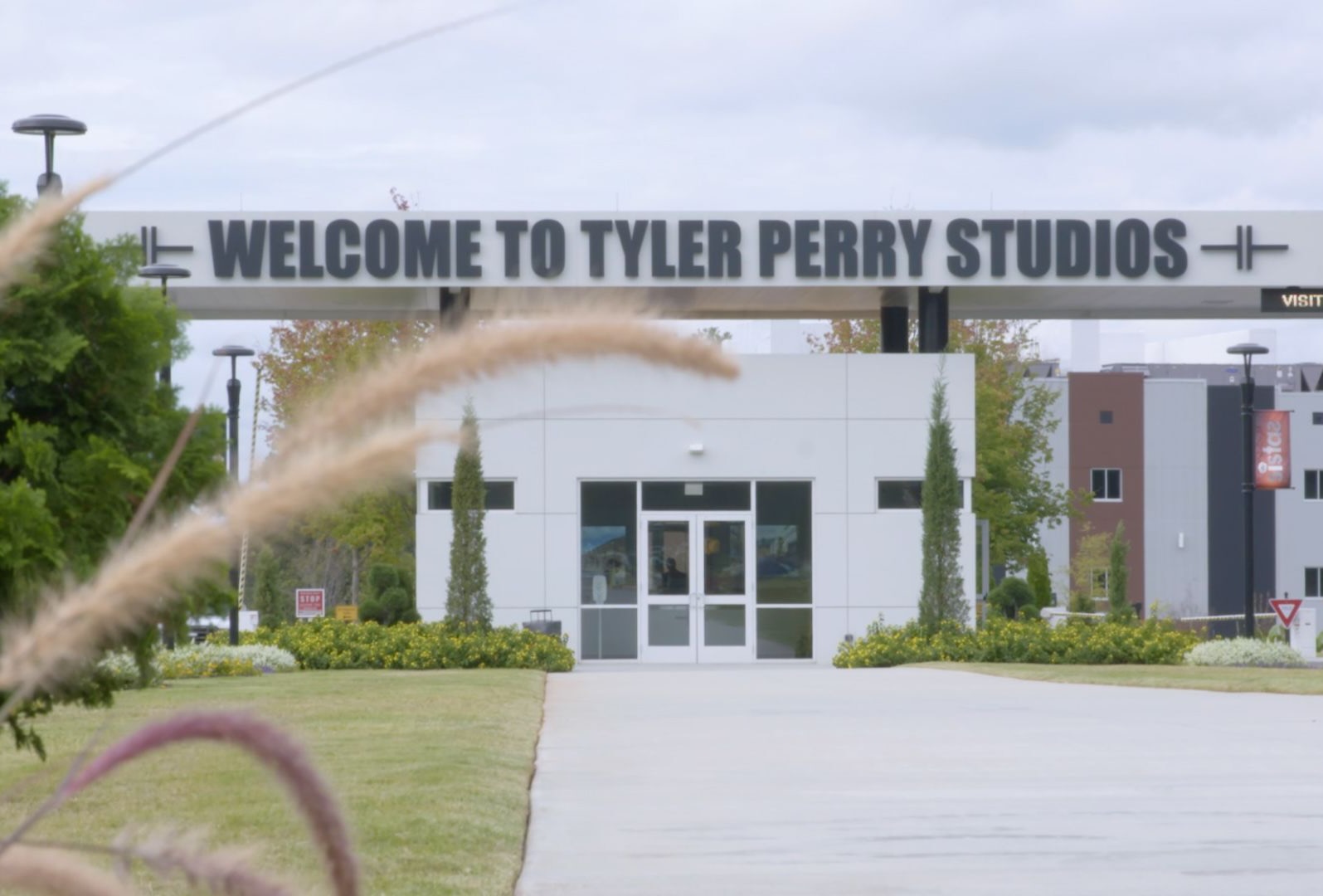
Photo: CNN
The economics of a production studio are an audacious paradox: they operate like a high-risk venture capital firm mixed with a specialized manufacturing plant, all while being fueled by a star's star power and protected by multiple lines of credit. Studios invest massive amounts of upfront capital into intellectual property (IP) and physical production, hoping a few massive hits—the tentpoles—will cover the catastrophic losses of multiple failed projects. This is the risky, high-stakes reality of owning a production company.
The financial blueprint of a production studio breaks down into distinct structures for financing, expenses, and revenue generation. Understanding these mechanics is crucial to grasping why the industry behaves the way it does, from greenlighting a $200 million sequel to betting the farm on an untested auteur director.
The Financial Blueprint: Capital, Costs, and the Revenue Waterfall
Studios rarely fund projects entirely with their own cash to avoid catastrophic losses. They stitch together funding using a patchwork of financial instruments. Studio Equity and Slate Financing involve major studios pooling internal cash or partnering with private equity firms to fund a slate of 5 to 10 films, spreading the risk across multiple genres. They also engage in Pre-Sales and Minimum Guarantees (MG), selling distribution rights to foreign territories or streaming platforms before the project is finished, using those contracts as collateral to secure bank loans. Finally, Tax Incentives and Rebates are a critical lifeline; governments worldwide subsidize filming to boost local economies, allowing studios to recoup 15% to 35% of production costs by building legal entities in specific states or countries.
The cost structure, or outflow, is starkly divided. The Production Budget (or Negative Cost) covers everything to physically deliver the final film. This is split between Above-the-Line costs (highly paid writers, directors, and star talent) and Below-the-Line costs (technical crew wages, visual effects, set construction, and equipment rentals). Then there's the P&A (Prints and Advertising) budget, a completely separate financial beast managed by distributors. For major blockbusters, marketing costs frequently match or exceed the actual physical production budget.
Why Actors Are Worth Every Penny
This is where the true economic value of an actor becomes clear. Star talent acts as a financial insurance policy for studios. While high-caliber acting drives the creative success of a project, the real business value lies in mitigating extreme financial risks. Actors influence studio economics across several critical dimensions.
- Greenlight Ability: Securing financing requires convincing risk-averse investors. Independent studios routinely sell foreign distribution rights based on a poster and an attached A-list lead actor, using historical box office metrics to model revenue.
- Global Marketing Multipliers: As marketing costs (P&A) scale past $100 million, stars serve as built-in promotional engines. Their social media followings and earned media coverage generate free global press worth tens of millions in equivalent ad spend.
- Mitigating Revenue Waterfall Risk: Because theaters take up to 50% of box office sales, a recognizable actor provides brand recognition, convincing audiences to pay premium prices on opening weekend and ensuring a predictable floor for revenue, lowering the risk of a total write-off.
To balance the skyrocketing costs of top-tier talent, studios use complex backend compensation models. Elite stars may negotiate first-dollar gross, a percentage of total revenue before the studio deducts its costs. Alternatively, studios offer lower upfront salaries in exchange for massive percentage points of the net profits or downstream streaming bonuses, aligning the actor's financial success with the studio's profitability.
The Necessity of Multiple Lines of Credit
Multiple lines of credit are the ultimate financial safety net that allows a studio to weaponize its star talent and manage volatile cash flows. In an industry where expenses are immediate but revenues are delayed, revolving credit facilities are a mandatory cost of doing business.
Studios deploy these to bridge the A-List timing gap, using bridge lines of credit to pay massive upfront salaries while waiting for foreign pre-sales cash to arrive. They isolate risk via Corporate Silos, creating Single-Purpose Entities (SPEs) for each project so a failure doesn't bankrupt the parent studio. They smooth out Seasonal Cash Volatility with massive revolving credit lines to cover overhead during box office droughts. Finally, they use credit to maximize Government Tax Rebates, borrowing against the official tax credit approval letter to get immediate liquidity.
The Cost of Time: Why Delays Are Catastrophic
In film production, time is literally money because fixed costs never stop ticking, even when cameras stop rolling. When a production is delayed, the variable costs might drop, but the massive fixed overhead burns through cash every second.
A delay triggers a financial crisis through a relentless burn rate of $50,000 to over $250,000 per day for location rentals, heavy equipment leases, and key crew retainers. It also creates a domino effect with Star Scheduling, where a delay forces the studio to pay an exorbitant penalty to buy more of an actor's time. Compounding Interest Accumulation on those lines of credit eats directly into future profits, and a delay can cause a Marketing Collision, wasting millions in early ad spend if the film misses its release window. To protect against this, financiers force studios to buy a Completion Bond—a specialized insurance policy where a guarantor can infuse cash and, in extreme cases, take over production to protect the bank's investment.
The Ultimate Asset: Intellectual Property
Intellectual Property (IP) is the ultimate economic engine of a modern production studio. While individual films or actors provide short-term cash injections, a studio's IP library represents its permanent foundational wealth. In the modern media landscape, studios don't just sell single movies; they monetize reusable fictional universes. The cost structure of media shifts drastically once a piece of IP is created. The initial hustle costs $200 million, but once established, creating merchandise, video game licenses, and digital streaming copies has virtually zero marginal cost, yielding incredibly high margins.
The Anti-Hollywood: Tyler Perry's Economic Model
Tyler Perry's economic model is a masterclass in hyper-efficiency, radical vertical integration, and 100% intellectual property ownership. While the traditional studio model spreads risk across dozens of external actors and investors, Perry acts as his own studio, talent, and landlord. As a result, his personal net worth stands at an estimated $1.4 billion.
Perry's strategy is built on 100% IP Ownership; he writes, directs, and produces his own shows and movies, maintaining complete control over his master content libraries. He leverages Radical Production Efficiency, treating production like an optimized assembly line to drive down costs—famously shooting entire television seasons in under two weeks. The 330-acre Tyler Perry Studios serves as a massive economic multiplier, where his production budgets loop back into his own ecosystem, and he rents out his 12 soundstages to rivals. Finally, he secures Guaranteed-Profit Content Deals. Perry completely cashed out on his digital infrastructure equity when Paramount Skydance officially bought out his 25% ownership stake in BET+.
While Perry walked away with a massive cash payout worth tens of millions from the equity sale, his ongoing revenue streams remain ironclad through a massive multi-year overall programming extension that runs through 2028. Under this nine-figure deal, he continues to operate as a high-volume content factory, delivering hundreds of new episodes directly to BET and Paramount+ while eliminating personal exposure to streaming app subscriber churn.
No Ads. By Us. For Us.
This article was made possible by readers like you. We hope it inspired you to support Emerald Book, so we can continue producing content like this.
We will never show you ads, sell your data, or require a subscription to consume our content. Your gift helps us keep the truth accessible.
Click the Support button to give a gift of any amount today.
Thank you for making this work possible.