

Emerald Pages
◆
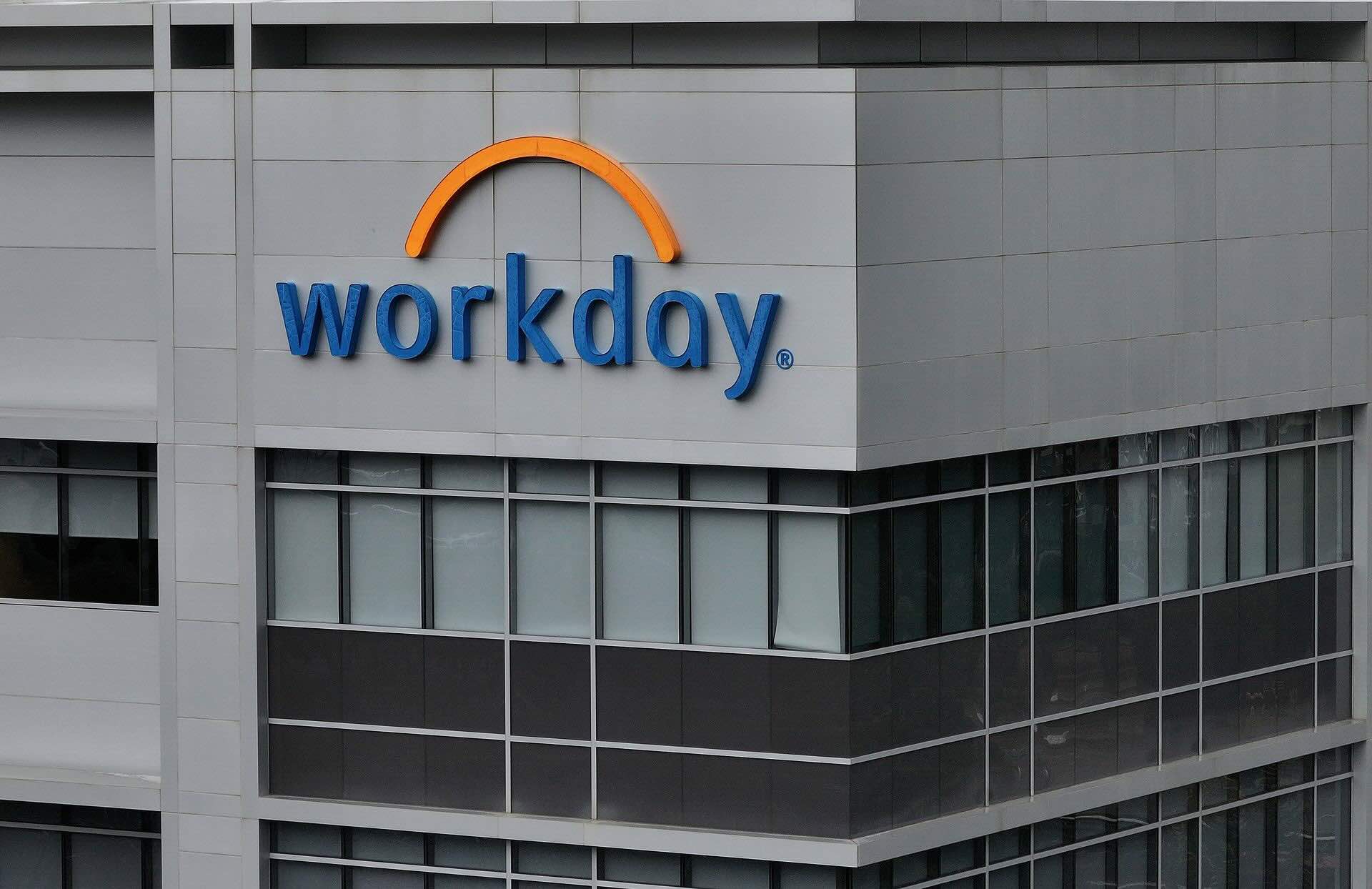
Photo: Justin Sullivan | Getty Images
For millions of job seekers, the ritual is painfully familiar: you spend hours perfecting a beautifully formatted resume, upload it to a company's career portal, and then—defying all logic—you are immediately confronted with a dozen blank text boxes demanding you type the same information all over again. It feels like a cruel test of patience, a relic of a bygone era. Yet, this double data-entry process is a deliberate and highly strategic design choice, one that has become the central evidence in a groundbreaking class-action lawsuit against the human resources software giant, Workday.
The answer to why this redundancy exists is not a technical failure, but a profound difference in purpose. The system is not asking you for the same information; it is asking you for two completely different types of assets. By forcing you to perform the translation, Workday ensures it possesses both a clean, searchable database for its automated software filters and a visually appealing document for human review. This dual-purpose architecture, however, has become the foundation for allegations of systemic algorithmic discrimination.
The Two Parallel Realities of a Job Application
To understand the madness, you must first see the application through the eyes of the system. The process serves two distinct masters, each requiring a different language.
1. Database Standardization (The Online Form): A resume is an unstructured form of data. It features unique fonts, multi-column layouts, graphics, and custom date formats. An Applicant Tracking System (ATS) like Workday cannot effectively read this chaos. The online form exists to map your details into uniform, structured database blocks. This standardization allows recruiters to execute precise Boolean searches, filter candidates by exact job titles or geographic regions, and run clean data analytics on their talent pool. It turns the poetry of a career into a searchable spreadsheet.
2. Human Presentation (The Upload): Once a candidate passes the initial automated screening filters, the baton is passed to a human. Recruiters and hiring managers want to review a beautifully styled, contextual narrative of your career. The plain text blocks from an ATS form often look sloppy, misconstrued, or heavily truncated. The original PDF or Word file preserves your professional formatting, allowing a person to connect the dots of your experience in a way that code cannot.
The Imperfection of AI Parsing
It's tempting to ask, "Why can't the software just read my resume and do this itself?" The answer lies in the limitations of AI. Workday does attempt to read your uploaded resume and autofill the form via text-extraction models. However, if your resume contains columns, complex tables, text boxes, or uncommon date formats, the parser struggles to map the sections confidently.
The parser is no smart. It needs the form as a safety validation layer, requiring you to manually review, correct, and finalize data gaps. So, the form acts as a safety net, ensuring that the algorithm receives flawless data—even if it means hours of manual labor for the applicant.
- Security & Compliance: The structured data is used to build permanent candidate profiles for HRIS (Human Resource Information Systems), crucial for equal-opportunity reporting and background audits.
- Long-Term Profiles: This data isn't just for one job; it's stored to create a historical profile of every applicant, which can be used for future screenings.
- Data as a Product: The uniform text blocks are the fuel for the algorithm, enabling it to process hundreds of thousands of applications instantly.
The Lawsuit: When the Form Becomes a Filter
This brings us to the heart of the legal conflict. The landmark class-action lawsuit, originally brought by plaintiff Derek Mobley, argues that Workday is not just a neutral software vendor but an active "gatekeeper." The lawsuit specifically targets the tools that analyze the structured data you type into the forms, not the resume you upload.
The core of the claim is that the system uses this perfectly standardized data to automate rejection, creating a "disparate impact" on protected classes. The plaintiffs argue that Workday’s algorithms evaluate variables that act as hidden proxies for protected traits:
- Employment Gaps: The software automatically penalizes or downgrades applications with gaps in the timeline. The suit notes this "neutral" field acts as a proxy that systematically filters out people with medical disabilities or chronic illnesses.
- Graduation & Job Timelines: You don't have to provide your birth date. An algorithm can calculate total years of experience or look at college graduation years. If the number exceeds a pre-set threshold, it can trigger a quiet rejection, automatically weeding out older applicants.
- Semantic Keyword Matching: The Candidate Skills Match engine converts your typed descriptions into algorithmic points. If a company uses coded language (like "energetic" for a young work environment), the AI may interpret a history of long-term leadership as a mismatch, assuming you are "too senior."
The Core Conflict: Text Data vs. Identity
This is why the legal battle is so groundbreaking. Workday defends itself by stating its tools only evaluate objective qualifications, not traits like race or age. However, the lawsuit claims that raw text data fields inherently inherit human bias based on how the machine learning model was trained. When an algorithm evaluates plain data blocks, it treats human careers purely as mathematical equations—turning systemic inequalities into invisible filtering criteria before a person ever reviews the file.
The double input requirement is the mechanism that enables this. By forcing you to translate your life into their rigid format, Workday creates the exact data environment needed to automate rejection at scale. The lawsuit argues that if you only uploaded a resume, the software wouldn't be able to "score" you as effectively. The manual form is the key that unlocks the algorithmic gatekeeper.
No Ads. By Us. For Us.
This article was made possible by readers like you. We hope it inspired you to support Emerald Book, so we can continue producing content like this.
We will never show you ads, sell your data, or require a subscription to consume our content. Your gift helps us keep the truth accessible.
Click the Support button to give a gift of any amount today.
Thank you for making this work possible.