

Emerald Pages
◆
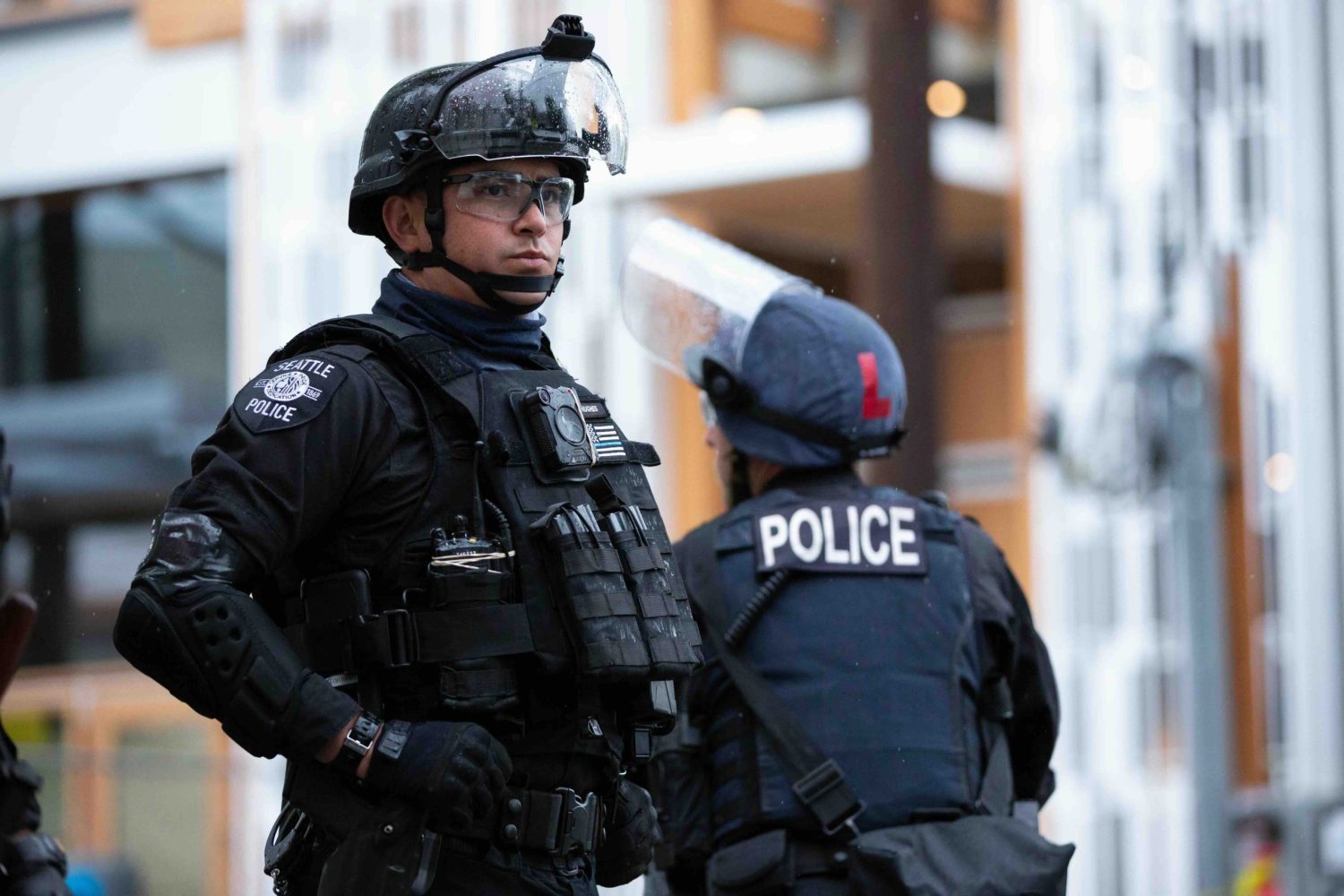
Photo: Federal Bureau of Investigation
For a generation, Americans have been living through a remarkable period of declining violence. Since peaking in the early 1990s, the national murder rate has plummeted to near-historic lows, with preliminary FBI data showing an 18.1% drop in homicides from 2024 to 2025 alone. This "Great Crime Decline" is one of the most significant social shifts in modern history. Yet, even as communities have become safer, a parallel and deeply troubling trend has emerged: the rate at which police officers use deadly force has not only failed to decrease, it has steadily risen.
This paradox forms the crux of a disturbing new body of research. According to a comprehensive study published in July 2026 in the Journal of the American Medical Association (JAMA), which analyzed CDC mortality data over a 20-year span, adult deaths caused by law enforcement more than doubled between 2003 and 2024. This long-term rise has been further documented by independent trackers like Mapping Police Violence, which reported that 2024 was the deadliest year on record, with at least 1,365 people killed.
What makes this trend even more bewildering is that it is occurring against a backdrop of fewer total interactions between police and the public. The Bureau of Justice Statistics reports that the percentage of U.S. residents who had face-to-face contact with police dropped from around 26% to roughly 21% over a multi-year period, representing the fewest annual interactions since 2008.
A Deadlier Encounter
Because the total number of interactions has fallen while the number of killings has risen, the statistical "lethality rate" of a police encounter has increased. A person pulled over for a broken taillight or encountered during a mental health crisis today is statistically more likely to be killed than they were a decade ago. This data challenges the common assumption that police violence is a direct result of high crime rates. In fact, the research indicates these trends operate on separate tracks entirely.
According to data tracked by Mapping Police Violence, only about 1 in 3 fatal police encounters begin with an allegation of a violent crime. The remaining two-thirds start with routine, non-violent situations: traffic stops for minor infractions, responses to mental health crises, property disputes, or cases where no crime was initially alleged. This means that police are increasingly using lethal force in situations that were, at their outset, low-threat.
Why Are Interactions More Lethal?
Criminal justice researchers point to several structural reasons for this rise in violence, moving beyond the simple narrative of "more crime equals more police shootings."
- Increased Officer Fear and Gun Prevalence: A massive surge in civilian gun ownership means officers often assume everyone they stop is armed. This hyper-vigilance can cause them to bypass de-escalation tactics and resort to deadly force more quickly, perceiving threats where minimal danger exists.
- A Shift Away From Accountability: While national protests in 2020 sparked a wave of reform promises, data shows that in many suburban and rural areas, local politicians actively blocked or rolled back police accountability policies. This gives officers less incentive to de-escalate dangerous situations.
- Gaps in Mental Health Infrastructure: As local governments have underfunded social safety nets and mental healthcare, armed police have become the default response for crises they are not trained to handle. Data shows that about 1 in 5 people killed by police exhibit signs of mental illness, facing a death rate nearly seven times higher than those who are not in crisis.
Who Are the Most Lethal Cops?
When researchers look at who the most lethal cops are, they do not focus on individual names. Instead, they look at specific geographic locations and the types of police forces where fatal encounters happen most frequently. Because there is no national registry tracking individual officer names, data groups like Mapping Police Violence and public health organizations track lethality by states, cities, and demographics to see where the risk is highest.
1. The Most Lethal States (Per Capita)
When measuring by population size (the number of police killings per million residents), smaller or more rural states actually outrank massive states like California or Texas. According to data tracked through Security.org's Police Brutality Report, the states with the highest rates of police killings are:
- Alaska: Led the entire nation with 13.6 deaths per million residents. Police killings in Alaska have risen substantially over the last decade.
- New Mexico: Consistently ranks at or near the top, tracking at 12.8 deaths per million residents.
- Oklahoma: Surged dramatically by 55% year-over-year, reaching a rate of 7.8 deaths per million residents.
- Arizona: Ranks among the highest in the Southwest with a rate of 8.0 deaths per million residents.
By contrast, Rhode Island recorded zero police killings during the same period.
2. The Most Lethal Cities
Among mid-to-large American cities with more than 100,000 residents, certain police departments use deadly force at much higher rates than others. The Mapping Police Violence City Tool identifies the following cities as having the highest population-adjusted rates of police killings:
- Pueblo, Colorado
- Orlando, Florida
- Albuquerque, New Mexico
- St. Louis, Missouri
- Tulsa, Oklahoma
A study published in PubMed Central (PMC) calculated that the deadliest local police departments in the U.S. kill civilians nearly 7 times more frequently than the least deadly departments, even when adjusting for local crime risks.
3. The Most Lethal Regions
Geographically, the American West and Southwest see the highest overall rates of fatal police encounters. Criminologists note that these regions often combine high rates of civilian gun ownership with expansive, suburban, or rural jurisdictions where police accountability reforms face heavy local political pushback.
4. Who Faces the Most Danger?
The lethal outcomes of these encounters are heavily concentrated among specific demographic groups:
- Gender: Men account for 94% of all people killed by law enforcement.
- Age: Adults between the ages of 30 and 44 make up the highest-risk age group, accounting for 41% of deaths.
- Race: Black Americans make up only 12% of the total U.S. population but account for 24% of all people killed by police—meaning they are killed at nearly three times the rate of white people.
The research also reveals stark geographic and racial disparities. A New York Times study found that while fatal police shootings fell by 15% in more Democratic-leaning states, they rose by 23% in Republican-leaning states. Furthermore, despite shifting crime rates, persistent racial disparities remain unchanged: Black Americans are nearly three times more likely to be killed by police than white Americans, with young Black men facing the highest rates.
The paradox is clear: Americans are safer from crime than they have been in a generation, and they are having less contact with police. Yet, a routine encounter with law enforcement has become deadlier. This new wave of rigorous data, published just in the last few years by public health scientists and independent researchers, forces a critical re-evaluation of how and why police use force in modern America.
No Ads. By Us. For Us.
This article was made possible by readers like you. We hope it inspired you to support Emerald Book, so we can continue producing content like this.
We will never show you ads, sell your data, or require a subscription to consume our content. Your gift helps us keep the truth accessible.
Click the Support button to give a gift of any amount today.
Thank you for making this work possible.