

Emerald Pages
◆
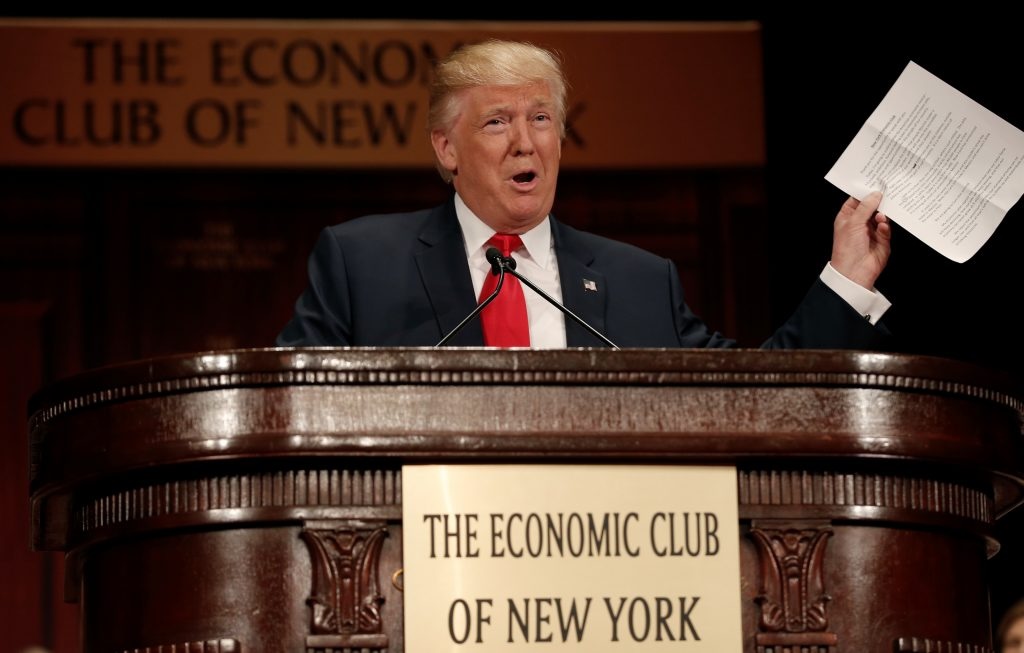
Photo: Mike Segar | Reuters
In June 2026, President Donald Trump stood before cameras at his New Jersey golf club and declared that minority workers "just set a new record for jobs." The only problem? The Bureau of Labor Statistics data told a very different story. Black unemployment sat at 6.6% — nearly double the white unemployment rate of 3.6% — and had been climbing steadily since the moment Trump took office for his second term.
The disparity is not just a statistical quirk. It represents a profound and widening economic divide that has accelerated under the current administration. When Trump was sworn into office in January 2025, Black unemployment stood at 6.2%. Rather than improving, it immediately began a severe upward climb, officially peaking at an alarming 8.2% in the fall of 2025. While Black joblessness surged, the white unemployment rate barely moved, remaining stable between 3.6% and 3.7%.
A Washington Post data analysis found that during the first half of 2026, the average gap between white and Black unemployment grew 11% larger than it was during the exact same period the previous year. The gap is not just stagnant — it is actively widening. And yet, Trump has stopped mentioning specific Black unemployment numbers in his speeches altogether, choosing instead to focus only on broader, positive economic indicators.
The Spike That Started on Day One
The numbers show a clear and sudden increase in joblessness for Black workers since early 2025. Labor experts point out that this sudden spike was not a normal economic coincidence. Analysts at the Economic Policy Institute noted that the speed and drama of this rise point directly to the administration's immediate policy shifts.
Specifically, Trump's day-one initiatives to downsize federal agencies heavily eliminated jobs for college-educated Black women, while sweeping corporate rollbacks on workplace diversity goals severely slowed down hiring for Black men. Historically, the federal government has been one of the largest and most stable employers for Black Americans, particularly college-educated Black women. Massive cuts and layoffs within federal agencies over the past year have disproportionately eliminated jobs held by Black workers.
A Pattern of Downplaying and Deflection
Throughout the summer of 2026, Trump has repeatedly downplayed or misstated the reality of Black employment data. During a speech to farmers in Wisconsin in June, Trump cheered a federal jobs report and falsely claimed that the African American unemployment rate was doing "better than it's ever done." At the time, Black unemployment sat at 7.3% — the actual record low was 4.8%, set in 2023 under the Biden administration.
When the Bureau of Labor Statistics released its June 2026 data showing Black unemployment stuck at 6.6% while white unemployment remained at 3.6%, Trump hosted a press conference and boasted that minorities "just set a new record for jobs." Economists noted that Trump glossed over the fact that Black unemployment was significantly higher than the national average of 4.2% and the white unemployment rate.
- Black unemployment spiked from 6.2% to 8.2% immediately after Trump took office in January 2025
- Current Black unemployment stands at 6.6% — nearly double the white rate of 3.6%
- The racial employment gap grew 11% larger during the first half of 2026 compared to the previous year
- Black workers lost 29,000 jobs in the most recent reporting period alone
- Trump stopped mentioning specific Black labor stats after the spike, shifting to generic "record jobs" claims
The Rhetoric vs. The Reality
Trump and his supporters consistently point to his policy record, highlighting actions from his first and second terms such as funding for Historically Black Colleges and Universities (HBCUs), the creation of "Opportunity Zones" to spur private investment in distressed neighborhoods, and bipartisan criminal justice reform through the First Step Act.
But critics argue these achievements are being overshadowed — and undone — by policies that are actively harming Black workers. The administration's push to dismantle Diversity, Equity, and Inclusion (DEI) initiatives across both the public and private sectors has slowed equitable hiring practices. According to labor analysts at the Economic Policy Institute, the loss of these corporate and government accountability programs has created steeper hurdles for Black workers getting hired.
Research groups like the Joint Center for Political and Economic Studies warn that a 6.6% unemployment rate would be treated as an absolute national crisis or economic recession if it affected the general public, but it is routinely ignored or normalized when it specifically impacts Black Americans.
A Year of Stagnation, Not Progress
The newest federal data proves that Black unemployment remains deeply elevated. According to the Bureau of Labor Statistics report, Black unemployment showed absolutely no improvement, remaining stubbornly stuck at 6.6%. The number of working Black Americans dropped by another 29,000 workers, proving that the community is continuing to lose job opportunities rather than gaining them.
This reality is why critics argue that Trump's positive economic speeches completely ignore the tangible, negative shifts Black communities have experienced under his policies over the past year. Civil rights organizations argue that by loudly cheering for generic, positive national numbers, the White House is trying to sweep the reality of a frozen, elevated Black unemployment rate completely under the rug.
The data is clear: Black unemployment skyrocketed the moment Trump took office, it remains stubbornly high, and the racial gap has widened. Meanwhile, the president's rhetoric has shifted from specific promises to vague celebrations of broad economic indicators that don't reflect the lived reality of millions of Black workers.
No Ads. By Us. For Us.
This article was made possible by readers like you. We hope it inspired you to support Emerald Book, so we can continue producing content like this.
We will never show you ads, sell your data, or require a subscription to consume our content. Your gift helps us keep the truth accessible.
Click the Support button to give a gift of any amount today.
Thank you for making this work possible.